

Archive · 19 May 2025
Kabul Facing Looming Water Crisis Due to Urbanization and Climate Change
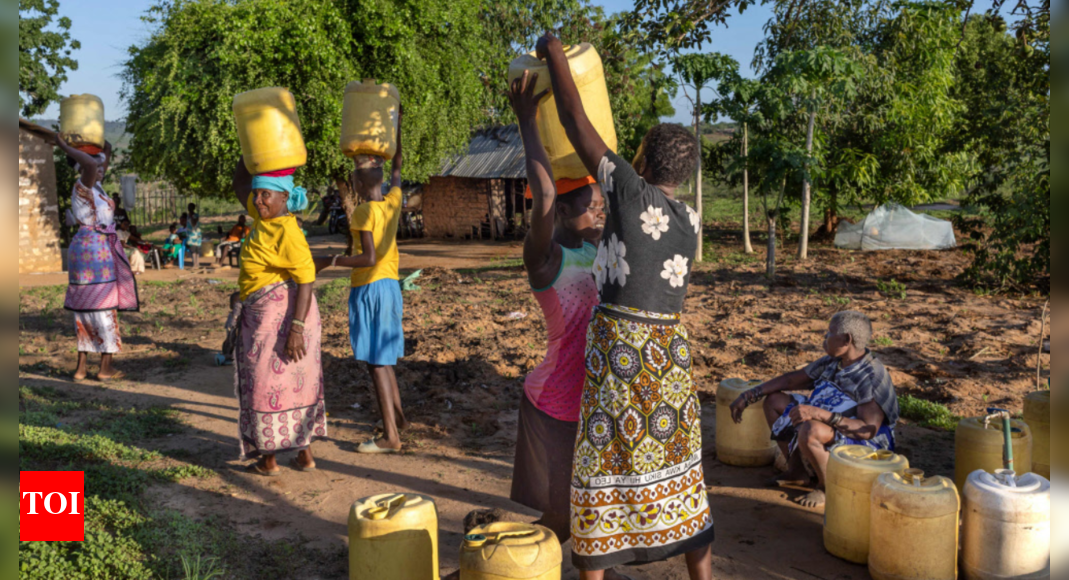
Kabul, the capital of Afghanistan, is running out of water because of rapid growth, bad planning, and less rain due to climate change.
Many people, like Bibi Jan, have to carefully manage water use, even choosing between food and water.
Experts warn of a possible severe water shortage by 2030 if action isn't taken.
The city's water comes mainly from underground sources, but these are being used up faster than they can be replaced.
The government is trying to build dams and recycle water, but faces challenges like funding and lack of international recognition.
Many people rely on expensive water from tankers.
If a pump fails it stops water for thousands of households.
Everyone should have water all the time.

Kabul faces a severe water crisis due to rapid urbanization, mismanagement, and climate change.
Groundwater is the primary drinking source, with approximately 80% contaminated.
An estimated 76-million-cubic-meter annual water deficit exists.
The Taliban government has launched water-related projects but faces financial and recognition challenges.
Many residents rely on water from tankers, which is expensive.
- Who
- Residents of Kabul, experts, the Taliban authorities, and international organizations like UNICEF and ICRC are all involved or affected.
- What
- Kabul is facing a severe water shortage, with groundwater depletion and contamination.
- When
- The water crisis is worsening now.
- Where
- Kabul, Afghanistan
- Why
- Due to rapid urbanization, mismanagement, and climate change leading to below-average precipitation.
- Primary Drinking Water Source
- Groundwater (80% contaminated)
- Annual Water Deficit
- 76 million cubic meters (estimated)
- Population Served by Water Systems
- 20% of the city
- Kabul Population
- Around six million
- Water from Panjshir River Project Cost
- $300 to $400 million