

Archive · 30 Jul 2025
Duty-Free Pulse Imports Impact Prices and Acreage
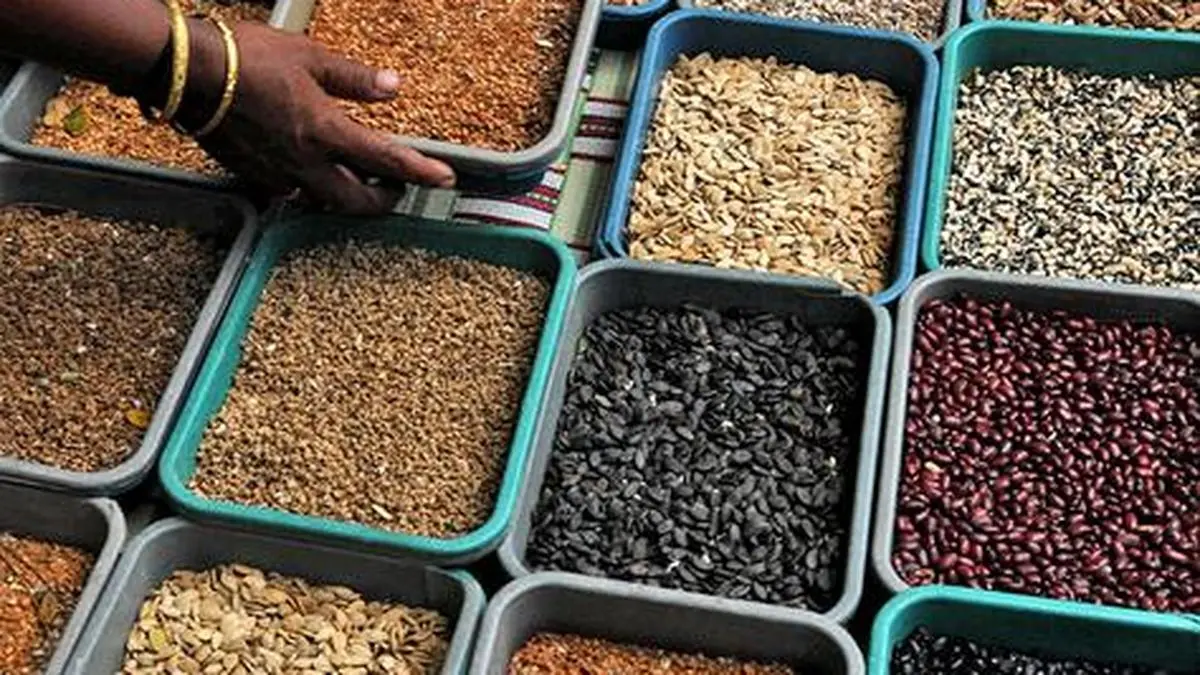
India is letting people bring in pulses, like beans, without paying taxes.
This makes the price of pulses go down.
Even though India grows a lot of pulses, it still buys them from other countries.
Farmers are worried because lower prices might make them grow less of these crops.
Some farmers want the government to stop these cheap imports so they can get better prices for their crops.

Duty-free pulse imports are expected to further decrease pulse prices.
India, the world's largest pulse producer, relies on imports to meet domestic demand.
Yellow peas make up a large portion of the imported pulses.
Pulse prices have decreased, leading to a decline in tur acreage.
Farmers request import restrictions to stabilize prices.
- Who
- The Indian government, farmers, and importers.
- What
- Duty-free pulse imports are impacting pulse prices and acreage.
- When
- The government extended the duty-free import policy to March 2025; the article was published on July 30, 2025.
- Where
- India.
- Why
- To ensure a stable supply in the domestic market and prevent a potential price increase.
Farmers
Government
Impact on Farmers
Farmers
Lower import duties lead to lower prices which discourages local farmers.
Government
The government aims to stabilize prices and ensure supply by allowing imports.
- Duty-free Import Extension
- Until next March
- Last Year's Pulse Imports
- 6.63 million tonnes
- Yellow Pea Import Share
- 45%
- Chana price decrease
- ₹8,000 to ₹6,200 a quintal
- Tur price decrease
- ₹11,000 to ₹6,700 a quintal
- Tur acreage decrease
- 8%