

Archive · 22 Jan 2026
Tharoor Critiques India's Outrage-Driven Media Culture
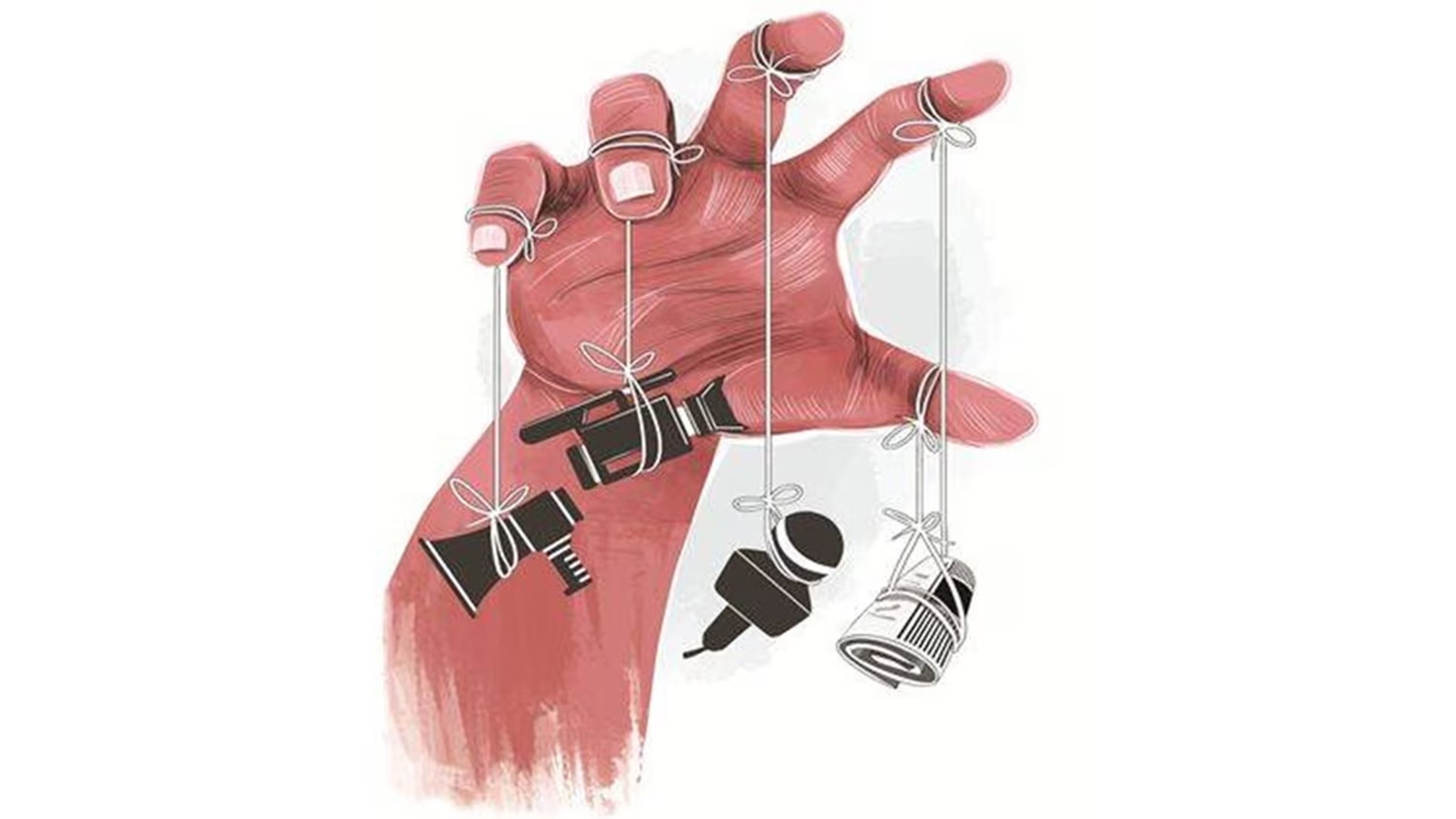
Shashi Tharoor, a member of parliament, wrote about how news on TV and social media has become more about shouting and outrage than about giving real information.
He says this is happening in India and other places.
TV shows have become like fights where people shout instead of having good discussions.
Social media makes this worse by spreading these loud arguments.
Even newspapers, which used to be more serious, are now copying this style.
Tharoor worries that this makes people not trust the news and makes society more divided.
He thinks journalists should go back to giving real, thoughtful information instead of just trying to get attention.
He believes good journalism is important for democracy.

Shashi Tharoor criticizes the 'cable newsification' of media in India, where conflict and outrage dominate over informed discussion.
Television debates in India are likened to gladiatorial contests, prioritizing spectacle over substance.
Social media amplifies this trend, creating a feedback loop of outrage that influences politics and public discourse.
Even print media, once a bastion of sober journalism, is succumbing to sensationalism to remain relevant.
Tharoor warns that this erosion of trust in journalism deepens polarization and undermines democracy.
- Who
- Shashi Tharoor, Member of Parliament for Thiruvananthapuram
- What
- Critique of India's media culture and its impact on democracy
- When
- Recent, as indicated by the context of the article
- Where
- India, with reference to global trends
- Why
- To highlight the erosion of trust in journalism and its consequences on democracy
- Author
- Shashi Tharoor
- Publication
- Financial Times
- Main Critique
- Cable newsification of media
- Impact
- Erosion of trust, deepening polarisation
- Proposed Solution
- Reclaim core journalistic values
- Key Example
- Television debates as gladiatorial contests
- Democracy Concern
- Public fed on spectacle over substance