

Archive · 17 Jun 2025
Magna Carta: Historical Origins and Lasting Legacy
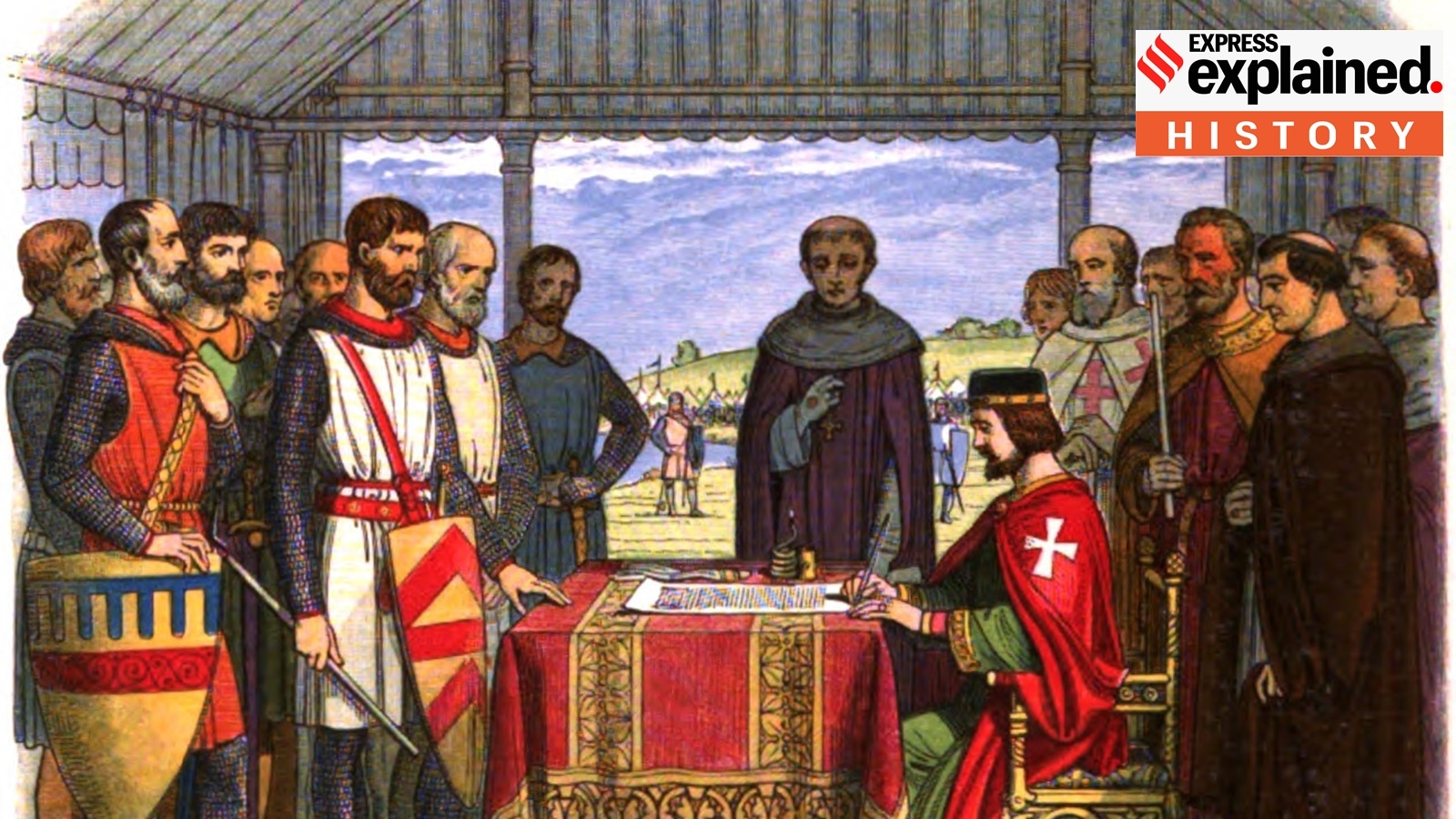
Imagine a king who had too much power and could do whatever he wanted.
That's how it was before Magna Carta.
In 1215, English leaders made the king sign a document that said even he had to follow the law!
This was because the king was losing battles and taxing people a lot.
The document, with famous clauses, said that people couldn't be thrown in jail unfairly and everyone deserved justice.
Though it wasn't perfect, this document helped create the idea that everyone, even kings, must follow rules.
It set an important example later on, like when the US got its own laws.

Magna Carta was signed in 1215 by King John, limiting his power and establishing legal principles.
The document was a response to King John's high taxes and military failures, particularly the loss of lands in France.
Clause 39 of the Magna Carta protected free men from arbitrary arrest and ensured justice.
Despite its limitations, Magna Carta established the rule of law, where the king was subject to it.
The document's influence extended to inspire the American Revolution and shape modern democratic ideals.
- Who
- King John and English barons.
- What
- Magna Carta, a charter limiting King John's powers and establishing legal principles.
- When
- Signed on June 15, 1215.
- Where
- Runnymede Meadows near London.
- Why
- To restrict King John's arbitrary orders and establish that the king was subject to the law.
- Date Signed
- June 15, 1215
- Location
- Runnymede Meadows
- Key Players
- King John, English Barons
- Main Purpose
- Limit the King's Power
- Key Clause
- Clause 39
- Modern Impact
- Basis for concepts such as habeas corpus