46 mins ago
Madhya Pradesh Child Deaths Expose Failures in Last-Mile Healthcare

Thirty-two children died in tribal villages in Madhya Pradesh over a few months.
Some had measles, some had malaria, and some may have had more than one illness.
Poor nutrition and sanitation may have made it easier for children to become very sick.
Some children had not received vaccinations, even though official records suggested coverage was high.
Medical centres were far away, and families often had little transport.
Taking a child for care could also mean losing a day’s pay.
Once the crisis was noticed, medical teams came to villages and helped many people.
The article says health services need to reach families sooner, before a child’s fever becomes dangerous.

Thirty-two children died over a few months in a cluster of tribal villages in Madhya Pradesh.
Some children tested positive for measles, others for malaria, and several appeared to have multiple infections.
The article links children’s vulnerability to malnutrition, poor sanitation and gaps in vaccination.
Distance to medical facilities, scarce transport and lost wages made it harder for families to seek care.
After the crisis was recognised, teams tested children, referred serious cases and organised emergency vaccination.
- Who
- Thirty-two children in a cluster of tribal villages in Madhya Pradesh; affected families and responding health teams.
- What
- Children died amid infections including measles and malaria, prompting an emergency health response.
- Where
- A cluster of tribal villages in Madhya Pradesh, India.
- When
- Over a few months; the article does not give specific dates.
- Why
- The article points to infections compounded by malnutrition, poor sanitation, vaccination gaps and barriers to reaching medical care.
Key facts
- Deaths
- Thirty-two children
- Time period
- A few months; no specific dates are provided
- Location
- A cluster of tribal villages in Madhya Pradesh
- Infections mentioned
- Measles and malaria; several children appeared to have multiple infections
- Barriers to care
- Distant medical facilities, scarce transport and lost income
- Emergency response
- House-to-house testing, referrals for serious cases and emergency vaccination
- Reported response reach
- Thousands received treatment
Sources
Related news

Madhya Pradesh High Court Seeks Response Over Balaghat Child Deaths
Rahul Gandhi Targets Madhya Pradesh Government Over Balaghat Deaths

Congress seeks Madhya Pradesh health minister’s resignation over Balaghat deaths
Rahul Gandhi Raises Balaghat Tribal Crisis, Accuses Madhya Pradesh Government
CJP Visits Balaghat Villages Over More Than 30 Child Deaths
Rahul Gandhi Balaghat Visit Sparks Clash Over Tribal Child Deaths

Four Indore Residents Lose Over ₹6 Lakh to Cyber Frauds
Indore Doctor’s 23-Year Mission to Help End Tuberculosis
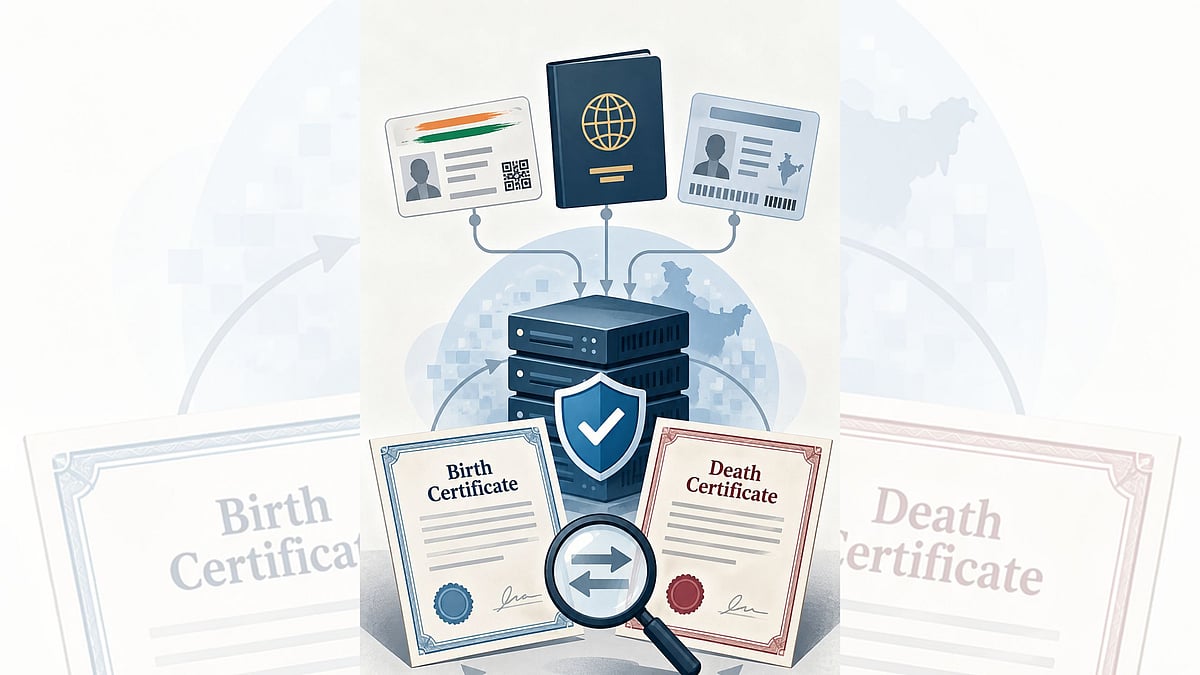
Bhopal Tightens Birth and Death Certificate Rules, Adds Checks
Ujjain’s Simhastha 2028 Makeover Sparks Protests and Urgency