3 hrs ago
Punjab Sikh Politics Needs More Than Jat Leadership
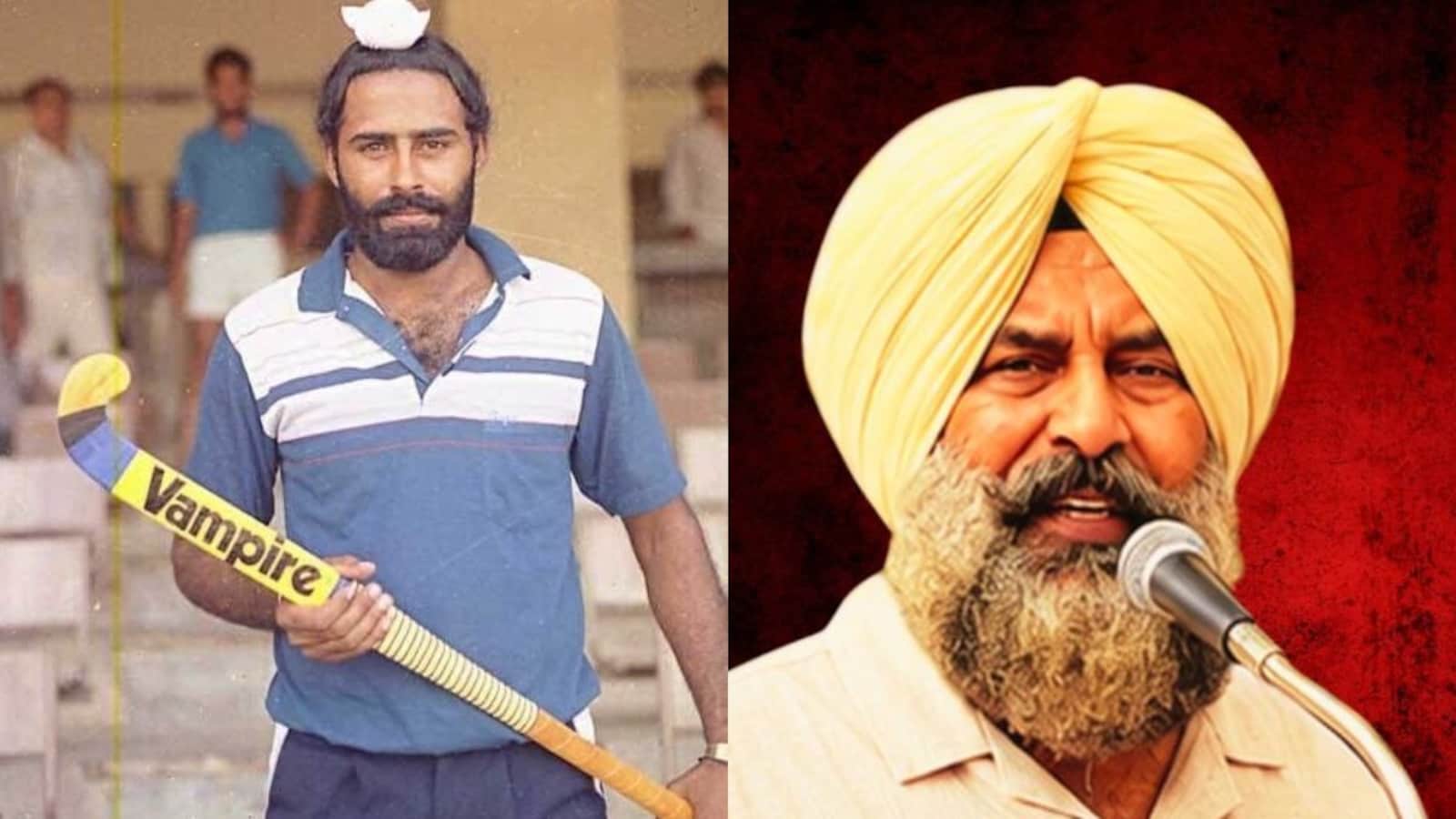
Punjab has many Sikh communities, but the article says the leaders of its biggest political parties are all Jat Sikhs.
It explains that Sikhs in Punjab have different backgrounds, jobs and concerns.
Some Sikh communities are also part of the state's Scheduled Caste population.
The article says there is no precise, up-to-date official count for every Sikh community.
It describes how farming and village institutions helped make rural leaders influential.
Punjab has also changed, with growing roles for cities, businesses, education and other work.
The article says leadership should create more opportunities without pushing Jat Sikhs out.
It suggests checking whether people from different backgrounds are rising into senior roles before the 2027 election.

The article says the major political parties in Punjab are led by Jat Sikh figures.
It argues that Sikh communities beyond Jat Sikhs are socially diverse and should have meaningful paths to political leadership.
Census 2011 recorded Scheduled Castes as 31.94% of Punjab's population; the article notes that this includes Sikhs and Hindus.
Punjab's 2024 Lok Sabha turnout was about 62.8%, compared with 71.95% in the 2022 Assembly election.
The article urges parties to build broader second-line leadership, including people from varied communities and urban backgrounds, ahead of 2027.
- Who
- Punjab's major political parties and the state's diverse Sikh communities.
- What
- An analysis of Jat Sikh prominence in party leadership and calls for wider representation.
- Where
- Punjab, India.
- When
- Ahead of the 2027 Punjab Assembly election; the article also cites the 2022 Assembly and 2024 Lok Sabha elections.
- Why
- The article argues that leadership should better reflect Punjab's varied Sikh communities and changing urban and rural society.
Current leadership pattern
Broader representation
Jat Sikh prominence
Current leadership pattern
The article says Jat Sikh influence has historical and economic roots in agriculture, landownership, village institutions and farmer networks.
Broader representation
It argues that Sikh leadership should also be accessible to people from other Sikh communities and urban backgrounds.
What representation means
Current leadership pattern
Parties balance regions and communities in electoral calculations, and Jat Sikhs remain an important part of Punjab's leadership.
Broader representation
The article says electoral balancing does not necessarily create lasting political empowerment; parties should widen access to senior and second-line roles without displacing existing leaders.
Key facts
- Sikhs in Punjab
- 57.69% of the state's population in the 2011 Census.
- Hindus in Punjab
- Roughly 38.5% of the state's population, according to the figures cited.
- Scheduled Castes
- 31.94% of Punjab's population in the 2011 Census.
- Estimated Jat Sikh share
- Commonly estimated at around 21% of Punjab's total population; the article says there is no contemporary official caste census giving a precise share.
- 2024 Lok Sabha election
- 2,15,67,196 electors; 1,35,42,849 voted, for turnout of about 62.8%.
- 2022 Punjab Assembly election
- Turnout was 71.95%, with more than 1.54 crore people voting.
- Leadership examples
- The article cites Dr Manmohan Singh and Giani Zail Singh as Sikh leaders who rose from outside the dominant Jat Sikh agrarian background.
Quotes
Bhagwant Pal Singh Sachar
Senior Congress leader and Majitha halqa in-charge
“Punjab's politics should not become a contest between one community and another. Every section of society deserves equal political space and representation. Urban Sikhs are not merely a vote bank; they are an important part of Punjab's economic, social, educational and political strength. The real question is how sincerely political parties recognise them, represent them and give them a meaningful role in decision-making.”
 NDTV
NDTV
Sources
Related news
Congress Weighs Punjab Chief Choice Ahead Of 2027 Polls

Punjab Election 2027: AAP Defends Power as Rivals Seek Revival
Pargat Singh's Dissent May Strengthen His Punjab Congress Leadership
Sachin Pilot Takes Charge as Congress Faces Punjab Battle

Akali Dal Stalwart’s Great-Grandson Rantej Singh Powar Joins AAP
Sachin Pilot Takes Punjab Congress Assignment Before 2027 Election
Amit Shah Cancels Scheduled Telangana Visit Over Delhi Engagement
Modi Meets Haryana BJP MLAs for Public Welfare Discussion
Local Bypolls Deliver BJP, AAP and Deori Panchayat Victories

BJP, BVA Clash Over Bolinj Sports Complex Inauguration
INDIA Bloc Plans Jammu and Kashmir Protests From October 7