Archive · 9 Nov 2025
Global Climate Action Falls Short of Paris Agreement Goals Despite Progress
Ten years ago, countries promised to limit global warming.
Now, scientists say the Earth is heating up faster than expected.
Even though we're getting better at using clean energy like solar and wind power, and more people are buying electric cars, we're still not cutting down on pollution quickly enough.
This means the planet is on a path to get much hotter than the safe limit agreed upon.
Extreme weather events, like heatwaves, floods, and wildfires, are becoming more common and worse.
Important places like coral reefs and the Amazon rainforest are in danger.
If we don't make bigger and faster changes to reduce pollution, the world could become too hot for many people and places.

A decade after the Paris Agreement, the world is experiencing faster warming and worsening climate disasters.
Current policies put the planet on track for 2.8°C warming, significantly above the 1.5°C target set in Paris.
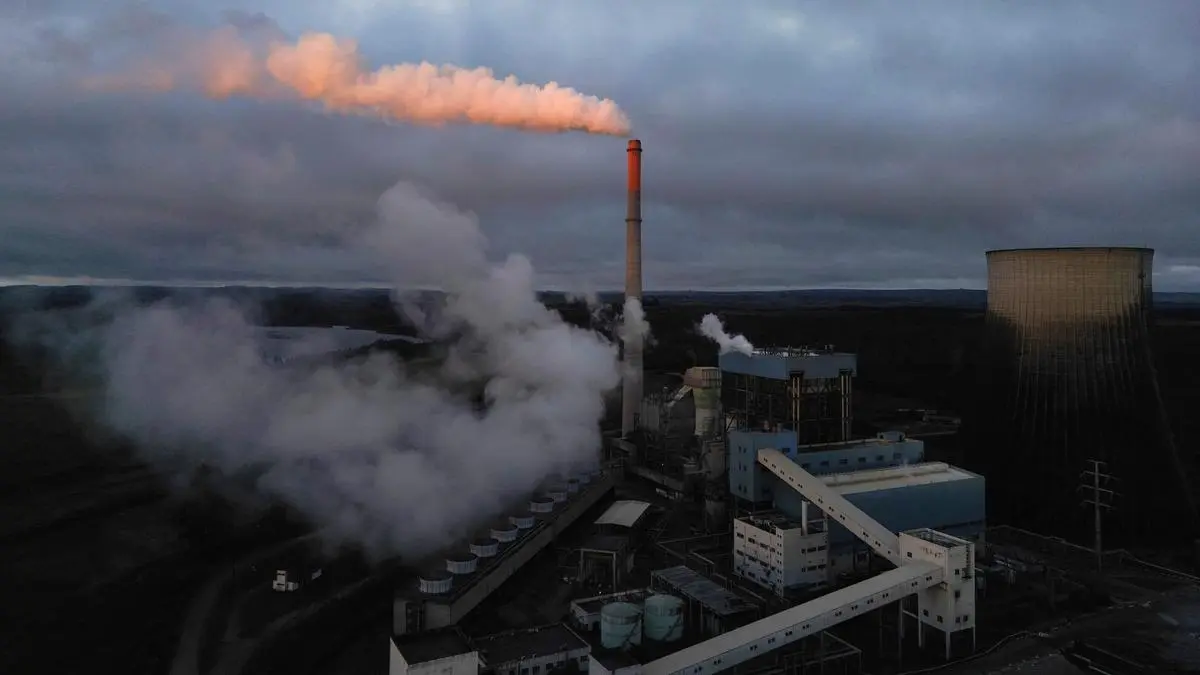
Despite progress in renewable energy and electric vehicles, global emissions continue to rise.
Extreme weather events, ice melt, and sea-level rise have accelerated over the past decade.
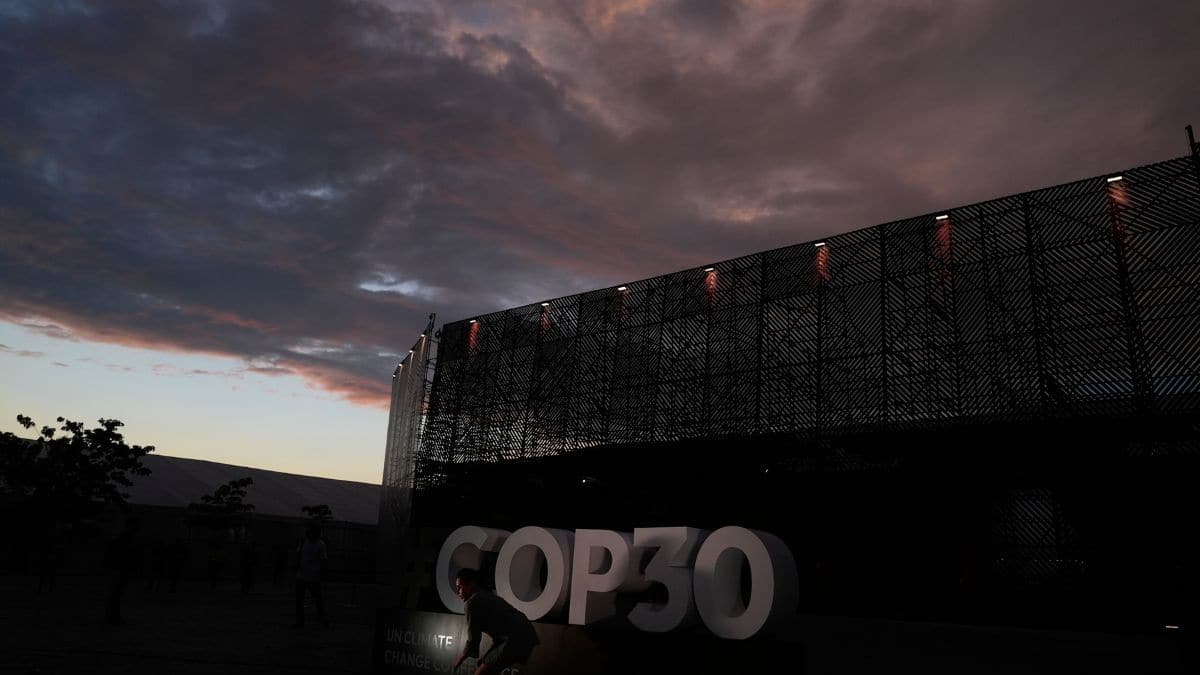
Negotiators are gathering for UN climate talks in Brazil to assess progress and the growing gap between climate goals and actions.
- Who
- Global scientists, diplomats, UN officials (e.g., UNEP Executive Director Inger Andersen, former UN climate chief Christiana Figueres), researchers (e.g., Johan Rockström, Steve Nerem), former US Special Climate Envoy Todd Stern, and international organizations.
- What
- Assessment of progress and failures in climate action ten years after the Paris climate accord, highlighting accelerated warming, worsening disasters, and the widening gap between emissions promises and actions.
- When
- Ten years after the Paris climate accord (2015), with current data and projections indicating the state of global warming and climate action.
- Where
- Globally, with specific mentions of Brazil (upcoming COP30 talks in Belém), Europe, the US, China, India, the Pacific Northwest, Siberia, Hawaii, California, Pakistan, and Australia.
- Why
- To assess if the world is on track to meet the Paris Agreement's goal of limiting global temperature rise to 1.5°C above pre-industrial levels, and to address the inadequacy of current emissions reduction efforts.
Progress in Climate Action
Failure to Meet Climate Goals
Emissions Reduction and Renewable Energy
Progress in Climate Action
Renewable energy has become cheaper and more widespread, with 74% of new global electricity generation coming from renewables last year. Electric vehicle sales surged from 500,000 in 2015 to 17 million in 2024. Decarbonization efforts have reduced projected warming from nearly 4°C to around 2.8°C.
Failure to Meet Climate Goals
Global emissions continue to rise, with methane and carbon dioxide levels increasing since 2015. Current policies put the world on a path to 2.8°C of warming, significantly above the Paris goal of 1.5°C. None of the 35 key decarbonization indicators are on track to meet the 1.5°C target.
Pace of Action vs. Scientific Warnings
Progress in Climate Action
Momentum in climate action has grown since the Paris Agreement, and progress is being made in some areas.
Failure to Meet Climate Goals
The world is failing to curb emissions fast enough, with warming happening faster and more severely than predicted, leading to worsening disasters and self-destructive negligence.
- Global Temperature Increase Since 2015
- About 0.46°C
- Projected Warming with Current Policies
- Around 2.8°C
- Paris Agreement Goal
- Limit global temperature rise to 1.5°C above pre-industrial levels
- Renewable Energy Share in New Generation (Last Year)
- 74%
- Electric Vehicle Sales (2024)
- 17 million
- US Weather Disasters Cost (Past Decade)
- $1.5 trillion
- Sea Level Rise (Past Decade)
- 40 millimeters (1.6 inches)
- Methane Increase Since 2015
- 5.2%
- Carbon Dioxide Increase Since 2015
- 5.8%