

Archive · 29 Jul 2025
Fibremaxxing: The Risks and Rewards of High Fiber Diets
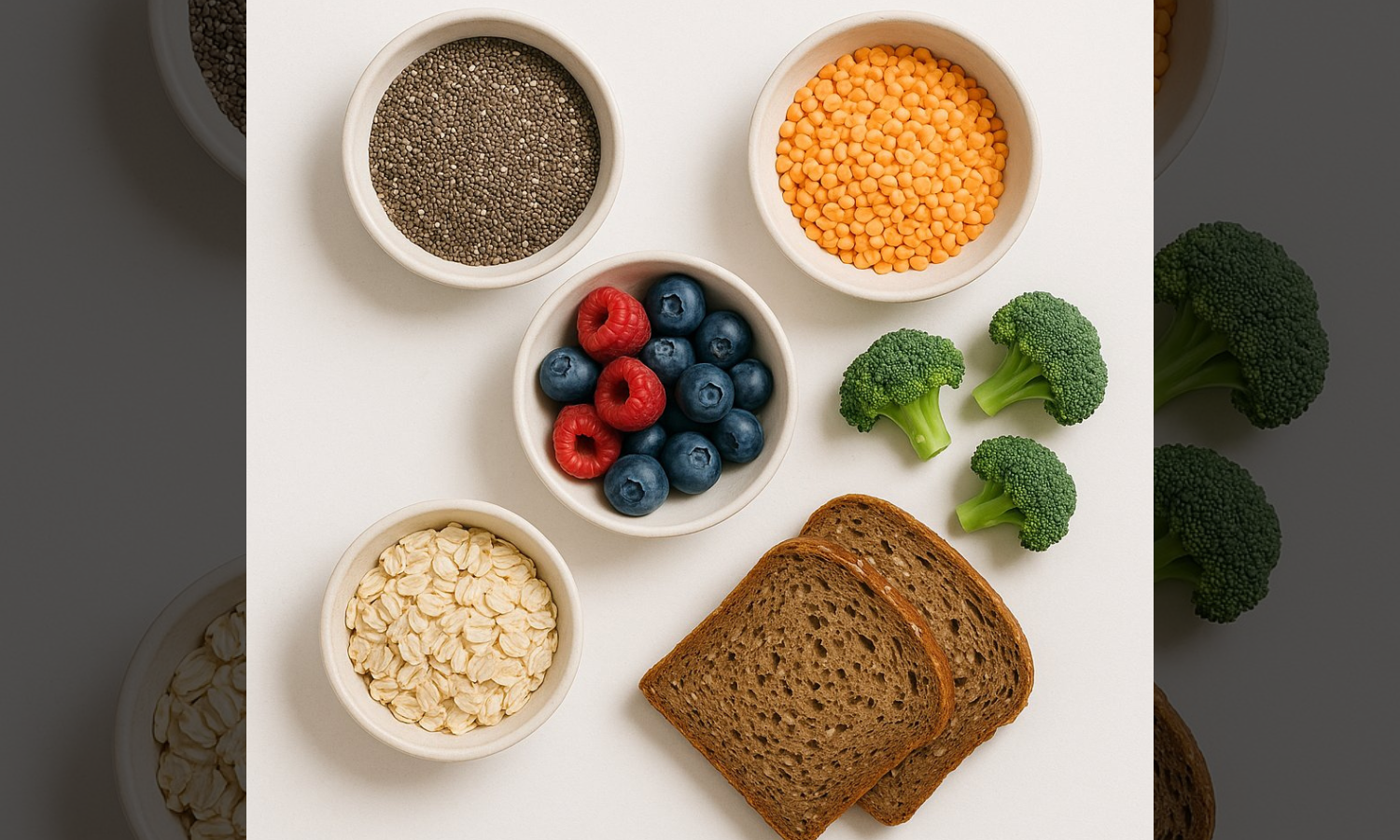
Fibremaxxing is when people eat a lot of fiber to be healthier.
The UK suggests adults have 30g of fiber a day, but many people don't eat enough because they eat too many processed foods.
Fiber is good for you and is best found in natural foods.
However, eating too much fiber too fast can cause problems like stomach aches or block you from absorbing other nutrients.
It's better to increase fiber slowly and to eat a balanced diet.

Fibremaxxing involves consuming excessive fiber for purported health benefits.
UK adults get over 54% of their daily calories from ultra-processed foods, which are low in fiber.
Replacing essential food groups with high-fiber foods carries potential risks.
Eating too much fiber too quickly can lead to bloating, cramping, and constipation.
Fibre intake can interfere with the absorption of essential nutrients, but also offers numerous health benefits.
- Who
- The article focuses on adults in the UK, but it also mentions teenagers.
- What
- Fibremaxxing is the practice of consuming very high amounts of dietary fiber.
- When
- The trend has emerged recently as an online health trend.
- Where
- The article focuses on the UK, and its dietary guidelines.
- Why
- Fibremaxxing is driven by a desire to improve health and wellness, but can be counterproductive.
Potential Dangers
Potential Benefits
Risks vs. Benefits
Potential Dangers
Consuming excessive fiber can cause bloating and cramping and may interfere with nutrient absorption.
Potential Benefits
Gradually increasing fibre intake through a balanced diet offers real health benefits.
- Recommended Daily Fibre Intake (UK Adults)
- At least 30g
- % Calories from Ultra-Processed Foods (UK Adults)
- Over 54%
- Potential Risks of Fibremaxxing
- Bloating, nutrient malabsorption
- Fibre Benefits
- Regulates blood sugar, reduces heart disease risk, aids weight management