

Archive · 20 Aug 2026
Hygiene Becomes Quick Commerce’s New Competitive Advantage in India
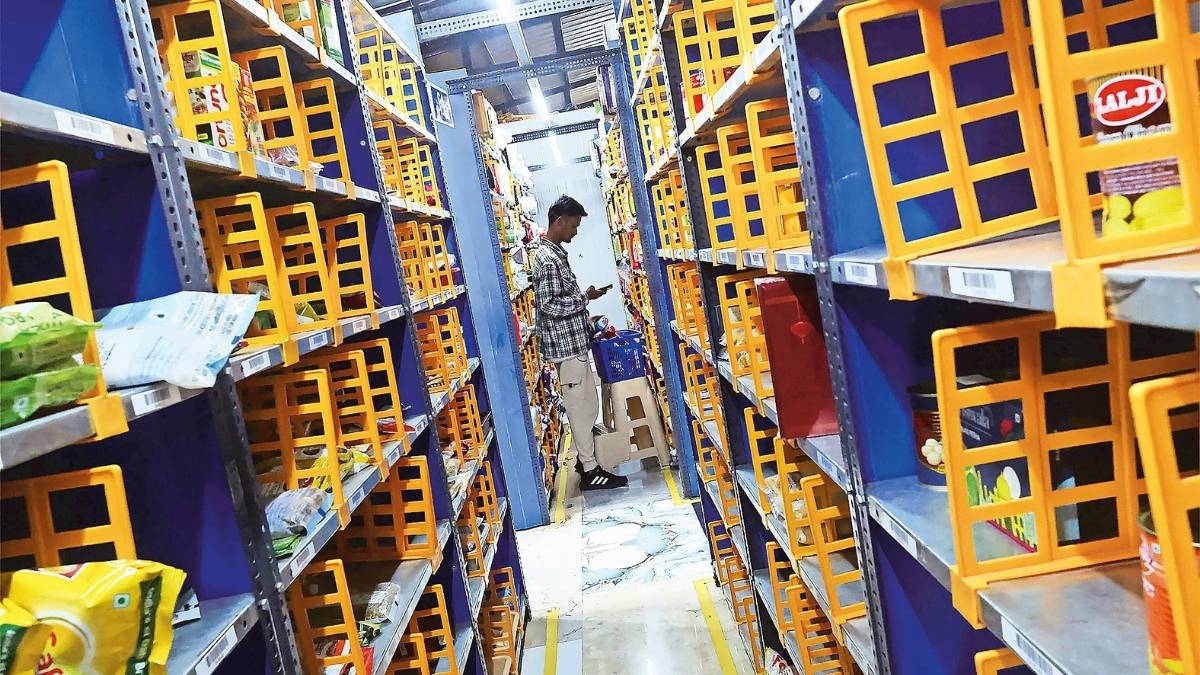
Quick commerce companies deliver groceries and other products very quickly.
People often trust these companies to check products and store them safely.
Maharashtra officials recently found hygiene and safety problems in some dark stores and suspended 14 licences.
A dark store is a warehouse where online orders are collected and packed.
Experts say being fast is no longer enough because many companies can now deliver quickly.
Customers may also want to know how products are stored, checked and handled.
Companies will need better equipment, training and supervision.
If hygiene problems happen repeatedly, customers may lose trust and stop using an app.

Maharashtra’s Food and Drug Administration suspended 14 quick commerce dark-store licences after an August 2026 inspection drive.
The inspections targeted hygiene and safety violations across dark stores in the state.
Experts say speed and product assortment are becoming standard features, making operational trust more important.
Platforms are expected to improve storage, temperature control, handling, monitoring and staff accountability.
The sector faces a shortage of certified food safety supervisors, with demand estimated at 1.3–1.5 million compared with an available pool of 1–1.2 million.
- Who
- The Maharashtra Food and Drug Administration and quick commerce companies operating dark stores.
- What
- Fourteen dark-store licences were suspended following inspections focused on hygiene and safety violations.
- When
- The inspection drive took place in August 2026, with the suspensions described as recent.
- Where
- Across Maharashtra.
- Why
- Because inspectors identified hygiene and safety violations, while experts say stronger standards are needed to protect consumer trust.
- Licences suspended
- 14 quick commerce dark-store licences in Maharashtra
- Inspection focus
- Hygiene and safety violations
- Inspection timing
- August 2026
- Daily sector orders
- More than 9.5 million
- Projected market size
- Expected to reach $40 billion by 2030
- Certified supervisor pool
- An estimated 1–1.2 million active certified food safety supervisors
- Estimated requirement
- Approximately 1.3–1.5 million food safety supervisors