Archive · 30 Jan 2026
Economic Survey 2025-26 Proposes Measures for Health and Digital Wellness

The Economic Survey 2025-26 has suggested some big changes to help fight childhood obesity and digital addiction in India.
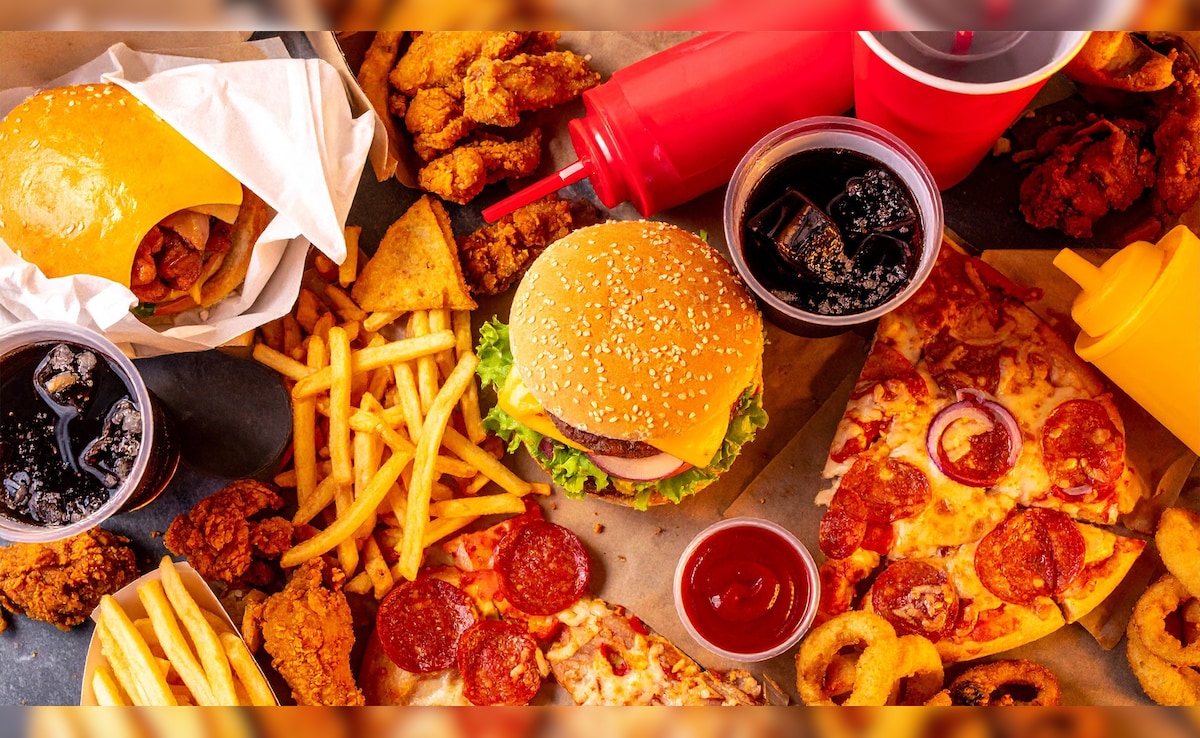
They want to put ultra-processed foods like chips, candy, and soda in the highest tax brackets, which means these foods will cost more money.
They also want to stop these foods from being advertised on TV and other media from 6 am to 11 pm.
The survey says that eating too many of these unhealthy foods is making more kids obese.
Right now, about 3.4% of children under five are obese, and this number is expected to grow a lot by 2035.
The survey thinks that higher taxes and fewer ads can help people eat healthier and stay fit.
Additionally, the survey recommends setting age-based limits on social media to counter digital addiction, which is affecting the mental health and academic performance of young people.
The government suggests that platforms should be responsible for enforcing age verification and age-appropriate defaults.
These measures aim to promote healthier lifestyles and better mental health for India's youth.

Economic Survey 2025-26 proposes higher GST slabs for ultra-processed foods to combat childhood obesity, with rates rising from 2.1% in 2015-16 to 3.4% recently.
Survey recommends a marketing ban on ultra-processed foods between 6 am and 11 pm across all media platforms.
Retail sales of ultra-processed foods in India have increased 40-fold from $0.9 billion in 2006 to $38 billion in 2019.
Survey suggests earmarking revenue from higher taxes for public health initiatives, including improving school meals and funding prevention campaigns for non-communicable diseases.
Economic Survey calls for age-based limits on social media access to counter digital addiction, noting that younger users are more vulnerable to compulsive use and harmful content.
- Who
- Economic Survey 2025-26, World Health Organization (WHO), Government of India
- What
- Proposed higher GST slabs, marketing bans for ultra-processed foods, and age-based limits for social media to combat childhood obesity and digital addiction
- When
- Survey presented on Thursday, 29 January 2026
- Where
- India
- Why
- To address rising childhood obesity rates, non-communicable diseases, and digital addiction among youth
- Childhood obesity rate (2015-16)
- 2.1%
- Childhood obesity rate (recent years)
- 3.4%
- Expected obese children in India by 2035
- 8.3 crore
- Retail sales of ultra-processed foods (2006)
- $0.9 billion
- Retail sales of ultra-processed foods (2019)
- $38 billion
- Growth in ultra-processed foods sales (2009-2023)
- 150%
- Obesity rates doubling period
- Same period as ultra-processed foods sales surge
- Percentage of Indian women (15-49) overweight/obese
- 24%
- Percentage of Indian men (15-49) overweight/obese
- 23%
- Digital economy's share of national income (2022-23)
- 12%
- Projected digital economy's share of national income (2024-25)
- 13%
- Internet connections in India (2024)
- Nearly one billion
- Households with at least one smartphone (2025)
- Over 85%
Sources
Economic survey proposes higher GST slabs for ultra-processed foods to combat childhood obesity

Ban advertising of ultra-processed foods from 6 am-11 pm: Eco Survey

Economic Survey 2026: How India wants to protect its young minds from over-reliance on AI

Govt flags growing digital addiction, mental health crisis in children, youth

Obesity, Diabetes And Digital Addiction Rising In India: Economic Survey 2025-26 Healthcare Insights

Economic Survey calls for age-based limits for social media, urges platforms to impose age-appropriate defaults
Eco survey for age bar for social media access, cutting online classes

Is digital India now a household reality? Here's what Economic Survey reveals

India should consider age-based limits for social media, chief economic adviser says

Economic Survey: Explore ban on marketing of ultra processed foods from 6 am-11 pm, stricter labelling norms

As obesity rises in India, citizens hope Budget 2026 will make healthy living affordable