Archive · 13 Nov 2025
India's Tax Policy on Inherited Gold and Cross-Border Assets
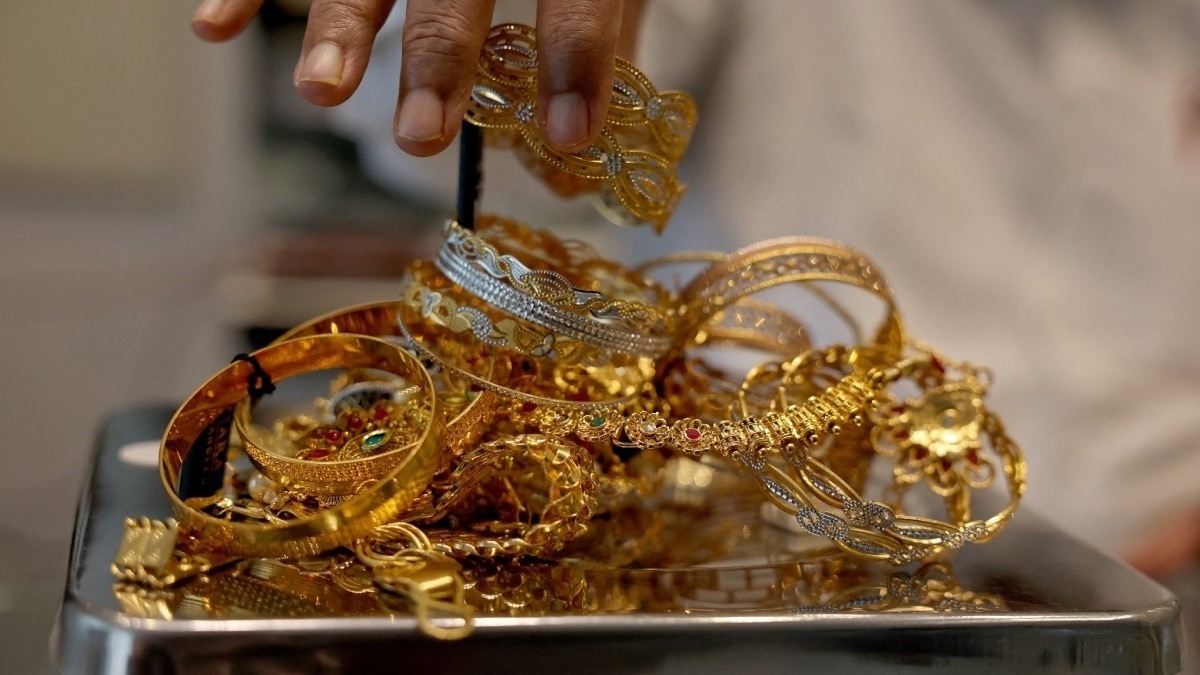
In India, when someone inherits gold or other valuable things from family, they don't have to pay any special tax just for receiving it.
This is because India doesn't have taxes on inheritance, like estate taxes.
However, if you decide to sell that gold later, you might have to pay a tax on any profit you make.
This profit tax, called capital gains tax, is calculated differently.
Instead of starting from zero, you can use the price your parent or grandparent originally paid for the gold.
Also, the time they owned it counts towards how long you've owned it.
This can make your taxable profit smaller.
When people inherit things from other countries or leave things to people in other countries, special rules called FEMA rules apply.
These rules help manage money and assets moving across borders.
Even with these rules, inheriting is still tax-free in India.
But, other countries might have their own taxes on inheritance.
So, while inheriting is simple and tax-free in India, selling or moving assets across borders requires understanding these extra rules.

India has abolished inheritance tax, estate duty, and wealth tax, making the act of inheriting assets, including gold, tax-free.
Selling inherited assets can trigger capital gains tax, calculated based on the previous owner's cost of acquisition and their holding period.
The cost of acquisition for inherited assets is determined by the price the previous owner paid, not zero, potentially reducing taxable gains.
Foreign Exchange Management Act (FEMA) rules govern cross-border inheritance for NRIs/OCIs and resident Indians, but the inheritance itself remains tax-free.
While India has no inheritance tax, foreign jurisdictions may impose their own taxes on inherited assets.
- Who
- Heirs receiving inherited assets, including gold, in India and abroad.
- What
- Tax implications and regulations surrounding the inheritance and potential sale of assets, particularly gold, with a focus on cross-border transfers.
- When
- Inheritance is tax-free upon receipt; tax on sale depends on holding periods and acquisition cost.
- Where
- India, with considerations for cross-border inheritance involving Non-Resident Indians (NRIs), Overseas Citizens of India (OCIs), and foreign jurisdictions.
- Why
- To clarify India's tax-free inheritance policy and explain the application of capital gains tax and FEMA regulations for inherited assets, especially gold.
Stance of Tax Experts
Potential Complications/Considerations
Taxability of Inheritance
Stance of Tax Experts
Inheritance of assets, including gold, is entirely tax-free in India as inheritance tax, estate duty, and wealth tax have been abolished.
Potential Complications/Considerations
While inheriting is tax-free, selling the inherited asset can trigger capital gains tax. The tax is calculated based on the original owner's cost of acquisition and their holding period.
Cross-Border Inheritance Rules
Stance of Tax Experts
Foreign Exchange Management Act (FEMA) rules govern the inheritance of assets by NRIs/OCIs in India and by resident Indians abroad, but the tax-free nature of inheritance remains the same.
Potential Complications/Considerations
FEMA regulations impose conditions on what assets can be inherited across borders, and foreign jurisdictions may have their own inheritance or estate taxes, irrespective of India's tax-free policy.
- Inheritance Tax in India
- Abolished. No tax on receiving assets through inheritance or will.
- Wealth Tax in India
- Abolished in 2015.
- Gift Tax on Inherited Assets
- Not applicable; inheritances are exempt from deeming provisions under the Income Tax Act.
- Tax on Selling Inherited Gold
- Capital gains tax applies. Calculated on the previous owner's cost of acquisition and their holding period.
- Capital Gains Tax Rates
- Short-term (held ≤ 3 years): taxed at individual slab rate. Long-term (> 3 years): taxed at 20% with indexation.
- Cross-Border Inheritance (FEMA)
- Governed by FEMA rules, dictating what NRIs/OCIs can inherit in India and resident Indians abroad.
- Foreign Jurisdiction Taxes
- Foreign countries may impose their own inheritance/estate taxes, independent of India's tax policies.