

1 day ago
NCLT Sends Subhash Chandra Repayment Plan To Five-Member Bench
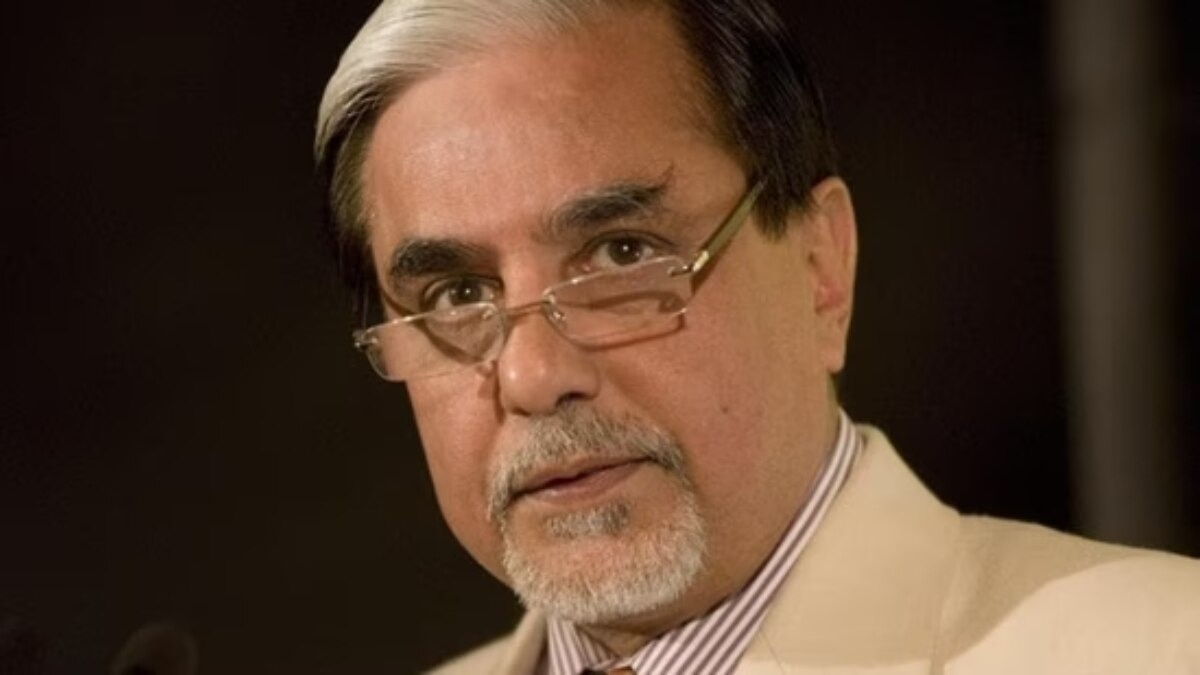
Subhash Chandra has suggested paying creditors ₹6.25 crore.
His creditors say they are owed about ₹22,006.57 crore.
The plan also sets aside ₹25 lakh for insolvency process costs, making the total proposal ₹6.5 crore.
Most voting creditors supported the plan, but some major banks and financial institutions opposed it.
Two NCLT members disagreed about whether the plan should be approved and how it would affect dissenting creditors.
A third member supported the plan but changed some of its terms.
Because the three members did not agree enough to create a majority, the tribunal did not issue a final order.
A larger five-member bench will now review the case, while some lenders have appealed to the NCLAT.

The NCLT found no majority opinion on Subhash Chandra’s proposed repayment plan and issued no final order.
The plan proposes ₹6.25 crore for creditors and ₹25 lakh in process costs against admitted claims of about ₹22,006.57 crore.
Third member Nilesh Sharma supported approval after excluding claims filed for 960 and 300 individuals, but took a different view on dissenting creditors.
The original members disagreed over approval, procedural issues, and whether dissenting creditors could pursue independent recovery.
A five-member NCLT bench will hear the matter on September 1, while lenders have challenged the third member’s order before the NCLAT.
- Who
- Zee Group founder Subhash Chandra, his creditors, the original NCLT members, third member Nilesh Sharma, and the NCLAT.
- What
- The NCLT found that no majority view had emerged on Chandra’s repayment plan and referred the matter to a five-member special bench.
- Where
- Before the National Company Law Tribunal, with related challenges before the National Company Law Appellate Tribunal.
- When
- The third member issued an opinion on August 25; the original bench reconsidered the matter on August 31, and the special bench is scheduled to hear it on September 1 at 10:15 a.m.
- Why
- The three NCLT members took materially different positions on the plan’s approval, its effect on dissenting creditors, excluded claims, and procedural issues.
Plan Supporters
Dissenting Creditors
Approval of the plan
Plan Supporters
The plan received about 80.8% of the voting share, and third member Nilesh Sharma supported approval after excluding certain claims.
Dissenting Creditors
Creditors including HDFC Bank, LIC Housing Finance, IndusInd Bank, Canara Bank, and Union Bank of India (UK) opposed or challenged the plan, citing its limited payout and process concerns.
Effect on dissenting creditors
Plan Supporters
The third member held that an approved repayment plan should bind all creditors under Section 115(1), including those who voted against it.
Dissenting Creditors
The original judicial member’s view would have allowed dissenting banks and financial institutions to pursue independent recovery remedies outside the plan.
Voting and insolvency process
Plan Supporters
Supporters relied on the creditor vote and the resolution professional’s assessment that Chandra’s personal estate was worth less than the amount offered under the plan.
Dissenting Creditors
Opponents questioned whether votes from entities allegedly associated with Chandra should have been counted, challenged the payout as unviable or unlawful, and raised concerns about the resolution professional’s conduct.
Key facts
- Payment to creditors
- ₹6.25 crore
- Process costs
- ₹25 lakh
- Total proposed plan
- ₹6.5 crore, including creditor payments and process costs
- Admitted claims
- Approximately ₹22,006.57 crore
- Creditor voting support
- About 80.8% of the voting share
- Excluded claims
- Claims submitted through Anil Kumar for 960 individuals and Sunil Jain for 300 individuals
- Special bench
- Five members; scheduled to hear the matter on September 1 at 10:15 a.m.
- Reported haircut
- More than 99%; one report describes it as 99.97%
Quotes
National Company Law Tribunal
Tribunal hearing Subhash Chandra’s personal insolvency repayment-plan case
“The approval of repayment plan by confining the same to assenting creditors, with liberty to banks/financial institutions/dissenting creditors to recover their debt, as held by Member (J) in the original order, is different from approval of the plan, extinguishing the claim of all the creditors including banks and financial institutions as held by the Ld. Third Member.”
 livemint.com
“All said and done, no majority view has emerged in the matter. In the wake, no order can be passed at this stage.”
livemint.com
Sources
NCLT sends Subhash Chandra insolvency plan back to chairperson as benches fail to reach majority
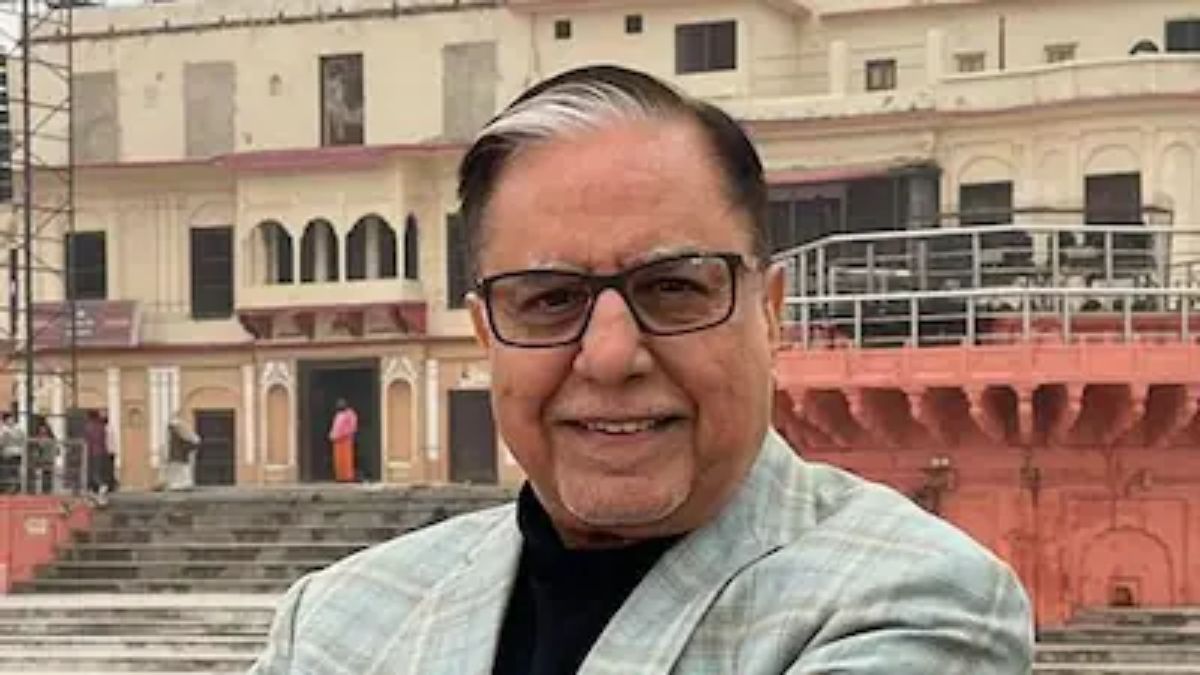
Zee’s Subhash Chandra repayment plan back to NCLT after no majority verdict

Subhash Chandra insolvency case takes new turn as NCLT finds no majority on repayment plan: Report

Subhash Chandra's ₹6.25-crore repayment plan hits hurdle; NCLT forms 5-member bench to decide insolvency case
Related news

NCLT Five-Member Bench Stays and Reconsiders Chandra Repayment Plan
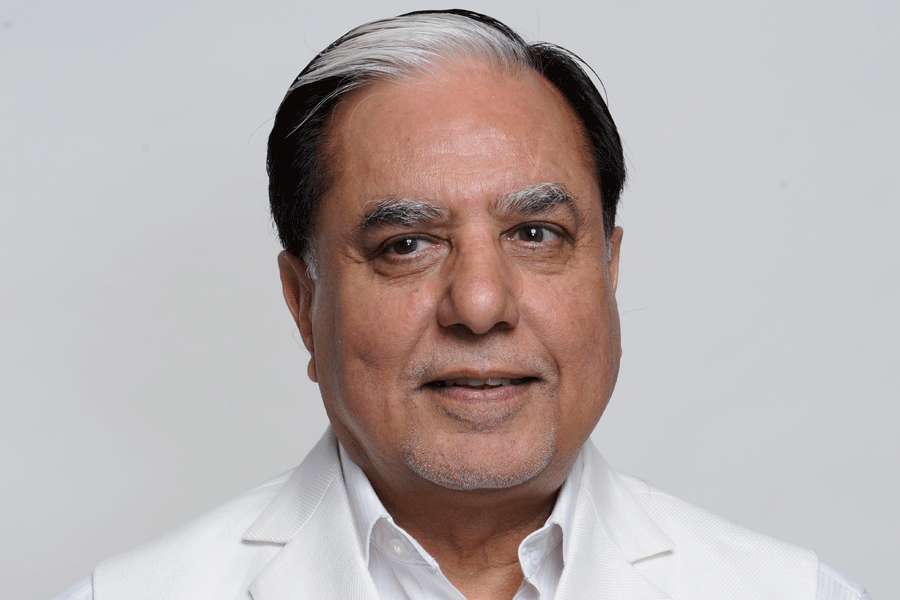
NCLT Deadlock Sends Subhash Chandra Debt Plan To Five-Member Bench

NCLT Stays Subhash Chandra Repayment Plan, Orders Fresh Hearing

NCLT Approves Subhash Chandra’s Rs 6.5-Crore Repayment Plan

NCLT Stays Subhash Chandra’s Repayment Plan, Bars Asset Sales

NCLT Approves Subhash Chandra’s ₹6.5-Crore Repayment Plan

Major Banks Cut FCNR Deposit Rates After Subsidy Ends

Uber Driver Returns ₹37,000 Sent by Mistake, Refuses Reward

ICICI Bank Nears HDFC Bank as Nifty’s Top Influence

Brokerages Suggest HDFC Bank, PB Fintech, Parag Milk Foods

Subhash Chandra Challenges NCLT Bench as NCLAT Appeal Waits
