1 week ago
Pimple Patches Rebrand Acne, But Shame Still Remains
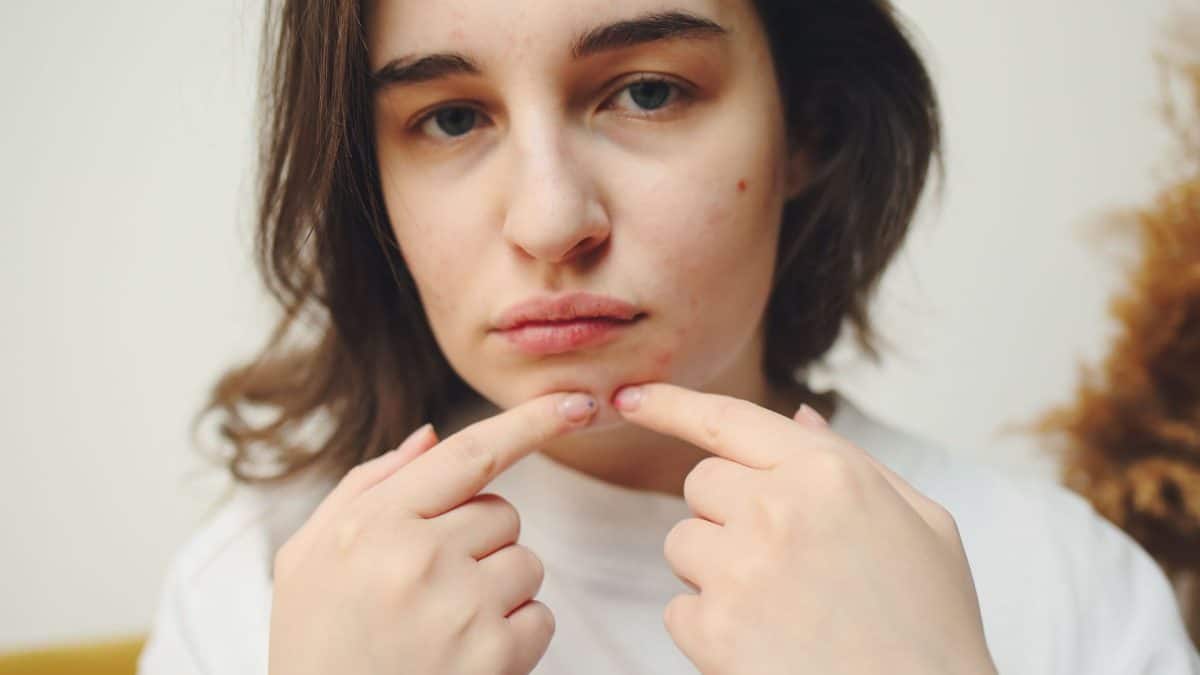
Pimple patches are small stickers that people put on spots.
Starface made them colorful and shaped like stars, so some teenagers wear them openly.
The idea is that acne does not have to be hidden.
Some teenagers say the patches make difficult skin days feel easier.
They also say acne is a common part of growing up, not something to be ashamed of.
However, some still feel embarrassed and cover their faces when they get a new spot.
Social media can make these feelings worse because pictures may be edited or blemishes hidden.
The patches can help stop people from picking at pimples, but they only work well on certain surface-level spots.
They do not remove the deeper causes of acne or prove that everyone feels comfortable with it.

Starface has sold more than one billion pimple patches since launching in 2019, helping turn visible acne stickers into a fashion trend.
The brand promotes acne positivity and self-expression through bright star-shaped patches, celebrity appearances and collaborations including Hello Kitty and SpongeBob.
Teenagers featured in Sophie Harris-Taylor’s Breakout Years project described patches as practical comfort, while some still hide or cover their faces during breakouts.
Acne affects an estimated 80% to 95% of teenagers worldwide and continues to carry significant effects on confidence, attractiveness and mental wellbeing.
Hydrocolloid patches can absorb fluid from some surface-level pimples and discourage picking, but they do not treat deep or hormonal acne or its underlying causes.
- Who
- Starface, teenagers, photographer Sophie Harris-Taylor and stylist Leanne Worsley are central to the story.
- What
- Pimple patches have been reframed as visible accessories linked to acne positivity, though acne-related discomfort and stigma remain.
- Where
- The trend is discussed through bathroom and beauty culture, social media and Harris-Taylor’s series made for Dazed.
- When
- Starface launched in 2019; Harris-Taylor’s Breakout Years project features teenagers aged 14 to 15.
- Why
- The rebrand aims to encourage self-expression and make acne feel less shameful, while patches also offer practical protection against picking.
Acne Positivity
Commercialized Acceptance
Visibility and self-expression
Acne Positivity
Wearing colorful patches openly can present acne as an ordinary experience and help teenagers feel less alone.
Commercialized Acceptance
Turning patches into collectible accessories may make acne more photogenic without removing the shame or discomfort attached to it.
Emotional effect
Acne Positivity
Teenagers in the Breakout Years project described patches as a small, practical comfort and said shared experiences can make breakouts easier to handle.
Commercialized Acceptance
Some teenagers still cover their faces, and research cited in the article indicates acne continues to affect confidence, perceived attractiveness and anxiety.
What patches can do
Acne Positivity
Patches can stop people from picking and can absorb fluid from certain surface-level pimples.
Commercialized Acceptance
Patches do little for deep or hormonal bumps and cannot address acne’s underlying causes, despite broader branding around skin care and positivity.
Key facts
- Starface launch
- 2019
- Patches sold
- More than one billion, according to the article
- Teen acne prevalence
- Estimated at 80% to 95% worldwide
- Starface patch design
- A five-pointed star, commonly in yellow
- Breakout Years subjects
- Teenagers aged 14 to 15
- Patch effectiveness
- Hydrocolloid patches work mainly on surface-level, fluid-filled or already-open pimples
- Main practical benefit
- Discouraging picking, which can help prevent scarring
Sources
Related news
Young Indians’ Skincare Experiments Raise Steroid Misuse Concerns

Rhea Chakraborty Revisits Beauty Pressure and Early Cosmetic Procedures
Instagram Chief Defends Teen Safety Data In Meta Trial

Meta Faces Teen Safety Trial While Promising Platform Changes