

Archive · 20 Nov 2025
Balancing Screen Time with Creativity and Nature for Children
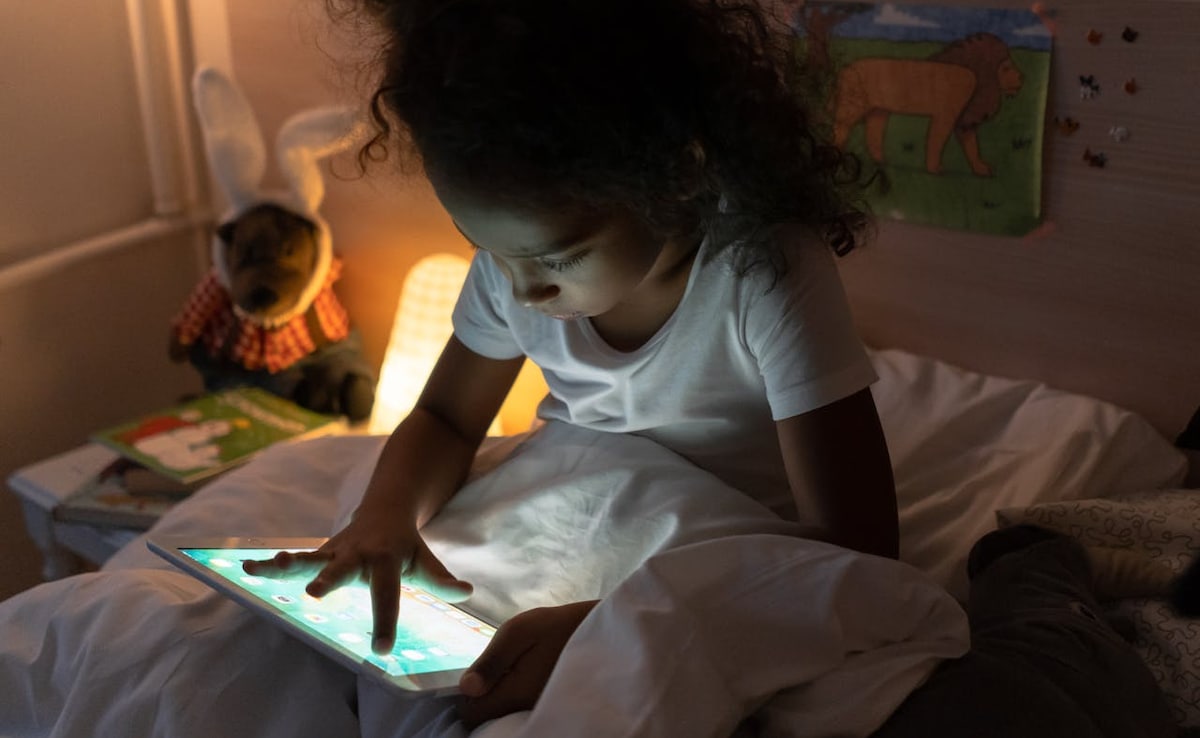
Too much screen time can stop kids from learning and growing in the real world.
To help, try things like going for walks, doing fun projects, and talking to your family.
Also, let kids use screens for good things like learning new languages or playing with robots.
This helps them grow into smart, kind, and confident people.

Excessive screen time can hinder children's social, emotional, and cognitive development
Real-world experiences help build critical life skills
Ravi Bhushan of BrightCHAMPS suggests practical ways to balance digital habits with creativity and nature
Incorporating nature-inspired routines, assignment-based learning, and shared family activities can help
Exploring robotics, supporting self-development, and learning new languages can also be beneficial
- Who
- Children and their parents
- What
- Balancing screen time with creative and nature-based activities
- When
- Especially in the early years of childhood
- Where
- In homes and communities
- Why
- To promote healthy development and prevent negative effects of excessive screen exposure
Pro-Screen Time
Anti-Screen Time
Educational Content
Pro-Screen Time
High-quality educational apps and videos can enhance learning
Anti-Screen Time
Passive consumption of content does not engage children actively
Social Interaction
Pro-Screen Time
Online platforms allow children to connect with peers globally
Anti-Screen Time
Face-to-face interaction is crucial for developing social skills
- Average daily screen time for children aged 2-5
- 3 hours
- Percentage of children who have their own tablet
- 42%
- Age at which many children get their first smartphone
- 10 years old
