

1 hr ago
Delhi Doubles ASHA Pay, Expands Newborn Screening and Digital Services
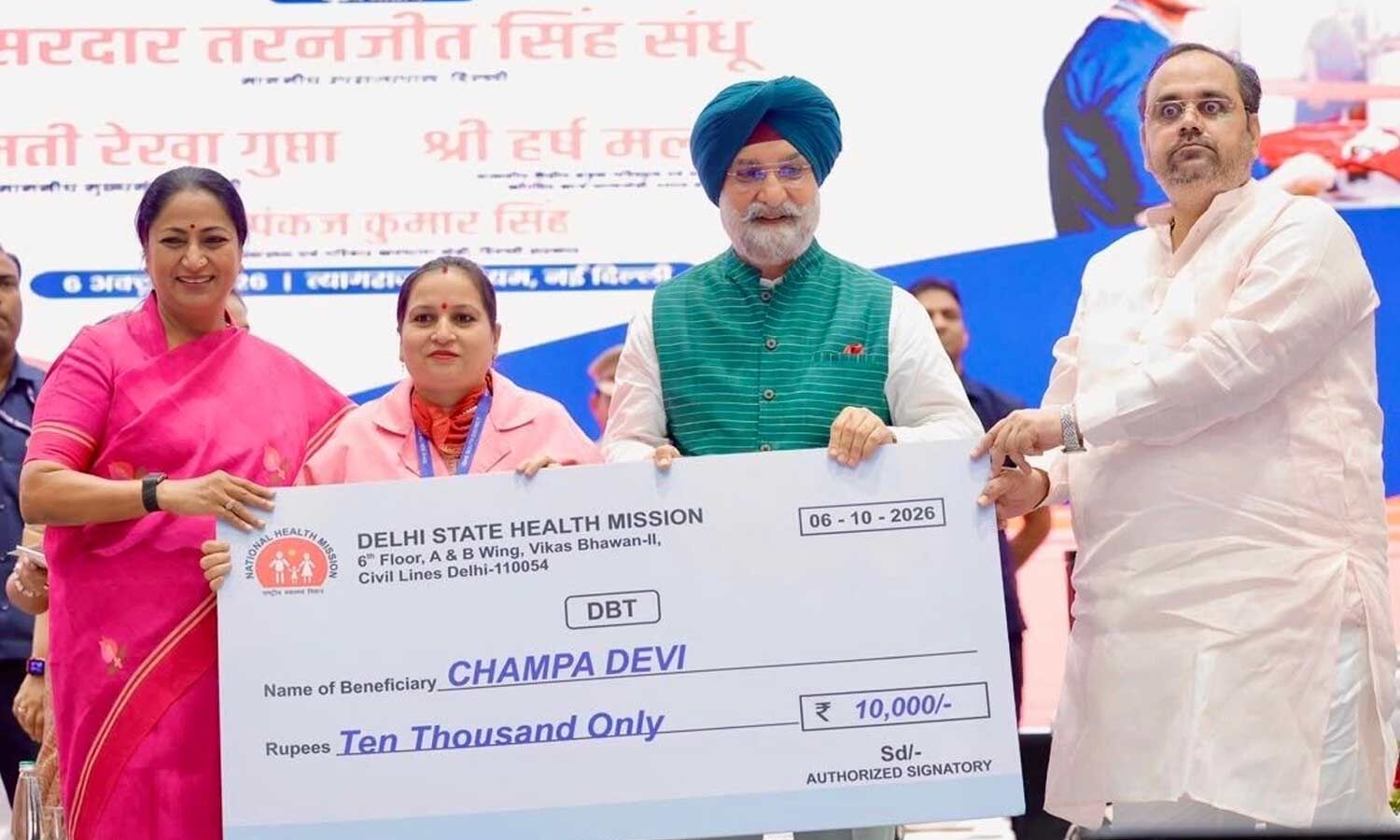
Delhi announced several changes to its health services.
The monthly payment for 6,690 ASHA workers will rise from Rs 3,000 to Rs 6,000.
ASHA workers help protect the health of families.
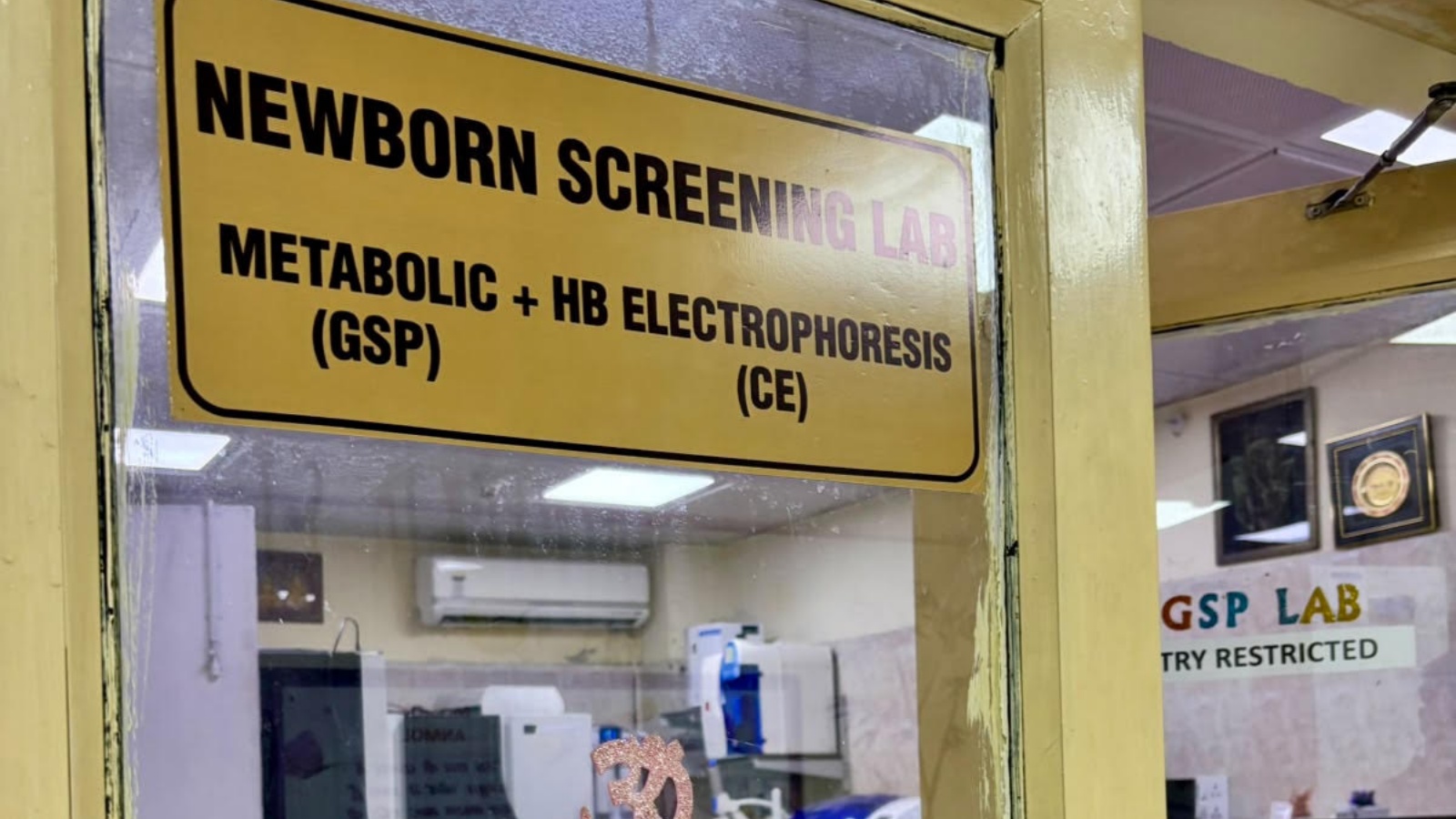
A programme called Mission ANMOL will check newborn babies for 63 serious health conditions.
These free checks will happen when babies are between 24 and 72 hours old.
Delhi hopes to screen 2.5 lakh newborns each year, up from 1.5 lakh.
The government says more than 75,000 children have already been screened and over 700 received timely treatment after a condition was found.
A new online portal will also let private nursing homes handle registration and renewal digitally.

Delhi doubled the monthly honorarium for 6,690 ASHA workers from Rs 3,000 to Rs 6,000.
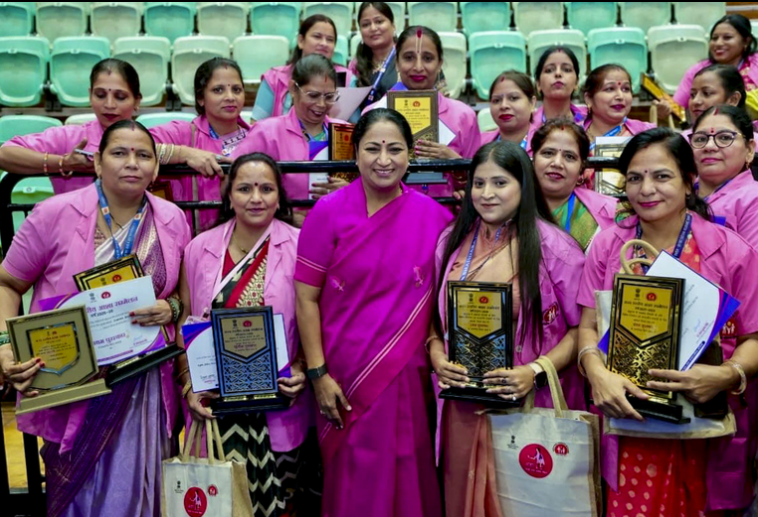
Lieutenant Governor Taranjit Singh Sandhu and Chief Minister Rekha Gupta jointly launched the initiatives at an ASHA event at Tyagaraj Stadium.
Mission ANMOL will provide free screening for 63 serious conditions to newborns aged 24 to 72 hours.
Delhi plans to increase annual newborn screening coverage from 1.5 lakh to 2.5 lakh.
The new Nursing Home Management System portal moves private nursing home registration and renewal processes online.
- Who
- Delhi Lieutenant Governor Taranjit Singh Sandhu and Chief Minister Rekha Gupta jointly launched the initiatives.
- What
- The initiatives include higher ASHA worker honoraria, expanded newborn screening through Mission ANMOL, and an online nursing home management portal.
- Where
- Tyagaraj Stadium, New Delhi.
- When
- At the state-level ASHA Sammelan-2026 and ASHA Samman Samaroh; no specific date was stated.
- Why
- The initiatives aim to support frontline workers, strengthen early detection and treatment of newborn conditions, and simplify nursing home administration.
Key facts
- ASHA workers affected
- 6,690
- New monthly ASHA honorarium
- Rs 6,000, increased from Rs 3,000
- Newborn screening window
- 24 to 72 hours after birth
- Conditions screened
- 63 serious genetic, metabolic and congenital disorders
- Planned annual screening coverage
- 2.5 lakh newborns, up from 1.5 lakh
- Screenings already completed
- More than 75,000 children
- Children treated after detection
- Over 700
Sources
Related news
Delhi Launches Health Initiatives, Expands Screening and ASHA Incentives

Delhi Launches Expanded Newborn Screening and Health Service Initiatives
Delhi Cabinet Doubles ASHA Workers’ Monthly Incentive to Rs 6,000
Delhi Expands Free Newborn Genetic Disease Screening Programme
Delhi CM Honours Anganwadi Workers, Promises Better Centre Facilities
Delhi Plans Anganwadi Shift to MCD Schools, Honorarium Increase
Vijayawada Utsav Organisers Invite Tamil Nadu Chief Minister
Delhi Chief Minister Invited to Vijayawada Dasara Festivities

Delhi CM Orders Monthly Follow-Up Reports From Sakhi Centres
