Archive · 1 Feb 2026
NASA's Perseverance Rover Completes First AI-Planned Drive on Mars
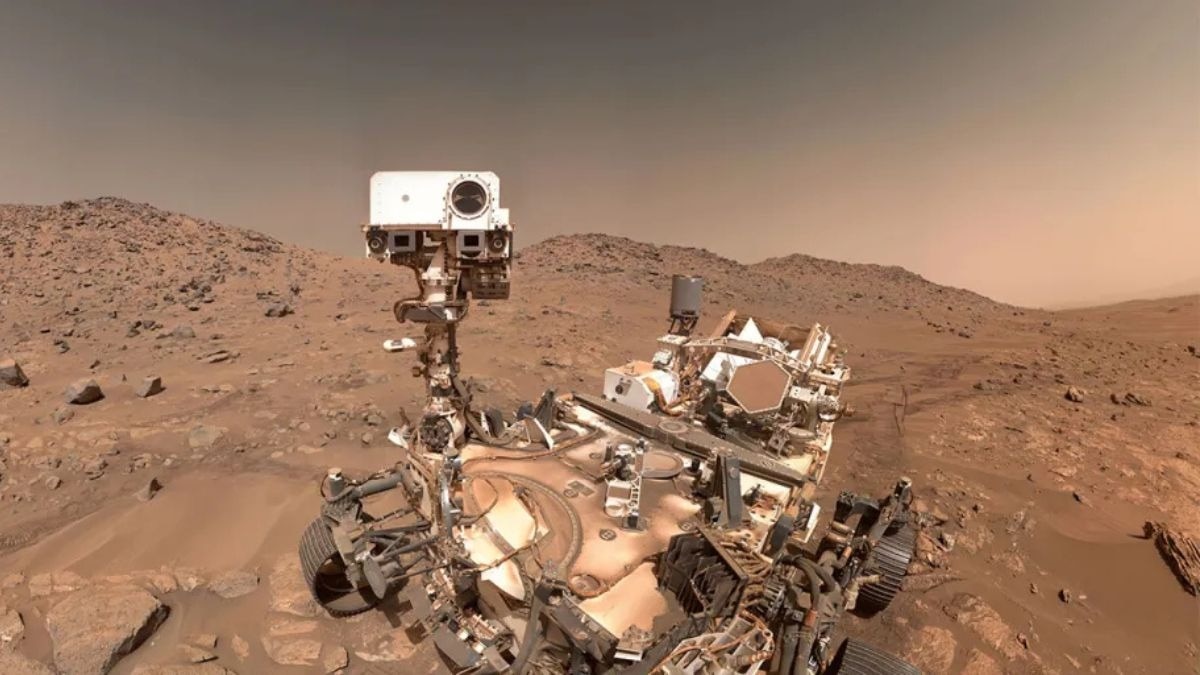
NASA's Perseverance rover on Mars just did something amazing!
It drove itself using artificial intelligence (AI) for the first time.
Normally, humans on Earth plan the rover's routes, but this time, the AI did it all by itself.
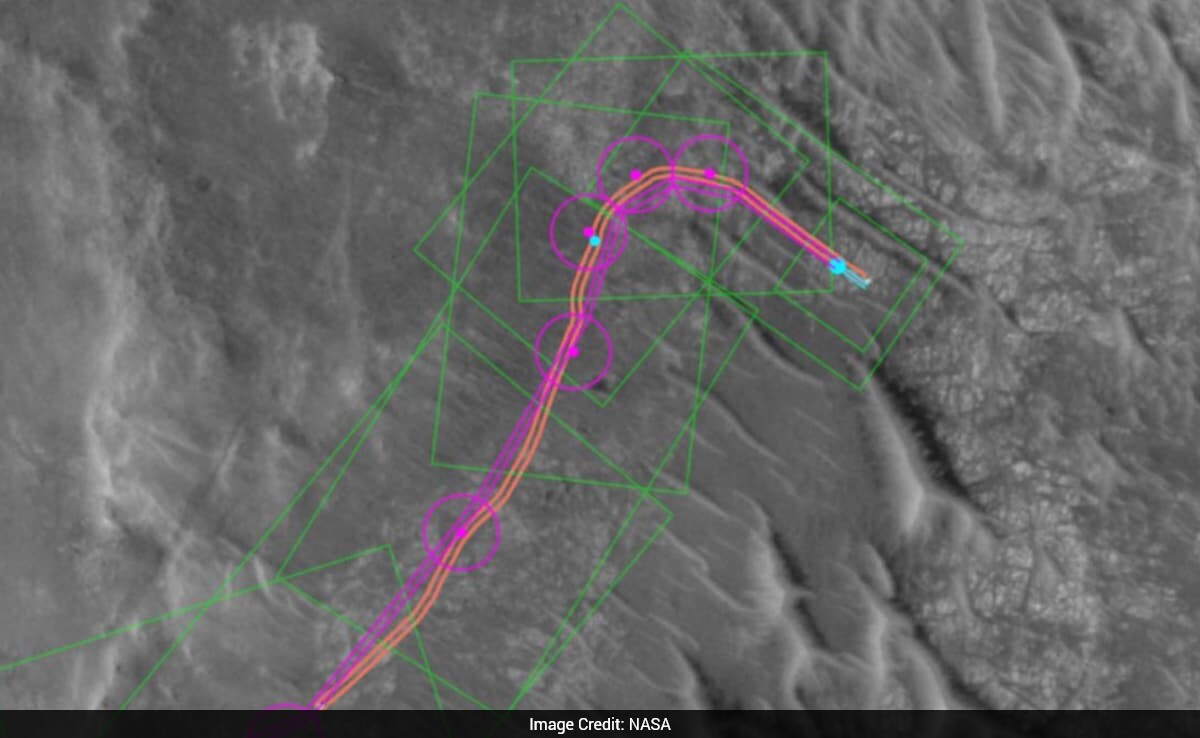
The AI looked at pictures and maps of Mars to find safe paths, avoiding rocks and other dangers.
It planned two drives, one on December 8 and another on December 10, covering a total of over 1,400 feet.
This is a big step because Mars is very far away, and it takes a long time for messages to travel between Earth and Mars.
Using AI helps the rover make decisions faster and explore more places safely.
Scientists think this technology will be very useful for future missions to other planets.

NASA's Perseverance rover completed the first autonomous AI-planned drives on Mars on December 8 and 10.
The AI used vision-enabled generative AI technology to analyze terrain data and plan safe paths.
The rover traveled 689 feet on December 8 and 807 feet on December 10 using AI-determined waypoints.
The AI analyzed terrain slope data, bedrock, outcrops, boulder fields, and sand waves to generate a continuous route.
This demonstration showcases the potential of AI to simplify autonomous navigation for future space missions.
- Who
- NASA's Perseverance Mars rover and the Jet Propulsion Laboratory (JPL) team, in partnership with Anthropic
- What
- Completed the first autonomous AI-planned drive on Mars
- When
- December 8 and 10
- Where
- Mars
- Why
- To demonstrate the capabilities of AI in planning safe paths on the Martian surface, reducing the need for human intervention and improving mission efficiency
- Rover
- Perseverance
- Dates
- December 8 and 10
- Distance Traveled
- 689 feet (210 meters) on December 8, 807 feet (246 meters) on December 10
- AI Technology
- Vision-enabled generative AI
- Location
- Mars
- Organizations Involved
- NASA, Jet Propulsion Laboratory (JPL), Anthropic
- Distance from Earth
- Approximately 140 million miles (225 million kilometers)
- Key Features Analyzed
- Terrain slope data, bedrock, outcrops, boulder fields, sand waves