Archive · 23 Sep 2026
US-Greenland-Denmark Security Deal Expands Arctic Military Presence

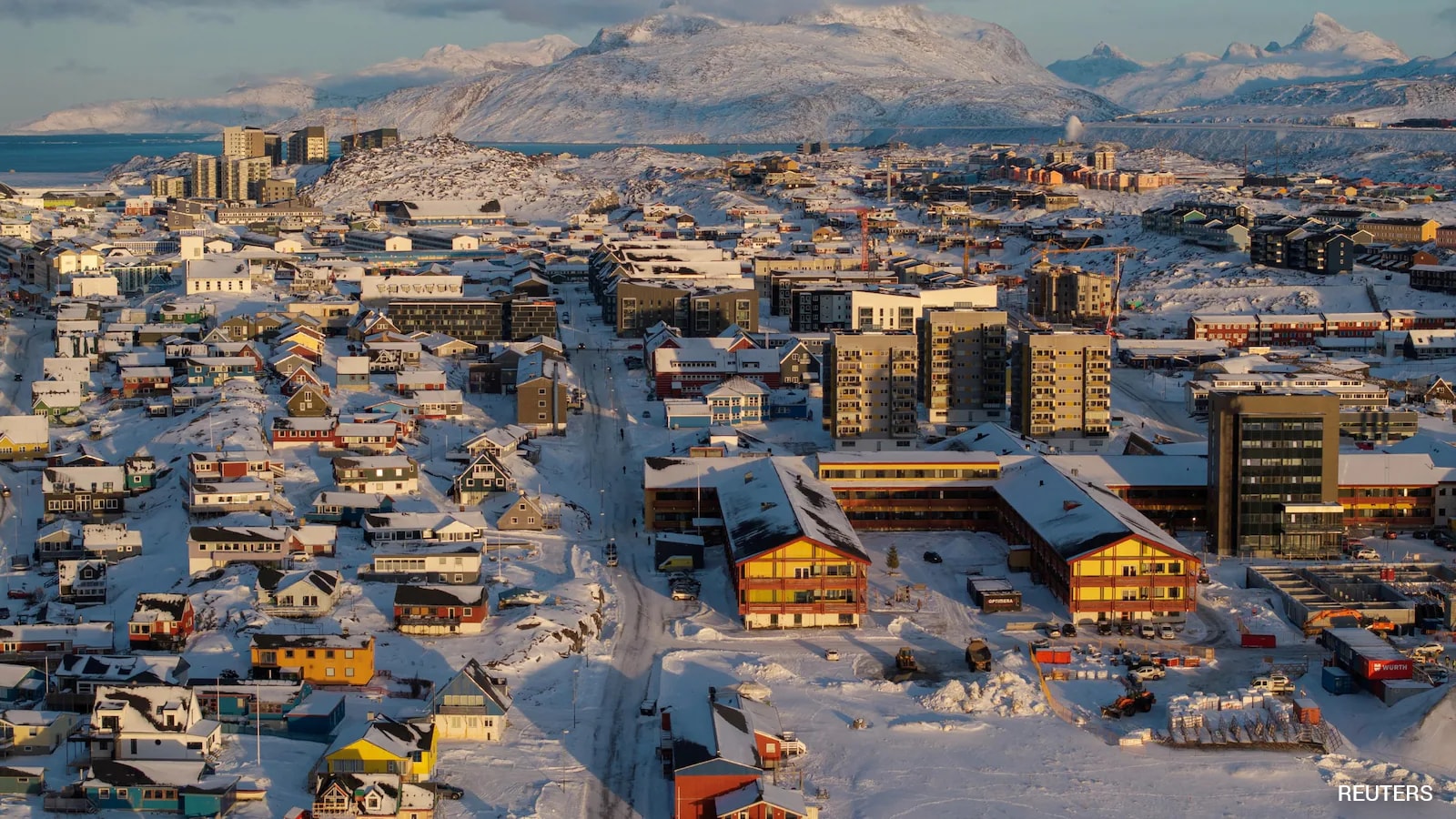
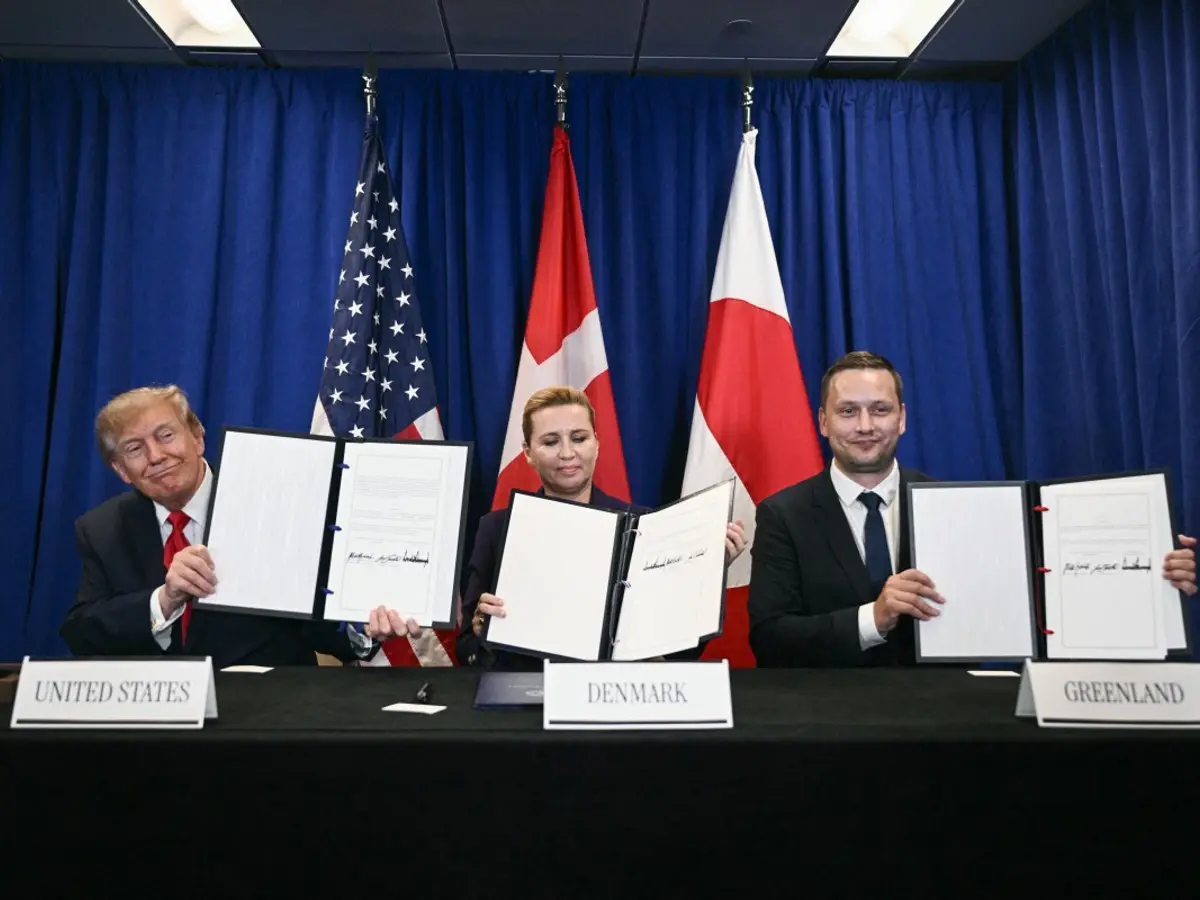
The United States, Denmark and Greenland signed a new security agreement about Greenland.
It updates an older defense agreement from 1951.
The United States could build defense areas at Narsarsuaq and Mestersvig and expand Pituffik Space Base.
American planes and ships would have broad access around Greenland.
The agreement also supports a stronger NATO role in the Arctic.
Countries outside NATO would not be allowed to keep a continuing military presence on the island.
Some foreign investors would be restricted from controlling important parts of Greenland’s economy.
The agreement says Greenland can choose its own future and does not give the United States ownership of Greenland.
Denmark and Greenland must approve the pact before it takes effect.

The United States, Denmark and Greenland signed an agreement amending their 1951 Greenland defense framework.
The pact allows new US defense areas at Narsarsuaq and Mestersvig and expansion of Pituffik Space Base.
US aircraft and vessels would receive flyover, landing and undersea access across Greenland and its territorial waters.
The agreement strengthens NATO’s Arctic role, restricts non-NATO military presence and limits some foreign investment in sensitive sectors.
Denmark and Greenland must approve the deal, which preserves Greenland’s self-determination and does not transfer sovereignty to the United States.
- Who
- The United States, Denmark and Greenland signed the agreement; Donald Trump, Mette Frederiksen and Jens-Frederik Nielsen participated in the signing.
- What
- A security pact expands possible US defense facilities and military access in Greenland while setting NATO, self-determination and investment rules.
- When
- Tuesday, September 22; the articles do not specify the year.
- Where
- It was signed at the United Nations in New York and applies to Greenland, its defense areas and territorial waters.
- Why
- The agreement was intended to ease months of tension over US demands for greater control of Greenland and to strengthen Arctic and NATO security cooperation.
Security and alliance benefits
Autonomy and escalation concerns
Expanded US military role
Security and alliance benefits
Supporters say new defense areas, expanded Pituffik operations and broader access would strengthen Arctic and NATO security.
Autonomy and escalation concerns
Critics note that much of the arrangement builds on military rights the United States already held and worry it could become a platform for further US demands.
Effect on Greenland’s sovereignty
Security and alliance benefits
The agreement does not transfer ownership of Greenland and explicitly recognizes Denmark’s sovereignty and Greenland’s right to self-determination.
Autonomy and escalation concerns
Greenlandic concerns remain because the pact expands the American military role after threats to take control of the island; Greenland’s prime minister said trust still needs to be rebuilt.
Restrictions on outside countries
Security and alliance benefits
Supporters say excluding non-NATO military forces and screening sensitive investments can protect Greenland from espionage and strategic influence.
Autonomy and escalation concerns
The restrictions limit the ability of investors and countries outside NATO, NATO partner states and the European Union to gain control or major influence in sensitive sectors.
- Existing framework
- The pact amends and adds to a 1951 United States-Denmark agreement on Greenland’s defense.
- New defense areas
- The United States may establish defense areas at Narsarsuaq in southern Greenland and Mestersvig on the east coast.
- Existing base
- The United States may modernize and expand operations at Pituffik Space Base.
- Military access
- US aircraft and vessels receive flyover, landing and undersea access throughout Greenland, including its territorial waters.
- NATO and foreign military presence
- The agreement supports a stronger NATO presence in the Arctic and bars non-NATO countries from maintaining an ongoing military presence in Greenland.
- Greenlandic rights
- The pact recognizes Greenland’s right to self-determination and requires the United States to respect Greenlandic society and its way of life.
- Approval and duration
- The parliaments of Greenland and Denmark must approve the agreement; it has no end date and can be amended only by mutual consent.