

Archive · 16 Dec 2025
Inversion Tables: Benefits, Risks, and Age Reversal Claims
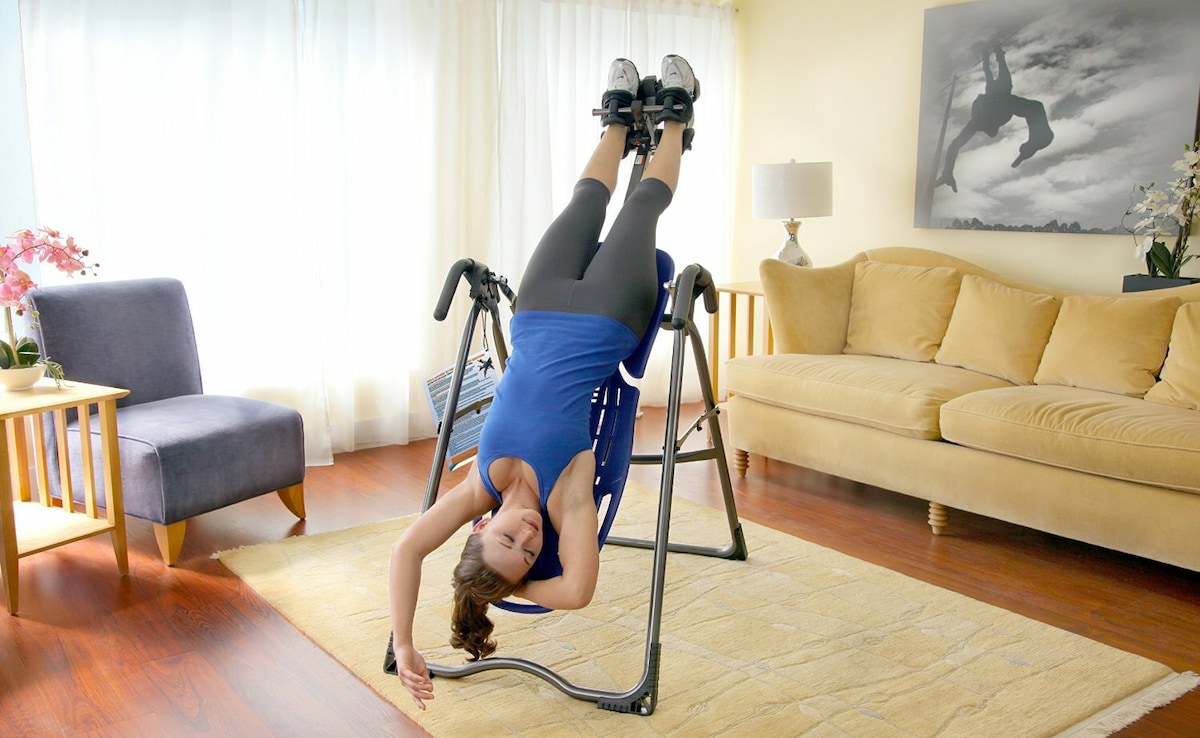
Inversion tables are devices that let you hang upside down or at an angle to stretch your spine and muscles.
Some people say they can help with back pain and even slow down ageing.
However, doctors and experts say the evidence isn't strong enough to support these big claims.
While they might help a little with back pain for a short time, they don't actually reverse ageing.
There are also risks, like increased blood pressure and the chance of injury, so it's important to be careful and talk to a doctor before trying one.
For long-term back health, exercises and stretching are better options.

Inversion tables tilt users upside down to decompress the spine and stretch muscles, potentially providing temporary back pain relief.
Proponents claim inversion tables can improve flexibility, circulation, and even reverse ageing, though scientific evidence is limited.
Research shows some short-term benefits for back discomfort and flexibility, but no evidence supports long-term spinal repair or age reversal.
Using an inversion table carries risks, including increased blood pressure, intracranial pressure, and potential injury, especially for those with certain health conditions.
Experts recommend core-strengthening exercises, posture training, and stretching as safer and more effective alternatives for long-term back health.
- Who
- People interested in back pain relief and age reversal, including Zomato CEO Deepinder Goyal.
- What
- Inversion tables are devices that tilt users upside down to decompress the spine and stretch muscles.
- When
- The concept has gained recent attention due to viral social media posts and endorsements.
- Where
- Inversion tables are used in homes and therapeutic settings, with discussions occurring globally on social media.
- Why
- Proponents claim inversion tables can reduce back pain, improve flexibility, and potentially reverse ageing, though scientific evidence is limited.
- What is an inversion table?
- A device that tilts users upside down or at an angle to decompress the spine and stretch muscles.
- Claimed benefits
- Temporary relief from back pain, improved flexibility, and enhanced circulation.
- Scientific evidence
- Limited support for short-term back pain relief, no evidence for age reversal.
- Risks
- Increased blood pressure, intracranial pressure, and heart workload; potential for injury.
- Safety considerations
- Consult a doctor before use, especially for those with hypertension, heart disease, or glaucoma.
- Alternatives
- Core-strengthening exercises, posture training, stretching, and low-impact cardiovascular activity.
- Endorsement
- Zomato CEO Deepinder Goyal has endorsed inversion tables as part of his research on the Gravity Aging Hypothesis.