

Archive · 25 Sep 2025
Axiom-4 Opens Microgravity Research for India
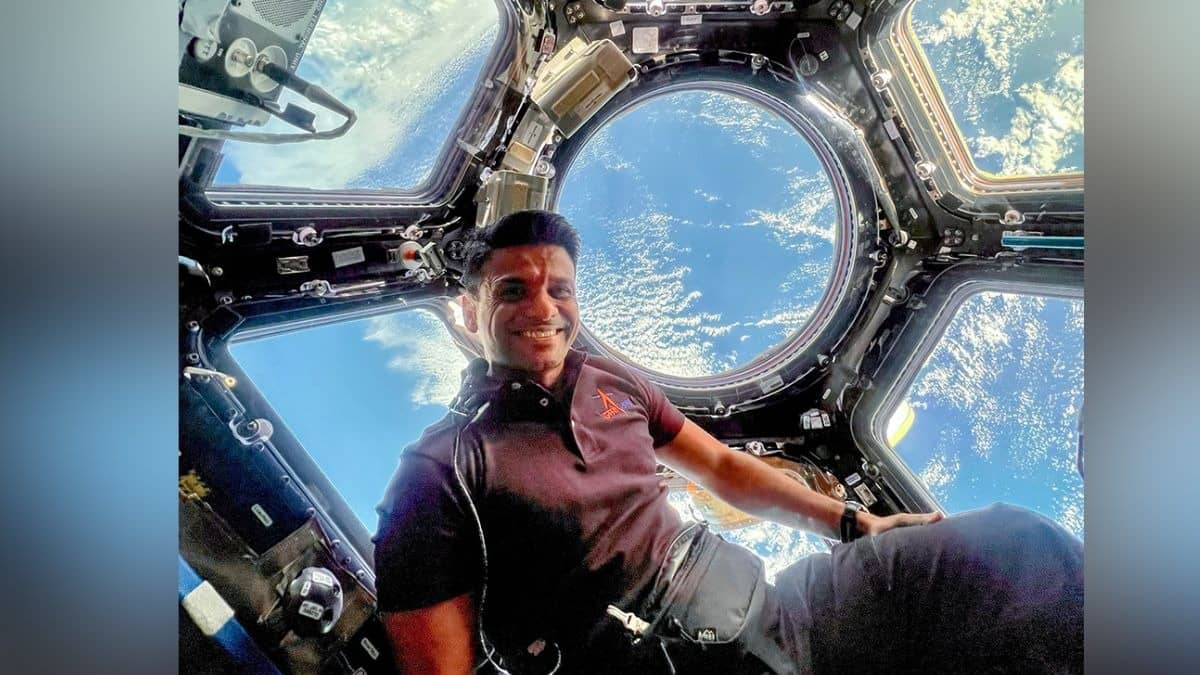
Indian astronaut Shubhanshu Shukla from the Axiom-4 mission shared the importance of microgravity research for India.
He conducted experiments on the International Space Station, paving the way for India's Gaganyaan manned mission, space station, and a Moon mission.
These experiments involved studying the effects of space on Tardigrades, plants, cyanobacteria, and other materials.
Shukla explained how experiments in space can lead to valuable discoveries on Earth.
The program's timeline for human space missions is set for 2027.
Work on an Indian space station has already begun.
He emphasized that failure is a crucial part of the learning process.

Astronaut Shubhanshu Shukla discussed Axiom-4's impact on Indian microgravity research.
Experiments were conducted during his 18-day stay on the International Space Station.
Experiments included studies on Tardigrades, plant growth, and other materials.
Axiom-4 is a stepping stone to India's Gaganyaan mission, expected by 2027.
Shukla highlighted that microgravity research can lead to Earth-based solutions.
- Who
- Astronaut Shubhanshu Shukla, Indian Researchers
- What
- Axiom-4 facilitated microgravity research
- When
- Returned to Earth in July
- Where
- International Space Station
- Why
- To open doors for microgravity research for India.
- Mission
- Axiom-4
- Astronaut
- Shubhanshu Shukla
- Duration
- 18 days
- Experiments Focus
- Gaganyaan, space station, Moon mission
- Indian Space Station
- Work has started
Sources
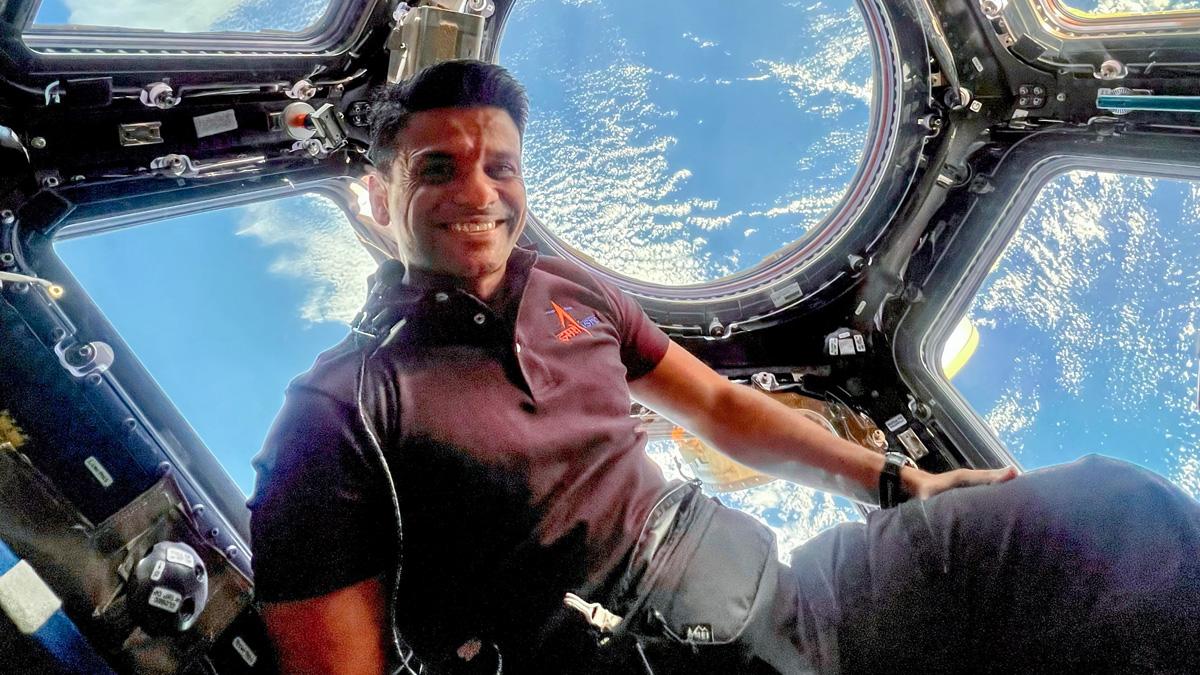
India's space station to look like 6BHK flat: Shubhanshu
1st Module Of India's Space Station To Launch Soon: Group Captain Shukla Says Will Look Like "6 BHK apartment"
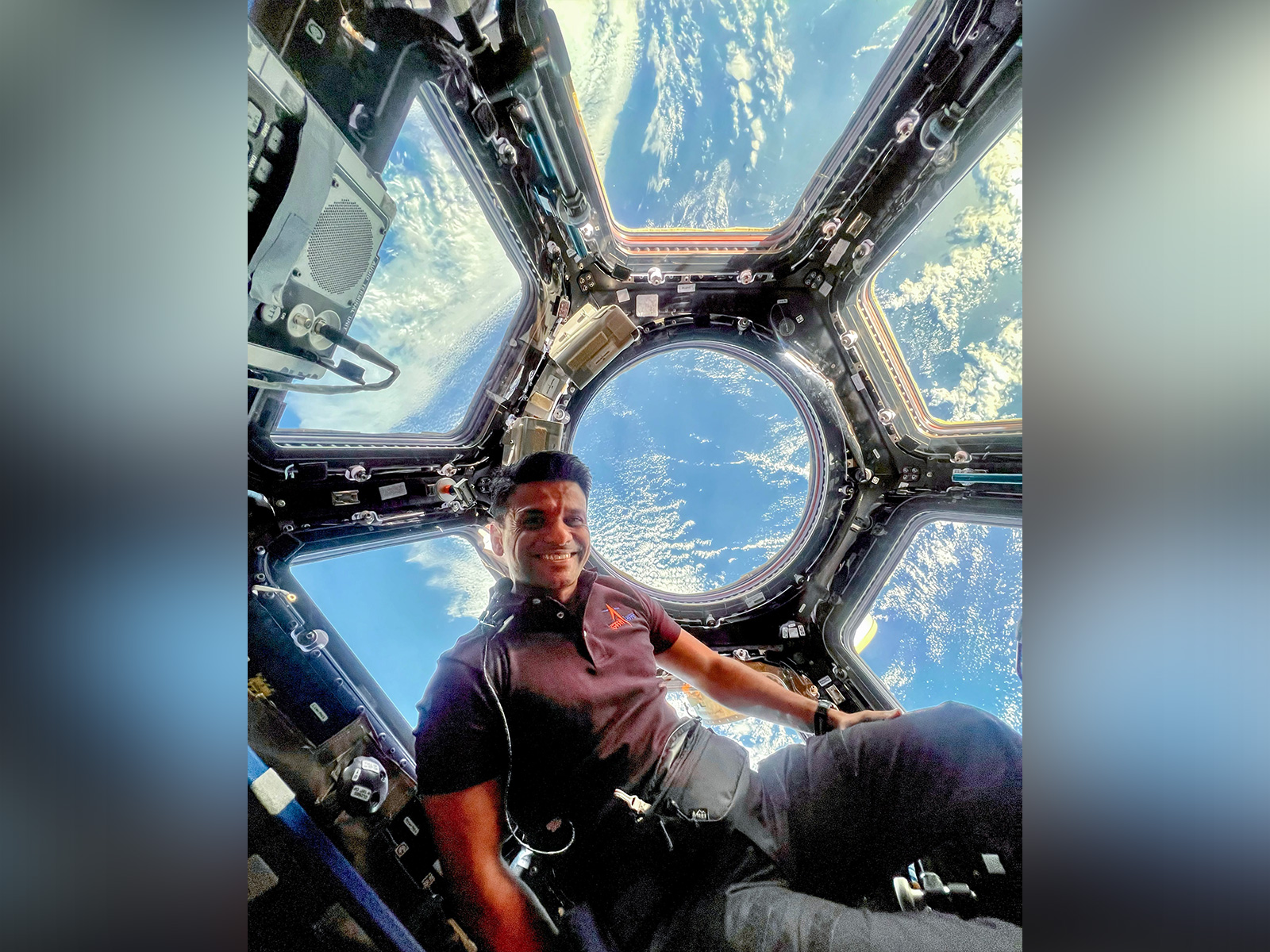
1st Module Of India's Space Station To Launch Soon: Group Captain Shulka Says Will Look Like A 6 BHK Apartment
