3 weeks ago
Appeals Court Allows Social Media Addiction Lawsuits Against Tech Giants

Many people are suing big social media companies because they say these apps are made to be so fun and catchy that kids get hooked and feel sad or worried.
A big court said these lawsuits can move forward.
The companies wanted the lawsuits stopped, saying an old law protects them from being blamed.
But the court said that law only helps them defend themselves later, so it is too soon to cancel the cases.
There are thousands of these court cases, brought by states, schools, and families.
The cases will be handled together by a judge in Oakland, California.
One big trial starts on Wednesday, with many states accusing Meta of collecting kids' data without permission.
In earlier trials, juries and judges decided against Meta and Google and said they should pay money.
One young woman won $6 million because she said she got addicted to Instagram and YouTube.
The companies say they did nothing wrong and want to appeal the earlier decisions.

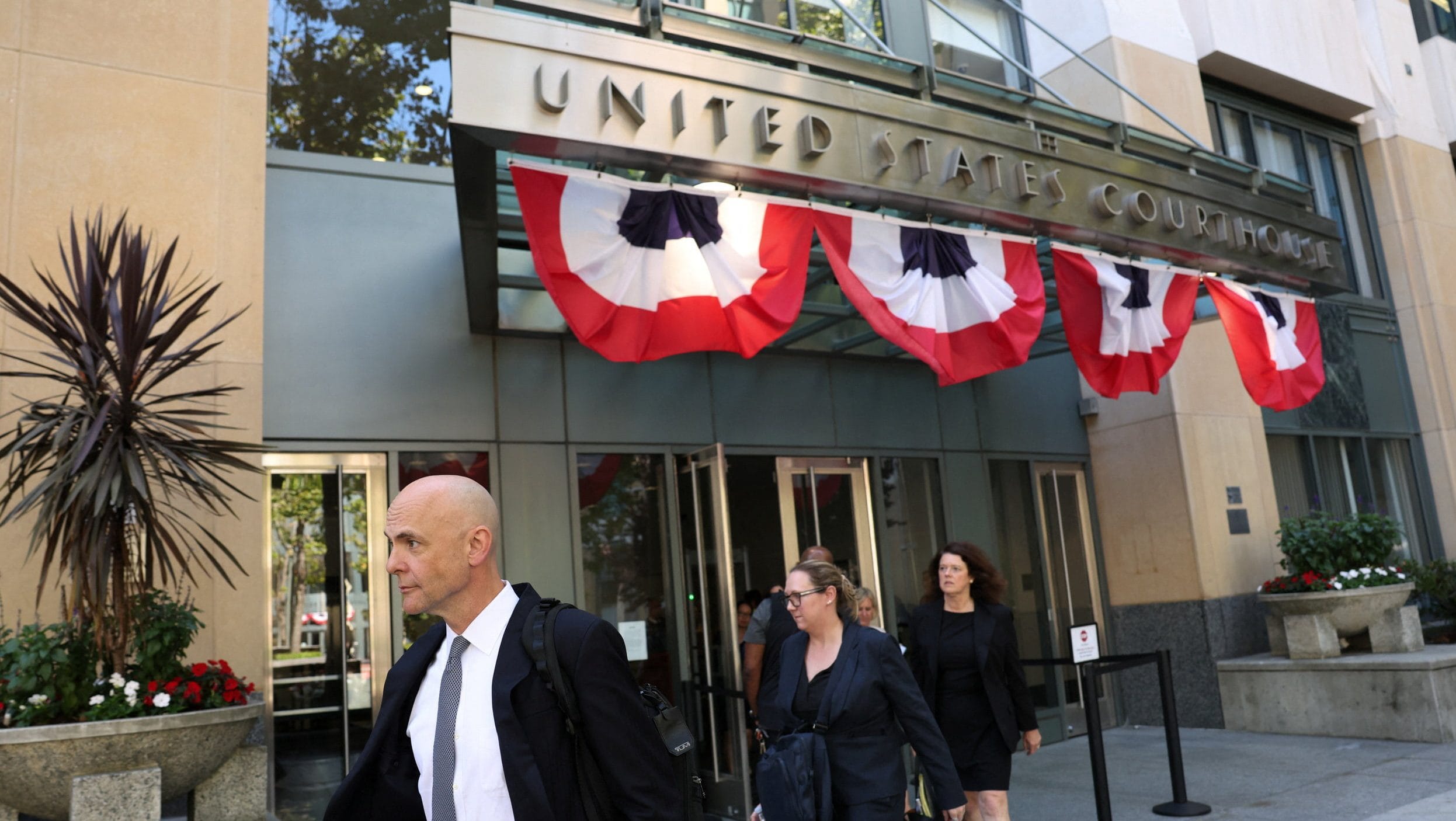
The 9th U.S. Circuit Court of Appeals rejected appeals from Meta, Google, TikTok, and Snapchat, allowing more than 3,000 federal lawsuits over allegedly addictive platform design for young users to proceed.
The court ruled Section 230 of the Communications Decency Act provides a defense to liability, not immunity from lawsuits, so the companies' appeals were premature.
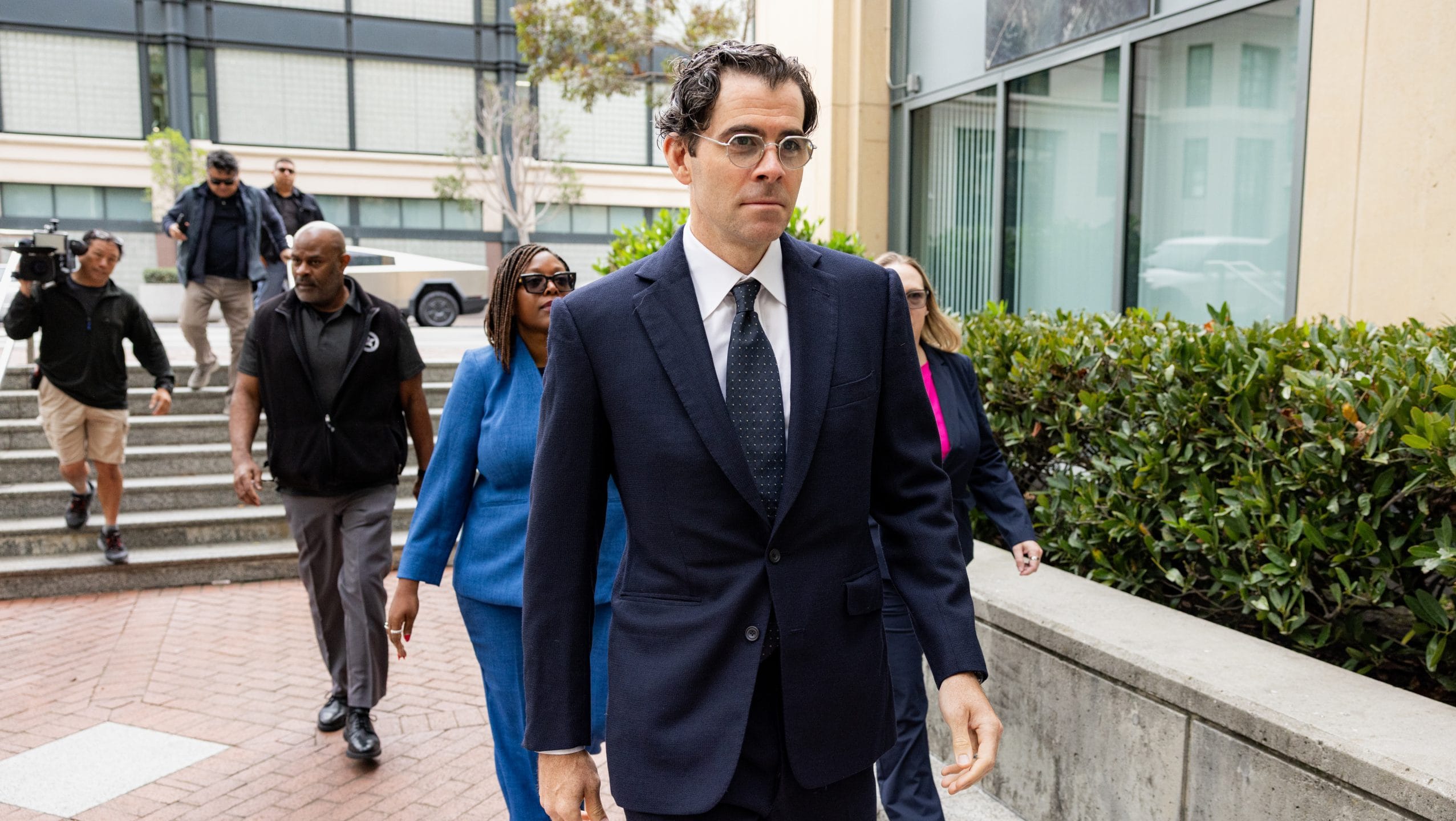
The court denied Meta's bid to postpone a trial beginning Wednesday in a lawsuit by 29 state attorneys general alleging illegal collection and use of children's data and misleading safety claims.
Prior verdicts include a Los Angeles jury awarding $6 million in the first California trial, and Meta being ordered to pay $375 million plus $567 million in New Mexico litigation.
The cases are centralized before U.S. District Judge Yvonne Gonzalez Rogers in Oakland, California, with approximately 3,300 additional lawsuits in a consolidated California state proceeding.
- Who
- Meta Platforms, Alphabet's Google, ByteDance's TikTok, Snap Inc's Snapchat, and the San Francisco-based 9th U.S. Circuit Court of Appeals
- What
- The appeals court allowed more than 3,000 lawsuits to proceed alleging social media companies designed addictive products that harm young users
- Where
- Announced by the 9th U.S. Circuit Court of Appeals in San Francisco; cases centralized in Oakland, California, with earlier verdicts from Los Angeles and New Mexico
- When
- Ruling issued Monday, published August 10, 2026; a related trial by 29 state attorneys general begins Wednesday
- Why
- Plaintiffs allege the companies intentionally addicted young users, contributing to a broader mental health crisis among American youth
Plaintiffs and Regulators
Social Media Companies
Section 230 and appeal timing
Plaintiffs and Regulators
The trial court ruling was not final and could not be appealed yet; Section 230 does not cover claims about how companies operate and design their products.
Social Media Companies
Section 230 shields online companies from claims over user-posted content and also bars lawsuits claiming they failed to warn the public about addictive platform design, so the companies should be able to appeal immediately.
Platform safety and youth harm
Plaintiffs and Regulators
Companies intentionally addicted young users, contributing to depression, anxiety and body-image issues, and misled consumers about the safety of their platforms.
Social Media Companies
Meta and Google denied the claims in those cases and said they would appeal the verdicts.
Key facts
- Appeals court
- 9th U.S. Circuit Court of Appeals (San Francisco)
- Number of federal lawsuits
- More than 3,000
- Defendant companies
- Meta, Google, TikTok, Snapchat
- Judge overseeing cases
- U.S. District Judge Yvonne Gonzalez Rogers, Oakland, California
- State court lawsuits
- Approximately 3,300 in a consolidated California state proceeding
- Los Angeles jury verdict
- $6 million awarded to a young woman for addiction to Instagram and YouTube
- New Mexico verdicts
- $375 million jury award plus $567 million public nuisance judgment against Meta
- Law cited by defense
- Section 230 of the Communications Decency Act of 1996
Quotes
Lexi Hazam
Attorney representing school districts and individuals in the litigation
““A trial is how the public finds out what Meta knew about its products' impact on children, when it knew it, and what it chose to do with that knowledge,””
 firstpost.com
Sources

Related news

Teen Drops Social Media Addiction Lawsuit Before October Trial
Meta faces 29 states in landmark youth social media trial

Big Tech Faces 3,000 Lawsuits Over Kids' Social Media Addiction
Meta and States Discuss Settlement in Teen Social Media Trial

Meta calls allegations of misleading users 'unsubstantiated' ahead of trial
Meta’s California Child Safety Trial Puts Facebook, Instagram Under Scrutiny

Bargarh Woman Becomes District’s First Female Commercial Pilot

Sam Altman Says AI Capabilities and Safeguards Must Advance Together

Sony and Warner Sue Anthropic Over AI Music Training

Mother Bear And Three Cubs Rescued From California Water Tank

Overnight Rescue Saves Climber Trapped On Narrow Ledge