

Archive · 24 Jul 2025
Trump Tariffs Unintentionally Boost US Aluminium Recycling
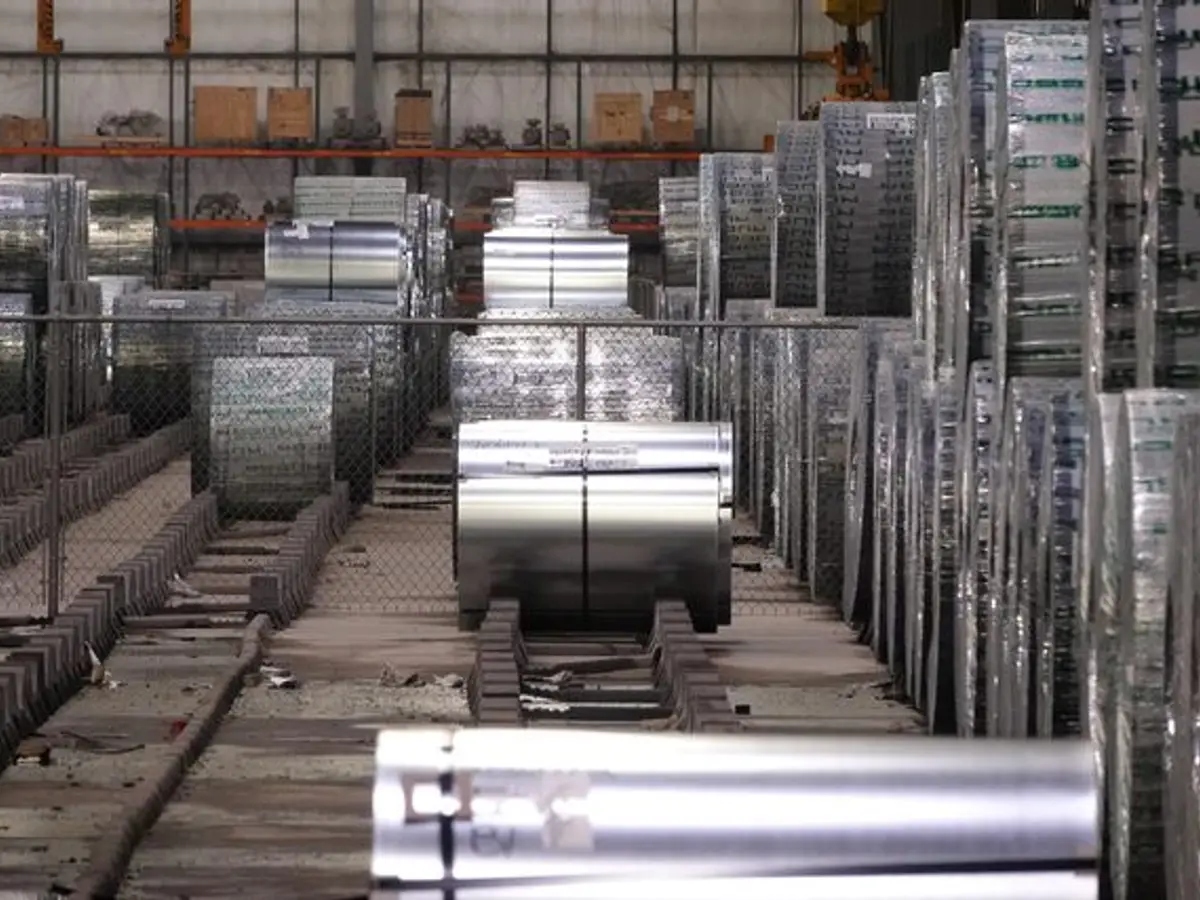
Imagine the US put a big tax on buying new aluminium from other countries.
This made it expensive to use new aluminium.
Because of this, companies started using recycled aluminium, which is cheaper and doesn't have the tax.
The tax, which was supposed to help American factories, is accidentally making recycling a popular thing.
Recycled aluminium uses much less energy to make and isn’t affected by the tax, so recyclers are making a lot of money.
This shift means the US might need fewer new aluminium factories, and is good for the environment.

US aluminium tariffs are boosting domestic recycling.
Tariffs have caused a surge in demand for recycled aluminium.
Scrap metal is exempt from the tariffs, increasing recycler profits.
US scrap exports are down as material is diverted domestically.
Recycling is more cost-effective and quicker to implement than new smelters.
- Who
- The US government, aluminium manufacturers, and recycling facilities.
- What
- US tariffs on imported aluminium are increasing domestic recycling.
- When
- Ongoing as of current date.
- Where
- United States
- Why
- To revitalize US smelters but is instead boosting the recycling sector.
Original Intent
Unintended Consequence
Impact of Tariffs
Original Intent
To revitalize US smelters and reduce reliance on foreign aluminium
Unintended Consequence
Driving a boom in recycling activity
- Tariff Type
- 50% on imported primary aluminium
- Recycling Energy Use
- 5% of primary aluminium
- Scrap Export Shift
- Drop in exports
- Smelter vs. Recycling Investment
- 10% capital investment needed for recycling facilities vs. smelters
- Recycling Facility Build Time
- 1-2 years
- Annual Import Deficit
- 5.5 million tonnes