

Archive · 30 Jun 2025
Super Marine Heat Waves: Oceans Warming, Ecosystems in Peril
The ocean is getting hotter, like a fever for the sea!
This is causing marine heat waves, which are like really hot spells in the water.
These heat waves hurt ocean animals, like coral reefs, and can even cause fish to die.
Scientists have seen this happening all over the world and are trying to figure out what to do.
They've even started calling the worst heat waves 'super' ones.
Some scientists are studying how these heat waves affect everything, while others are trying to save animals from the heat, but it's a big problem that needs a long-term solution.

Marine heat waves, fueled by climate change, are becoming more frequent and intense, causing significant damage.
These heat waves are harming marine life, including coral reefs, and contributing to rising sea levels.
Extreme events, like the 'Blob,' have devastated ecosystems and fisheries, causing widespread loss.
Scientists have coined the term 'super marine heat waves' to describe the most intense events.
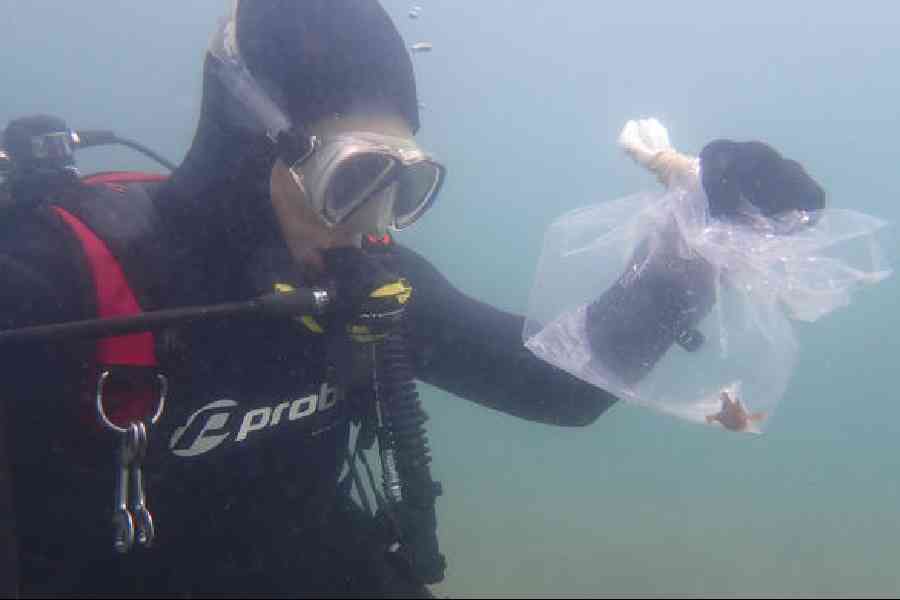
Efforts to mitigate the effects, such as rescuing the red handfish, are temporary solutions to a larger problem.
- Who
- Scientists, marine biologists, and oceanographers studying and responding to marine heat waves, as well as the ecosystems and marine life affected.
- What
- The increasing frequency and intensity of marine heat waves and their impact on marine life and weather patterns.
- When
- Marine heat waves have become more common in recent decades; events in 2024 were particularly severe.
- Where
- Occurrences worldwide, including off the coasts of the UK, Ireland, Australia, and the Gulf of Maine.
- Why
- Climate change, driven by excess heat trapped in the atmosphere, is warming oceans, causing marine heat waves that harm marine life and alter weather patterns.
The Problem
Solutions
Causes of marine heat waves.
The Problem
Climate change is the cause of the Marine Heat Waves
Solutions
The marine heat waves are a result of natural causes.
- Term coined
- Super marine heat waves
- Ocean surface experiencing heat wave
- Topped 40% in January 2024
- Affected marine life
- Coral reefs, fish, plankton, and various marine species
- Observed impacts
- Coral bleaching, declining fish populations, altered weather patterns
- Example
- Northern shrimp population in Gulf of Maine drastically decreased.
- Focus area
- Impact of super marine heat waves