Archive · 16 Sep 2026
India Approves 642 UK Car Imports Under New Trade Pact

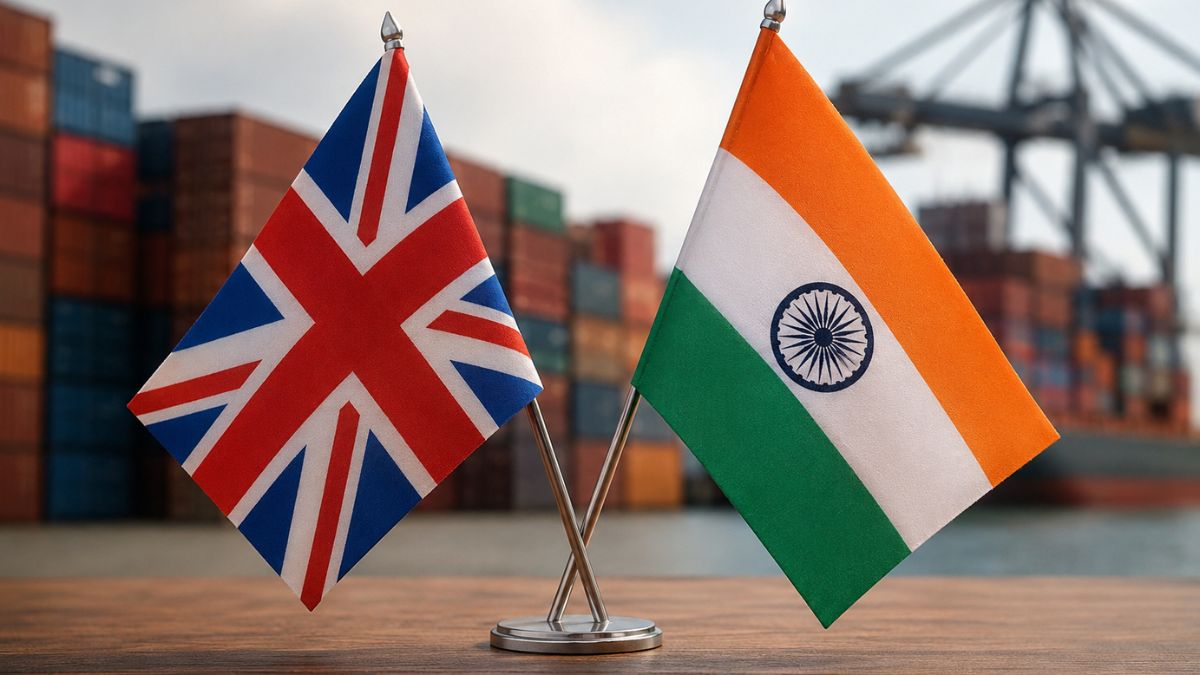
India and the United Kingdom made a trade agreement called CETA.
It allows some cars made in the UK to enter India with lower import taxes.
India has approved 642 cars in the first round.
Eight companies applied, and seven applications were accepted as complete.
One applicant was asked to provide more information.
The first application round had space for about 5,000 cars, although the wider 2026 quota is reported at roughly 10,480 vehicles.
Bigger eligible cars can receive a particularly large tax reduction, from 110% to 30%.
A separate program for vehicles that carry goods received no applications.

India approved imports of 642 UK-origin cars under the CETA tariff-rate quota.
Eight applications were received; seven were accepted and one applicant received a deficiency letter.
The first application round offered about 5,000 cars, while broader 2026 quota estimates range to roughly 10,480 vehicles.
CETA reduces duties on eligible cars, including large vehicles receiving a cut from 110% to 30%.
No applications were received for the separate goods-vehicle quota offering a 37% duty instead of 44%.
- Who
- The Indian government, the Directorate General of Foreign Trade, UK vehicle manufacturers, authorised dealers and channel partners are involved.
- What
- India approved applications to import 642 UK-origin passenger cars under CETA's preferential tariff-rate quota.
- When
- CETA took effect on July 15, 2026; applications opened on July 21 and closed on August 9, with approvals reported 63 days after the agreement began.
- Where
- The vehicles would be imported from the United Kingdom into India.
- Why
- The quota implements CETA's market-access provisions by allowing eligible UK-origin vehicles to enter India at reduced customs duties.
Muted Initial Uptake
Early Implementation
Meaning of the 642 approvals
Muted Initial Uptake
The 642 vehicles represent only a small portion of the roughly 5,000 cars available in the first application phase, indicating limited early demand.
Early Implementation
The approvals came just 63 days after CETA took effect and represent the first allocations under a newly established mechanism.
Scale of the quota
Muted Initial Uptake
Against the 5,000-unit first-phase availability, applications covered only 642 cars, while the separate goods-vehicle quota received none.
Early Implementation
The wider first-year framework allows 20,000 passenger cars, and the pro-rated 2026 total has been reported at roughly 10,480 vehicles, so the initial phase does not represent the entire opportunity.
Future use of preferential access
Muted Initial Uptake
Slow uptake may suggest manufacturers and Indian distribution networks are proceeding cautiously with the new access.
Early Implementation
Future use could increase as companies address origin requirements and assess the pricing benefit from lower duties.
- Approved imports
- 642 UK-origin passenger cars
- Applications
- Eight applications were received; seven were accepted and one received a deficiency letter
- First-round availability
- About 5,000 cars were made available for the initial 2026 phase; one report describes 5,200 units as the first-phase total
- Wider 2026 estimate
- Reports cited a pro-rated total TRQ of roughly 10,480 internal-combustion-engine vehicles for 2026
- First-year framework
- CETA provides for 20,000 preferential-duty internal-combustion-engine passenger cars in the first year
- Large-car duty
- Petrol cars above 3,000 cc and diesel cars above 2,500 cc face a 30% duty instead of 110%
- Goods-vehicle quota
- Eligible goods vehicles can receive a 37% duty instead of 44%; no applications were received in the first round