1 month ago
Andhra Approves Rs 641 Crore for Neradi Barrage
The Andhra Pradesh government has approved Rs 641 crore for the Neradi Barrage project across the Vamsadhara river.
This project is expected to provide better irrigation for farmers, bring more land under cultivation, improve groundwater levels, and help the rural economy.
The project has faced delays due to legal and inter-state issues, but officials have worked hard to secure the necessary approvals and funding.
The barrage is expected to address drinking water scarcity and benefit drought-prone areas.

Andhra Pradesh government approves Rs 641 crore for Neradi Barrage across Vamsadhara river.
Project aims to strengthen irrigation and drinking water supply in Srikakulam district.
Expected benefits include improved groundwater levels, expanded cultivation, and a boost to the rural economy.
Agriculture minister Kinjarapu Atchannaidu played a key role in securing Cabinet approval and funding.
Union civil aviation minister Kinjarapu Ram Mohan Naidu coordinated with Union jal shakti ministry to address inter-state issues.
- Who
- Andhra Pradesh government, Kinjarapu Atchannaidu, Kinjarapu Ram Mohan Naidu
- What
- Approval of Rs 641 crore for the Neradi Barrage project
- Where
- Srikakulam district, Andhra Pradesh
- When
- Recent (specific date not mentioned)
- Why
- To strengthen irrigation and drinking water supply, boost the rural economy, and address drinking water scarcity
Project Supporters
Project Critics
Economic and Agricultural Benefits
Project Supporters
The barrage will strengthen irrigation, improve groundwater levels, and boost the rural economy by bringing more land under cultivation.
Project Critics
Critics argue that the project may lead to environmental degradation and displacement of local communities.
Key facts
- Project Cost
- Rs 641 crore
- Project Location
- Vamsadhara river, Srikakulam district
- Key Officials Involved
- Kinjarapu Atchannaidu, Kinjarapu Ram Mohan Naidu
- Expected Benefits
- Assured irrigation, improved groundwater levels, expanded cultivation in drought-prone areas, strengthened rural economy, and addressed drinking water scarcity
Sources
Related news

iPhone Ultra Price and Features Leaked Before Apple Event

Nvidia’s RTX Spark AI PCs From Lenovo, Acer Launch October

Azim Premji Foundation Launches Delhi Scholarships for Girls

Seven AI Courses Offer Paths From Free Lessons to Credentials

Karnataka Adds AI Vocational Subject, Replacing Third-Language Option

Adobe, UNICEF Expand AI Skills Training Across Indian Schools

IMD Forecasts Heavy Rainfall in Andhra Pradesh; Fishermen Warned
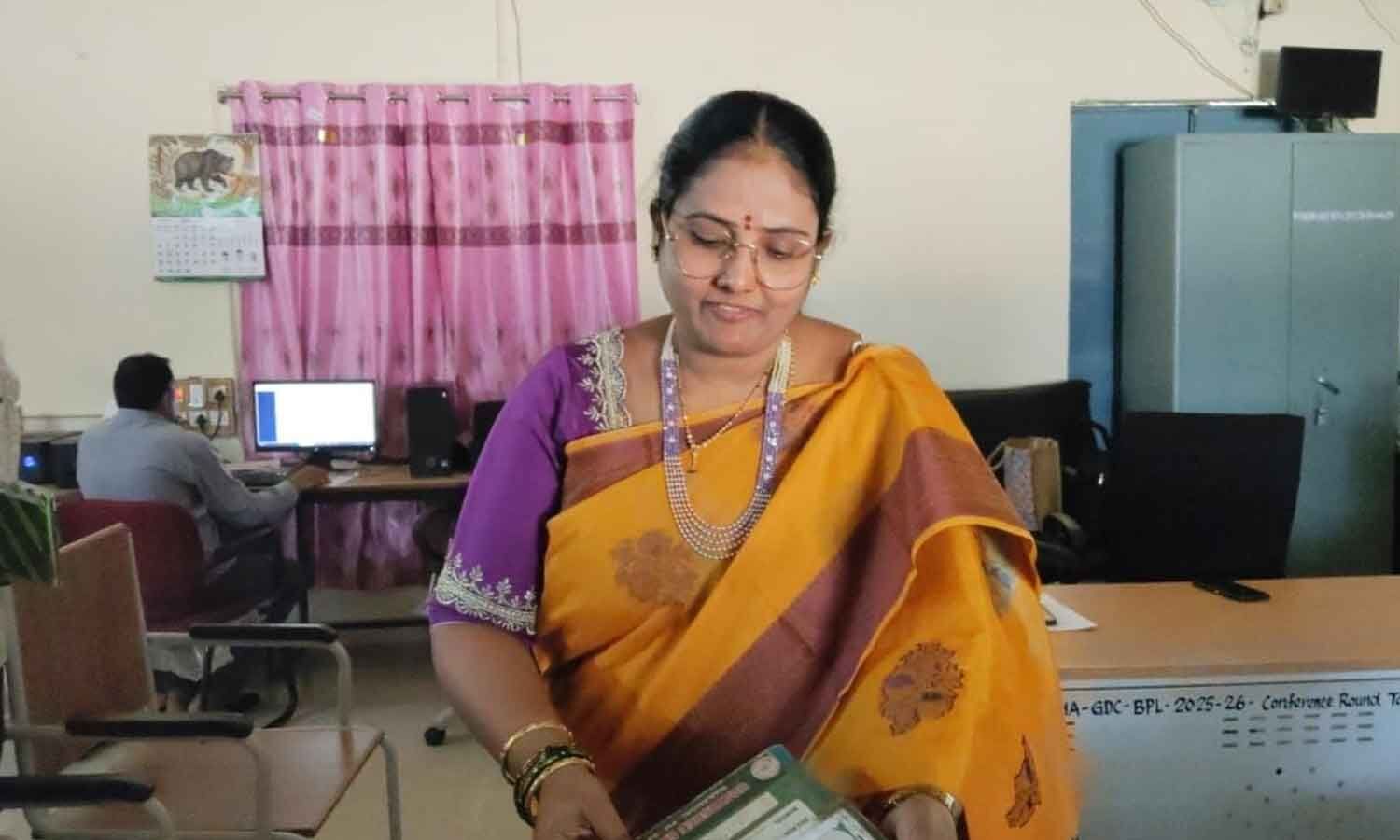
Banaganapalle College Principal Transferred Amid Corruption Allegations and Inquiry

Army Aspirant Dies After Collapsing During Recruitment Run
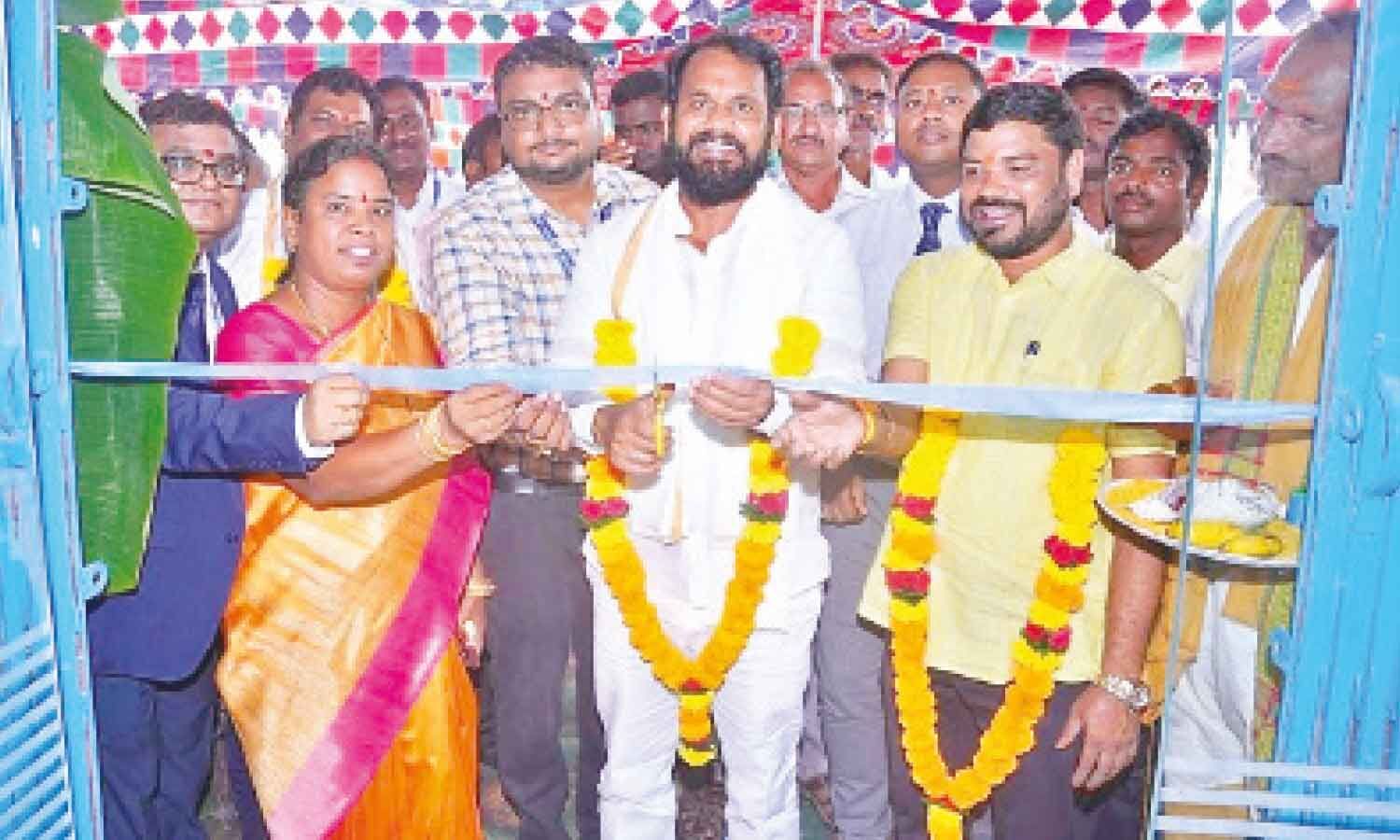
Indian Overseas Bank opens seventh Srikakulam branch at Ranastalam
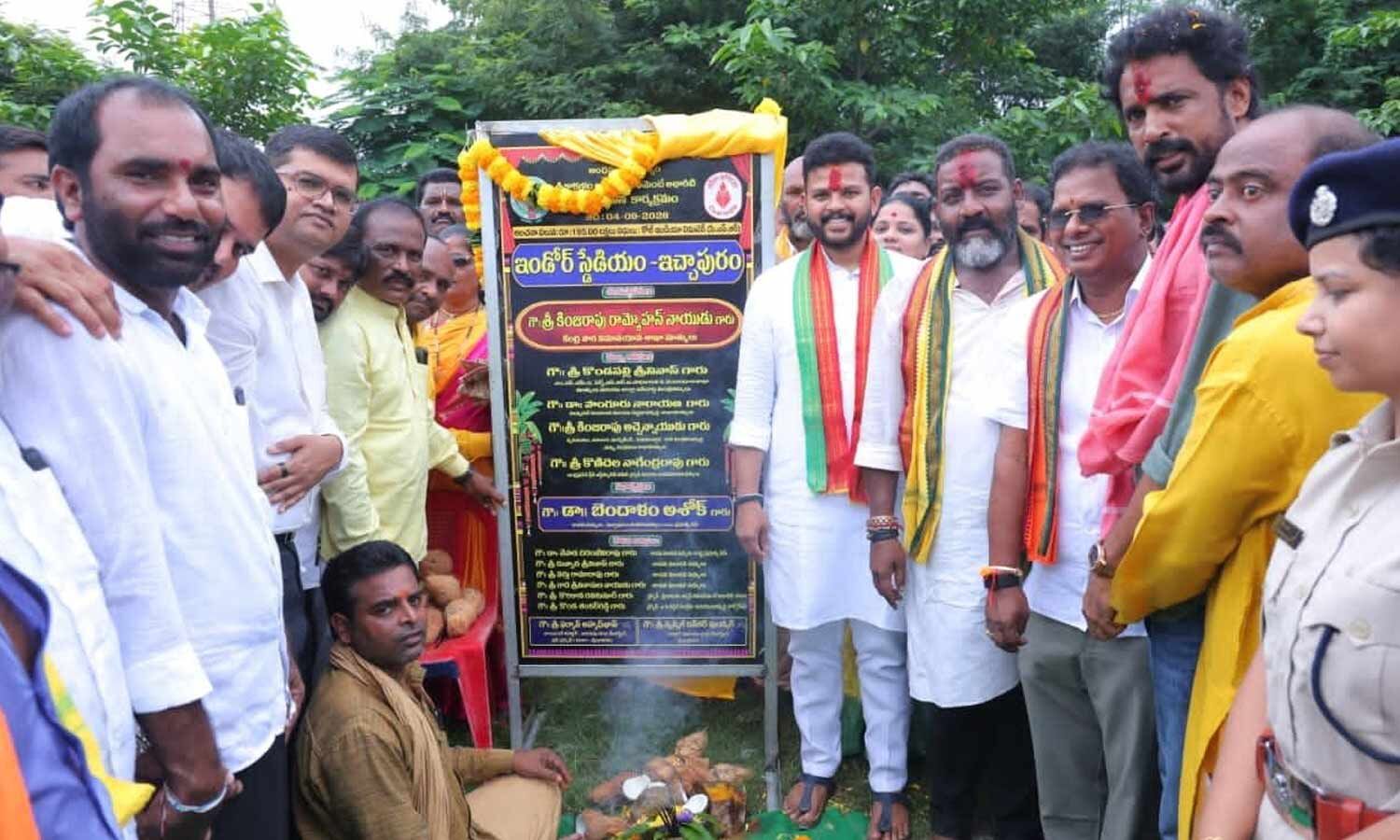
Civil Aviation Minister Launches Several Development Projects in Ichchapuram