2 hrs ago
Centre Urges States to Standardise Brain Stem Death Certification
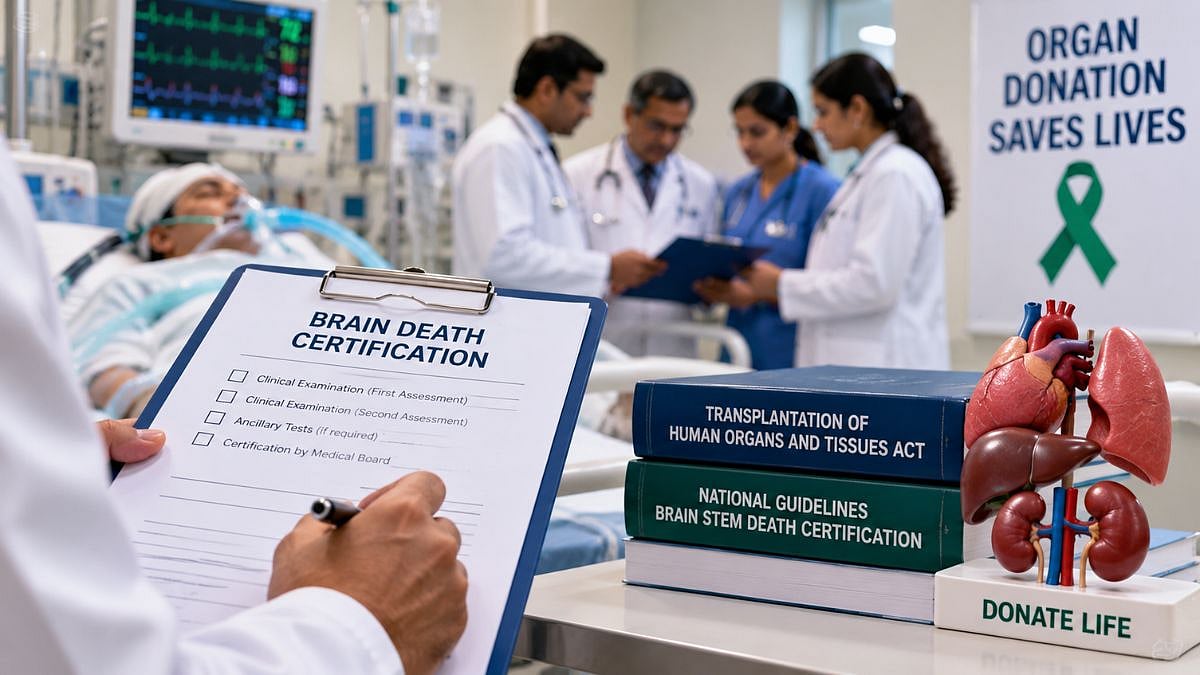
The Centre wants hospitals across India to use the same rules when deciding whether someone has died because their brain stem has stopped working.
Brain stem death is irreversible, and there is no hope of revival after it is declared.
The rules were launched in August.
A board of four doctors must carry out clinical tests twice.
For adults, the two sets of tests must be at least six hours apart.
Officials say clear rules can help families trust that the checks are done carefully and fairly.
That may also help more families consider organ donation.
One deceased donor can save up to eight lives, and some organs can only come from deceased donors.

The Centre has asked states to direct hospitals to follow national brain stem death certification guidelines.
The guidelines were launched in August and set out a uniform, evidence-based and legally standardised process.
NOTTO Director Dr Anil Kumar said consistent certification could support deceased organ donation.
Around 5–6% of organ donors in India are people declared brain dead, according to the article.
A four-doctor board conducts clinical tests twice, at least six hours apart for adults, to certify brain stem death.
- Who
- The Centre has urged states and hospitals to follow the guidelines; NOTTO Director Dr Anil Kumar described the request.
- What
- States have been asked to ensure hospitals use national guidelines for certifying brain stem death.
- Where
- Across India.
- When
- The report is dated October 5, 2026; the guidelines were launched in August.
- Why
- To establish consistent, legally and ethically safeguarded certification and support deceased organ donation.
Key facts
- Guidelines
- National guidelines for brain stem death certification, launched in August.
- Certification board
- A board of four doctors, as specified under the relevant rules, can certify brain stem death.
- Adult test interval
- The two sets of clinical tests must be at least six hours apart for adults.
- Brain-dead donors in India
- Around 5–6% of organ donors in India are people declared brain dead.
- Potential impact
- One deceased donor can save up to eight lives and improve many others.
- Organs and tissues cited
- Officials said the heart, lungs and corneas can only be donated by a deceased donor.
Quotes
Dr Anil Kumar
Director of the National Organ and Tissue Transplant Organisation (NOTTO) under the Health Ministry.
“The successful realisation of deceased donation hinges entirely on the prompt, accurate, and transparent identification and certification of Brain Stem Death (BSD), and that is why we have requested the states to direct the hospitals to follow them”
 freepressjournal.in
“We have urged them to ask hospitals and institutions under their jurisdiction to follow these guidelines. We want more hospitals to support these guidelines, as it will promote deceased organ donation in the country”
freepressjournal.in
Sources
Related news
Mumbai Brain-Dead 18-Year-Old Donor Helps Multiple Patients Through Transplants
Delhi Chief Minister Pledges 14-Organ Donation, Promotes Public Blood Drive
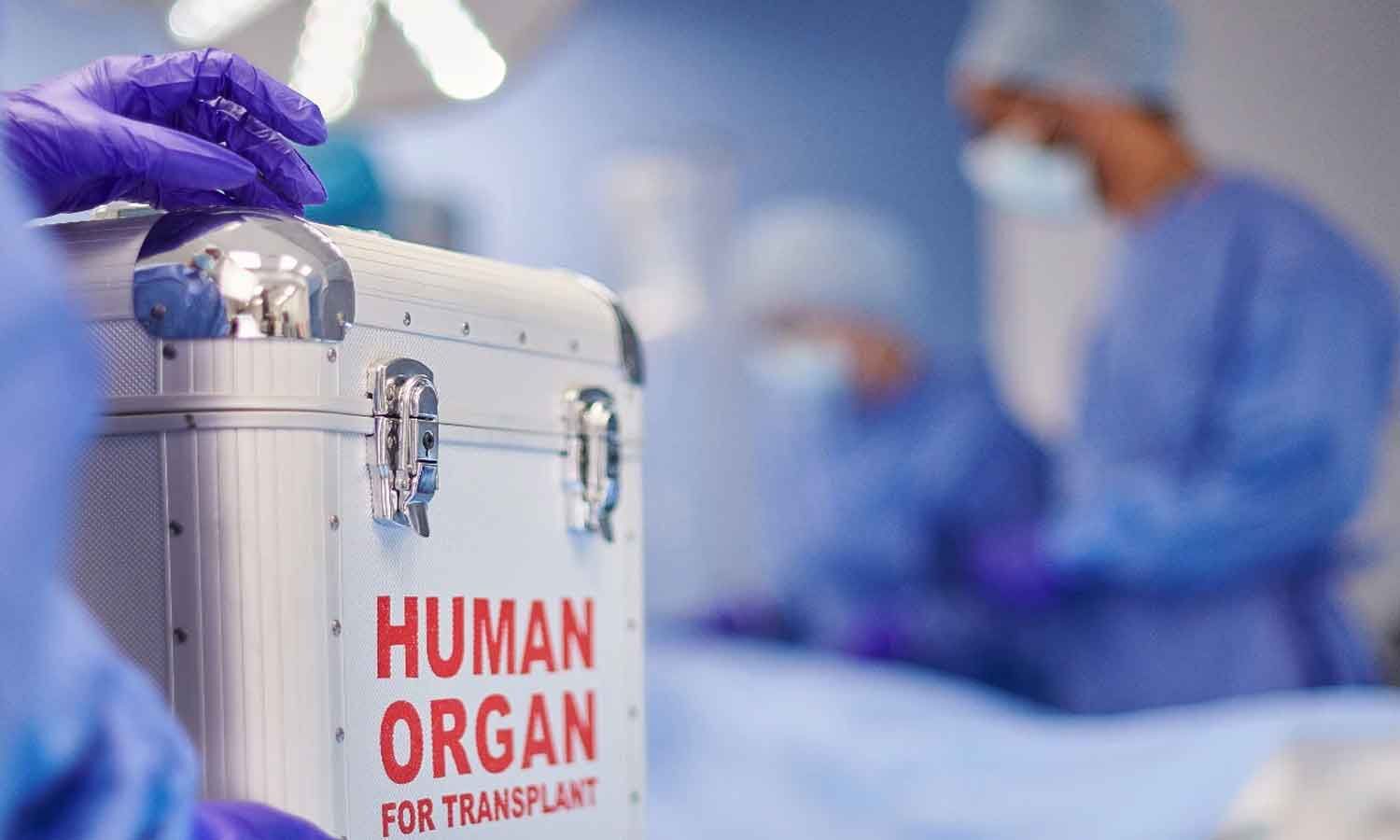
Brain-Dead Accident Victim’s Family Donates Organs, Helping Five Patients
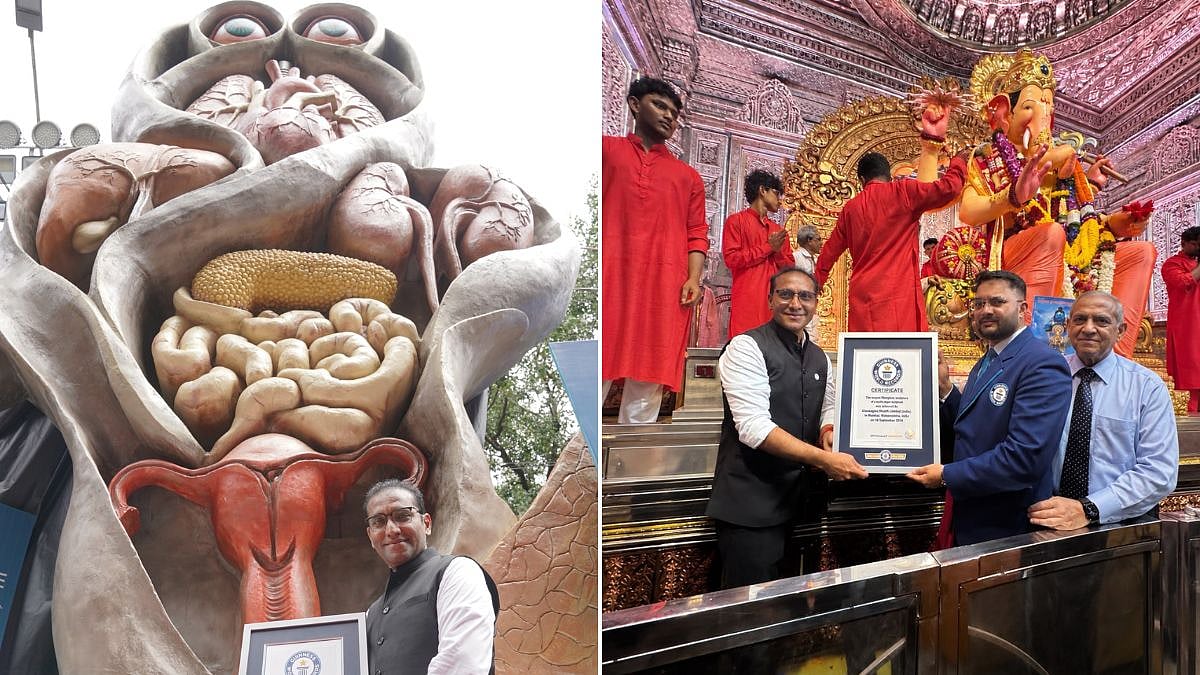
Mumbai Ganeshotsav Sculpture Sets Guinness Organ Donation Record
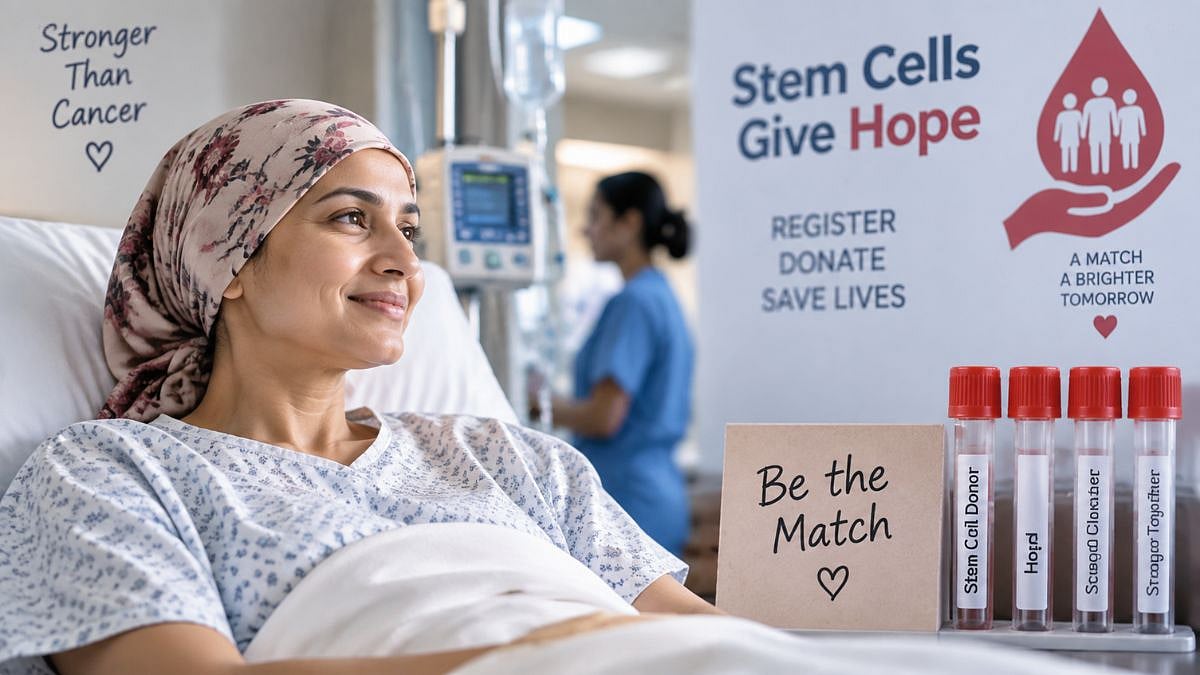
Cancer Survivor’s Transplant Shows India’s Need for More Donors
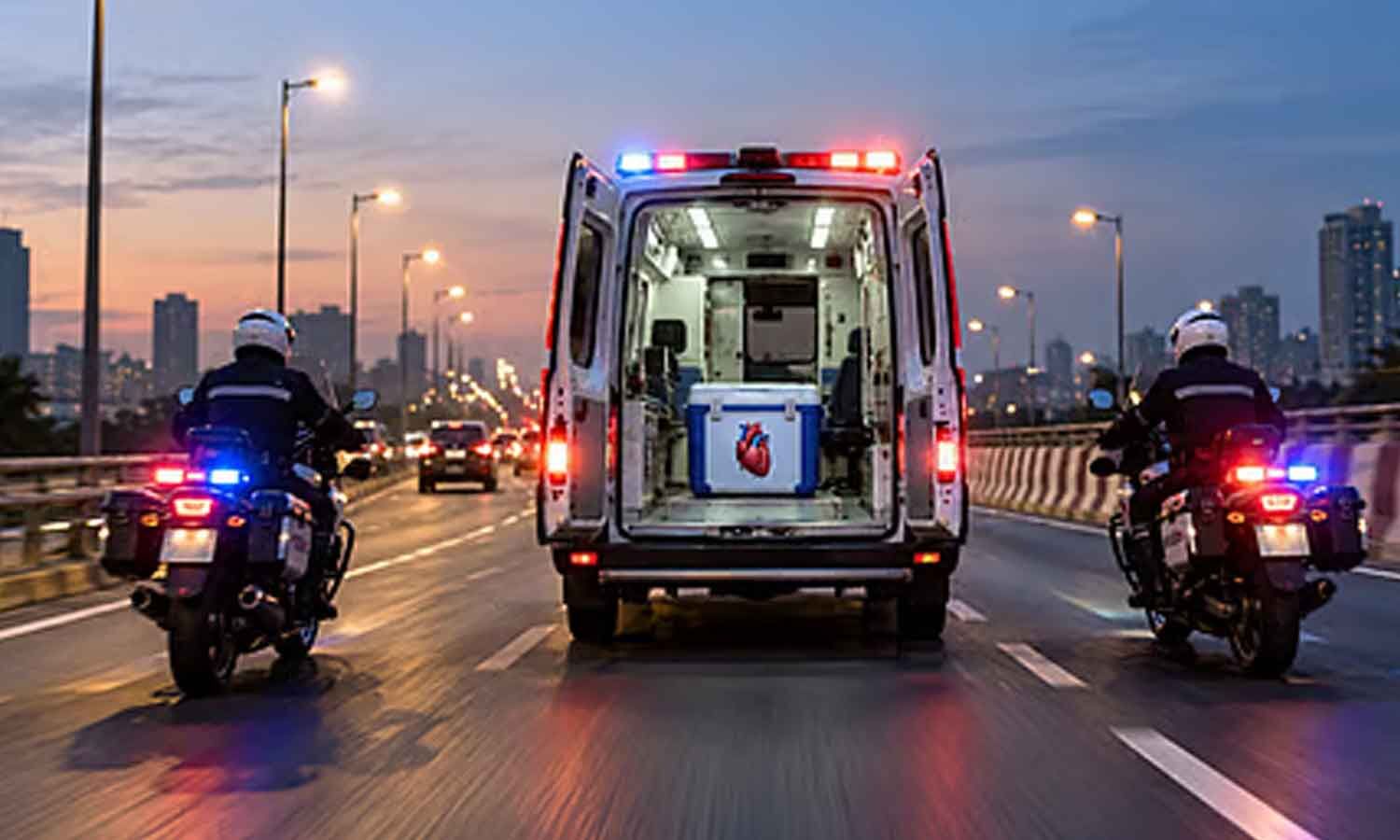
Donor Heart Travels 95 Km From Rohtak to Delhi
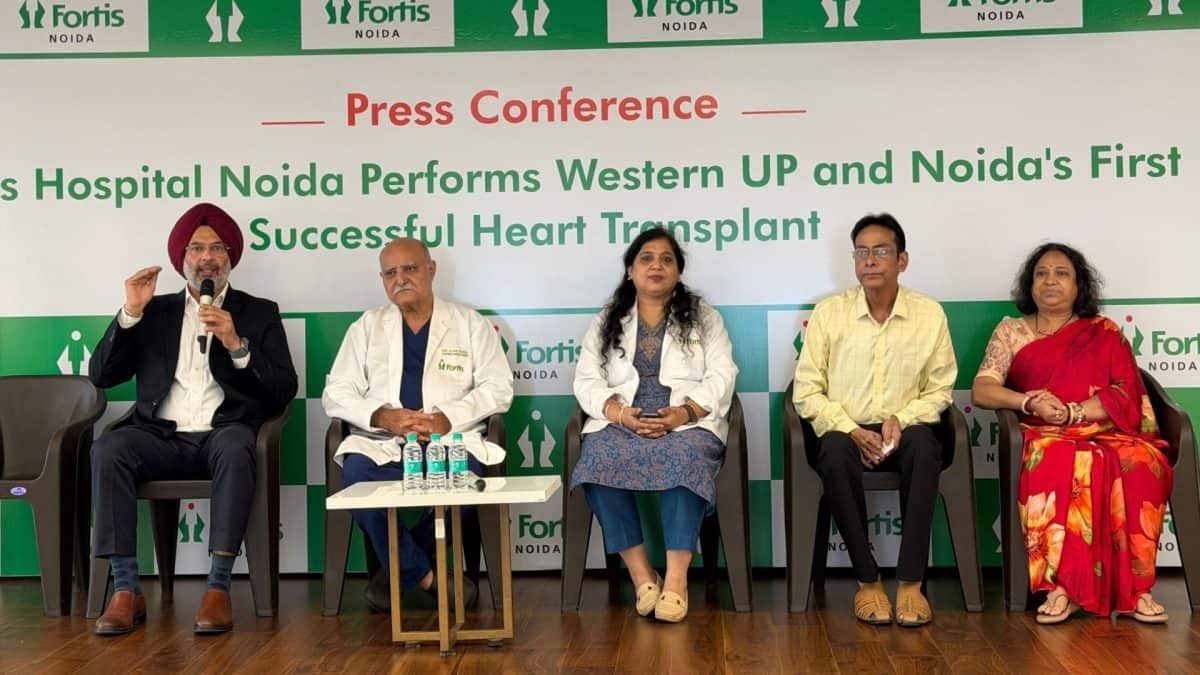
Donor Heart Reaches Noida in 16-Minute Green Corridor