

Archive · 20 Jul 2026
NASA Warns of Unlimited Solar Storm Impact
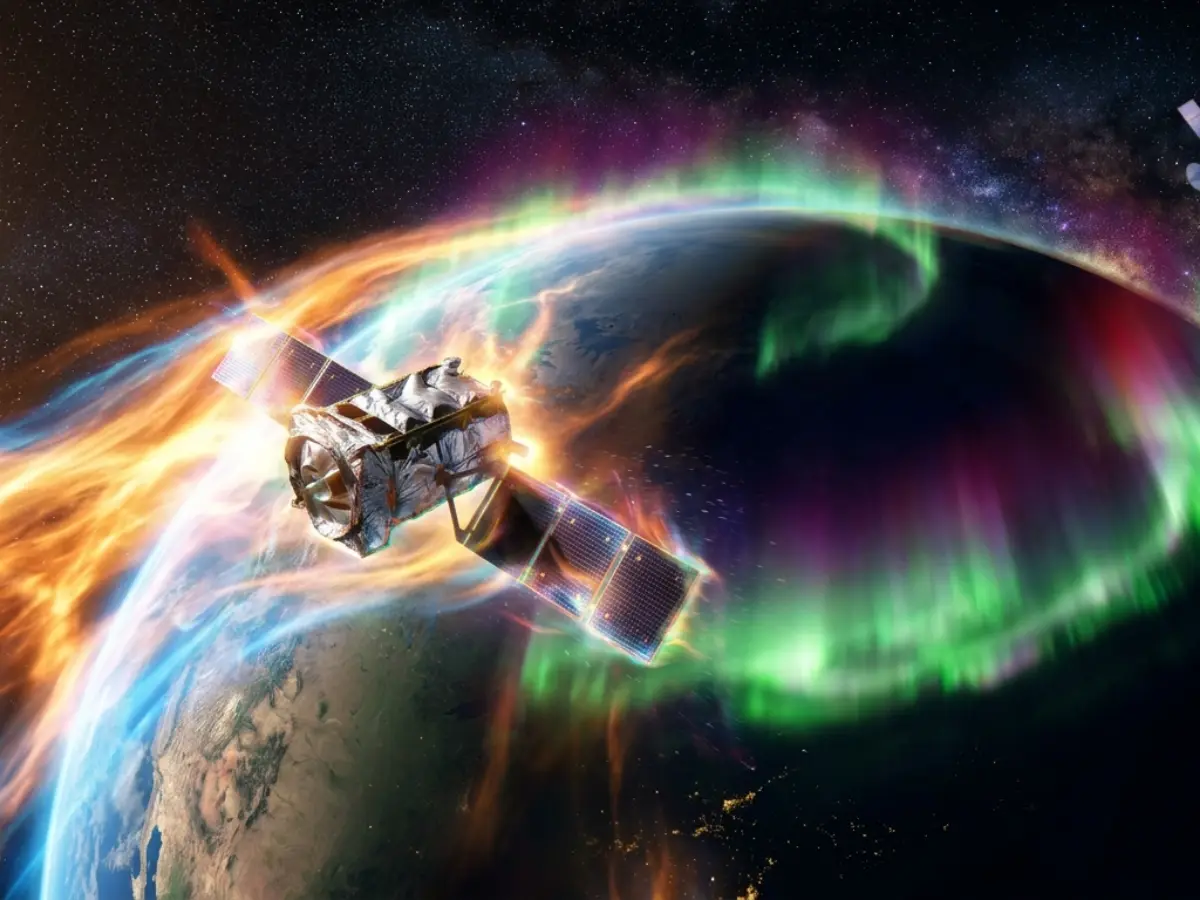
NASA scientists have found that we might be underestimating how powerful solar storms can be.
These storms can send a lot of energy towards Earth, and scientists thought there was a limit to how much energy could be transferred.
However, new research shows there might not be any upper limit.
This means that very strong solar storms, which are rare, could have bigger impacts on Earth than we previously thought.
The problem isn't with the tools we use to measure these storms, but with where these tools are placed.
They are located at points where they can't fully measure how the storms weaken before hitting Earth.
Scientists say we need to be more prepared for these extreme events.

NASA scientists warn that solar storm impacts on Earth may have no upper limit.
Current measurements underestimate the energy transferred to Earth's polar ionosphere.
Extreme solar storms are rare, limiting available data for study.
Measurement tools are correctly placed but fail to gauge dissipating effects.
Over a million solar wind measurements were analyzed to reach these conclusions.
- Who
- NASA scientists at Goddard Space Flight Center
- What
- Warning about underestimated solar storm impacts
- When
- Study published in Nature
- Where
- Earth's polar ionosphere
- Why
- Due to measurement inaccuracies and lack of upper limit evidence
Scientific Concern
Technical Limitation
Measurement Accuracy
Scientific Concern
Scientists warn that current measurements underestimate solar storm impacts.
Technical Limitation
Measurement tools are not faulty but are located at points where they fail to gauge dissipating effects.
- Study Source
- Nature
- Research Institution
- NASA’s Goddard Space Flight Center
- Measurement Tools
- THEMIS all-sky imager, MMS, DoubleStar
- Early Warning System
- NASA’s IMAP at Lagrange point one (L1)
- Data Points Analyzed
- Over a million solar wind measurements