

Archive · 23 Sep 2026
West Bengal Shuts 933 Zero-Enrolment Schools, Audits Assets
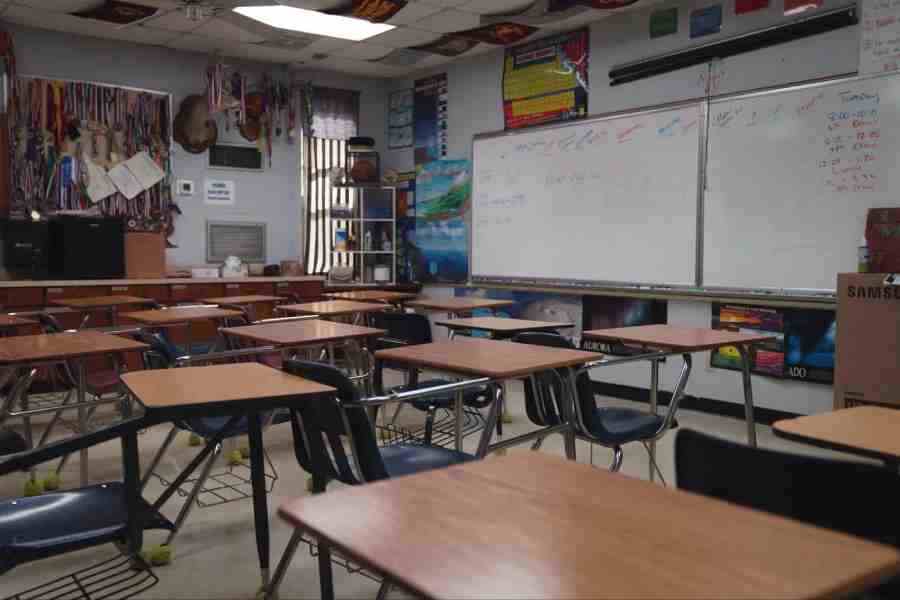
The West Bengal government has shut 933 schools because they had no students enrolling.
These schools reportedly had no admissions for five to 20 years.
Officials say empty buildings and land are not being used and may deteriorate.
District teams will visit the schools and check their buildings, land, classrooms and basic facilities.
They must send their findings to the government within 30 days.
Some properties could become health centres, training centres or community facilities.
The teams must also make sure children still have access to schools.
Although the schools are described as shut, officials may consider reviving some if that is practical.

West Bengal has shut 933 primary, upper-primary and secondary schools that recorded no admissions for five to 20 years.
District committees led by district magistrates will physically verify the schools and inventory their land, buildings, classrooms and other assets.
The committees must submit district-wise reports within 30 days, including recommendations on continuation, revival or alternative use.
Officials said unused infrastructure is deteriorating and could be converted into training, health, agricultural, community or public-service centres.
The government says the enrolment decline has persisted for decades, while Trinamool Congress MLA Kunal Ghosh blamed earlier policies and rising demand for private English-medium schools.
- Who
- The West Bengal government, the School Education Department, district magistrates and committees including district education officials.
- What
- The state has shut 933 zero-enrolment schools and ordered an audit to determine whether they should be revived or their infrastructure used for other public purposes.
- When
- The schools had no admissions for five to 20 years; the department’s memorandum was dated September 16, and reports are due within 30 days of its receipt.
- Where
- Across West Bengal, India.
- Why
- The government says the schools had no academic activity, their publicly funded infrastructure was underused or deteriorating, and the assets could serve other public purposes.
Government Closure and Reuse Position
Political and Continuation Concerns
Whether closure should be final
Government Closure and Reuse Position
The government says schools with no students have effectively stopped academic activity and that their unused land and infrastructure should be assessed for public use.
Political and Continuation Concerns
The department’s memorandum allows committees to examine revival or restructuring where feasible and requires them to ensure that no child is deprived of schooling facilities.
How to address the infrastructure
Government Closure and Reuse Position
Officials propose considering unused properties for training, health, agricultural, community or other public-service facilities, including through inter-departmental coordination.
Political and Continuation Concerns
The government says it is not in favour of handing the properties over entirely through the public-private partnership model, and any alternative use must be assessed by the committees and authorities.
Cause of declining enrolment
Government Closure and Reuse Position
The government describes zero enrolment as a longstanding and particularly acute problem, with infrastructure underused after years without admissions.
Political and Continuation Concerns
Trinamool Congress MLA Kunal Ghosh attributes the decline to policies during the Left Front period, including the withdrawal of English from primary education and delayed computer education, as well as growing preference for private English-medium schools.
- Schools affected
- 933 primary, upper-primary and secondary state-aided schools
- Enrolment record
- No admissions for periods ranging from five to 20 years
- Committee leadership
- District magistrates will head committees that include district education officials
- Audit scope
- Land, buildings, classrooms, ancillary facilities, playgrounds, amenities, accessibility and ownership status
- Report deadline
- District-wise reports are due within 30 days of the department’s communication
- Possible uses
- Training centres, health centres, agricultural and rural development centres, community facilities and public-service facilities
- Revival option
- Committees may examine revival or restructuring where feasible, while officials said the government does not favour fully transferring properties under a public-private partnership model
