

Archive · 2 Jan 2026
Experiential Design Reshaping Consumer Spaces in Restaurants
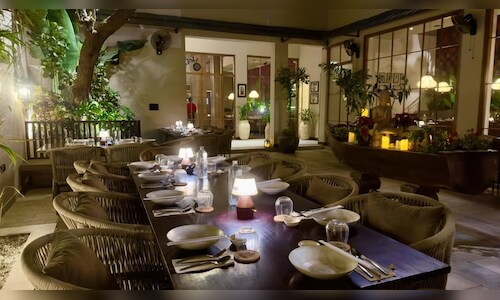
Deepak Gupta, the founder of Zuki, explains how restaurants are changing to become more than just places to eat.
They are now social and cultural spaces where the design and menu focus on creating a special experience.
Restaurants are using technology to make things easier, like digital menus and contactless payments, but they are also making sure the service stays warm and personal.
Gupta believes that the key to standing out is being authentic and consistent in everything from the food to the music.
Zuki aims to be a Pan-Asian dining destination that is both refined and approachable, building long-term relationships with guests.

Experiential dining is transforming restaurants into social and cultural spaces.
Restaurant design now prioritizes mood, flow, and sensory engagement over functional layouts.
Menus have evolved to encourage sharing, exploration, and conversation.
Technology like digital menus and contactless payments is standard, but personal hospitality remains crucial.
Authenticity and consistency in all elements are key to differentiating and building long-term guest relationships.
- Who
- Deepak Gupta, founder of Zuki
- What
- Experiential design reshaping consumer spaces in restaurants
- When
- Present and ongoing trend
- Where
- Urban settings, particularly in restaurants
- Why
- To create social and cultural spaces that prioritize mood, flow, and sensory engagement, moving beyond purely functional layouts
- Founder
- Deepak Gupta
- Restaurant Name
- Zuki
- Design Focus
- Mood, flow, sensory engagement
- Menu Evolution
- Sharing, exploration, conversation
- Technology Integration
- Digital menus, contactless payments
- Key Differentiation Factor
- Authenticity and consistency
- Cuisine Focus
- Pan-Asian