Archive · 3 Sep 2026
Russia to Close German Cultural Centres After Airport Drone Dispute
An explosives-carrying drone was found near a Ukrainian plane at a German airport.
Germany said Russia was responsible and closed some Russian diplomatic and cultural buildings.
Russia denied this and said the evidence had been planted.
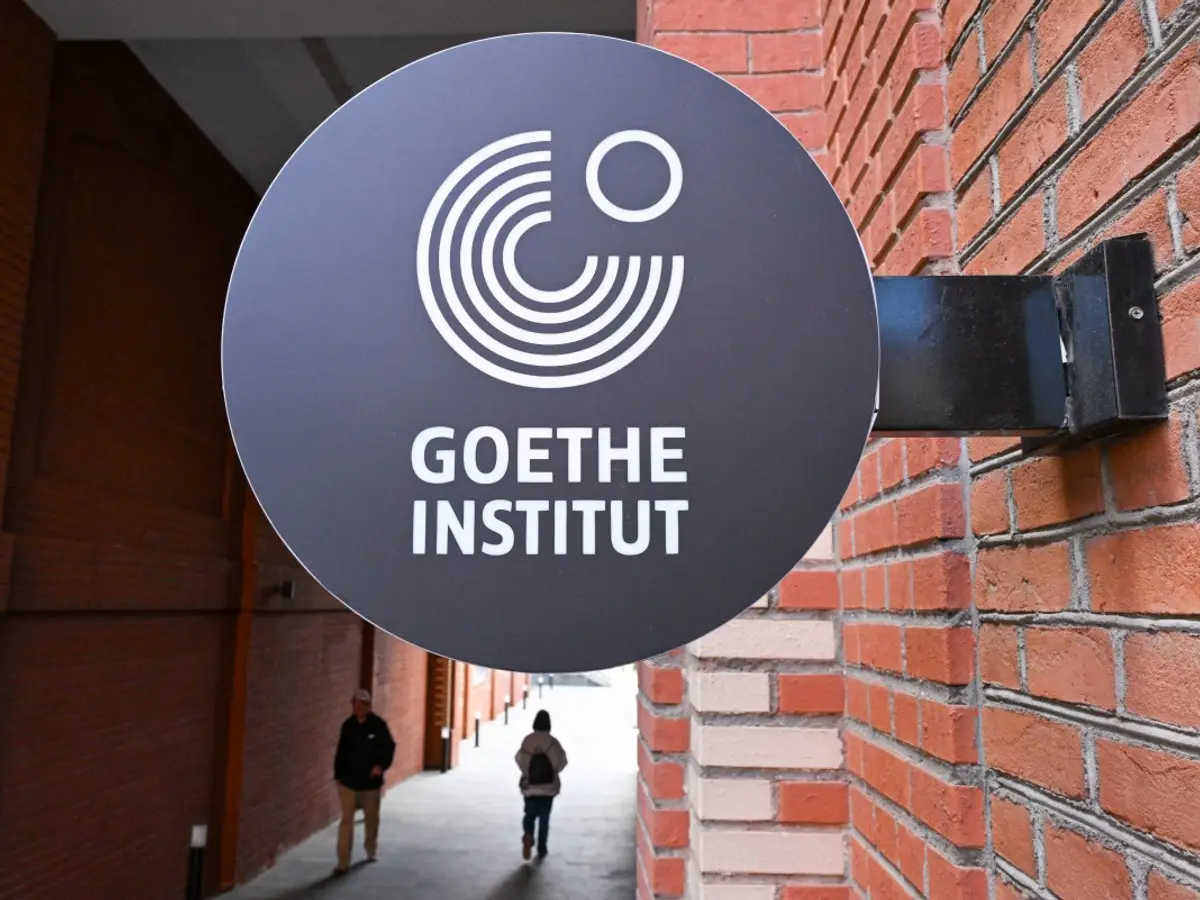
Russia then announced that it would close German Goethe-Institut centres in three cities.
The closures are part of a growing argument between the two countries.
European Union ministers discussed more sanctions and travel restrictions.
They also considered closing more Russian consulates.
Germany said it was not at war but was facing repeated hostile actions.
Germany called on Russia to hold talks, especially about Ukraine.

Russia will close Goethe-Institut centres in Moscow, Saint Petersburg and Yekaterinburg, Foreign Minister Sergey Lavrov said.
The move follows Germany’s closure of the Russian Consulate in Bonn and Russian House in Berlin.
Germany blamed Moscow for an attempted attack after an explosives-laden drone was found near a Ukrainian aircraft at Leipzig/Halle Airport on August 4.
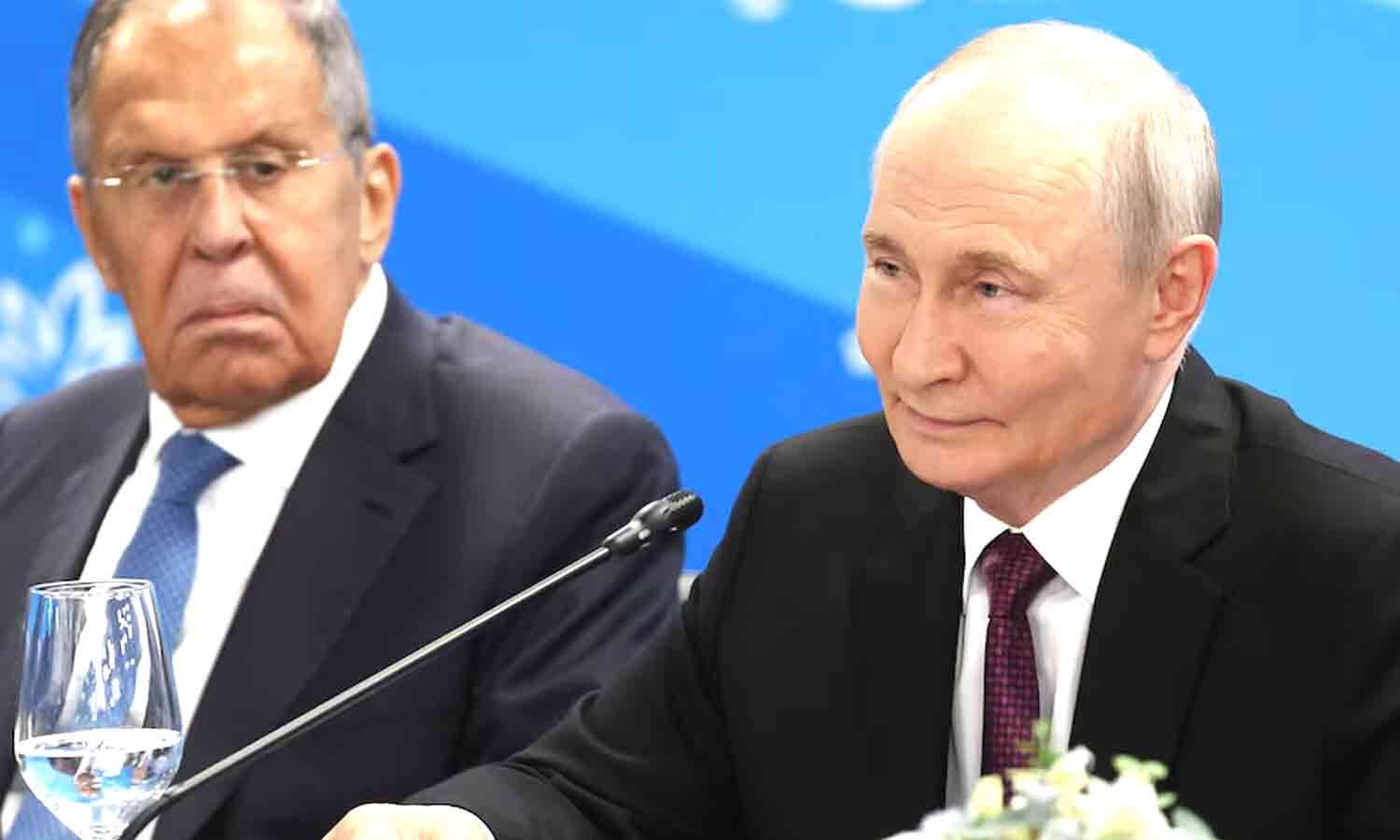
Russia rejected the accusation, with President Vladimir Putin saying evidence implicating Moscow had been planted.
European Union ministers discussed sanctions, visa restrictions and consulate closures while seeking a nonmilitary response.
- Who
- Russia, Germany, the European Union, and their officials, including Sergey Lavrov, Vladimir Putin, Kaja Kallas and Johan Wadephul.
- What
- Russia announced the closure of German Goethe-Institut centres after Germany closed Russian facilities and blamed Moscow for an attempted airport attack.
- When
- The drone was found on August 4; EU ministers met on Wednesday, and Lavrov announced the Russian closures on Thursday.
- Where
- The incident occurred at Leipzig/Halle Airport in Germany; the affected Goethe-Institut centres are in Moscow, Saint Petersburg and Yekaterinburg.
- Why
- Germany said Russia was behind the airport incident and responded by closing Russian facilities, while Russia described its cultural-centre closures as retaliation.
Germany and European Union
Russia
Responsibility for the airport incident
Germany and European Union
Germany accused Russia of being behind the attempted attack, while EU foreign policy chief Kaja Kallas said it had the hallmarks of state-sponsored terrorism.
Russia
Russia rejected the allegation. Vladimir Putin said Germany was trying to distract from its own problems and that evidence had been planted.
Diplomatic and cultural closures
Germany and European Union
Germany said it had carefully prepared its response, including closing Russian facilities, while EU ministers considered further sanctions and consulate closures.
Russia
Sergey Lavrov said closing the Goethe-Institut centres was necessary after Germany shut Russian House and the Russian Consulate in Bonn.
Next steps
Germany and European Union
Germany called on Russia to accept reasonable talks and negotiations, particularly on Ukraine, while the EU sought nonmilitary ways to respond.
Russia
Russia said Germany would have to live with the consequences of its actions and indicated it would retaliate for the consulate closure.
- Russian closures
- Goethe-Institut centres in Moscow, Saint Petersburg and Yekaterinburg are to close.
- German closures
- Germany closed the Russian Consulate in Bonn and Russian House in Berlin.
- Airport incident
- An explosives-laden drone was found near a Ukrainian aircraft at Leipzig/Halle Airport on August 4 and later defused.
- German allegation
- German officials accused Russia of conducting a hybrid attack and broader sabotage and disruption efforts.
- Russian position
- Vladimir Putin denied the accusation and said evidence had been planted to frame Russia.
- EU measures discussed
- EU ministers considered sanctions, visa restrictions, additional travel bans, asset freezes and closing Russian consulates.
- Existing EU sanctions
- Almost two dozen EU sanctions packages have affected more than 3,000 officials, oligarchs and entities.