

Archive · 28 Dec 2025
The End of Seasonal Eating
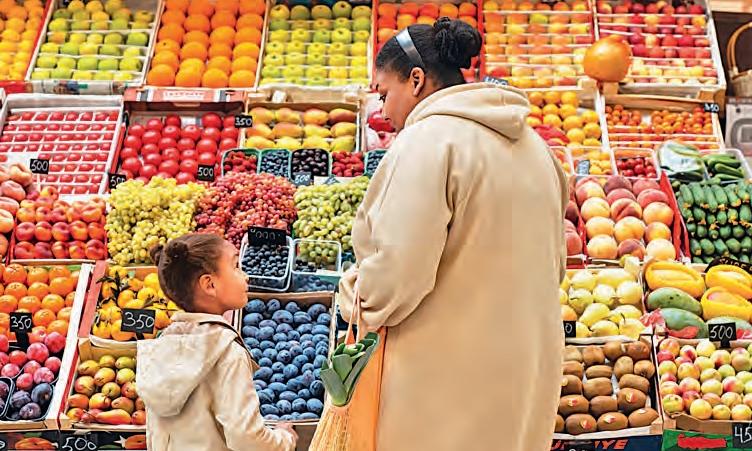
Once, people ate foods that were in season, like mangoes in summer and oranges in winter.
This was natural and good for health and the environment.
Now, because of technology and global trade, we can eat these foods anytime.
While this is convenient, it has some downsides.
Farmers have to work harder and take risks to grow food out of season.
The food might not be as nutritious, and it's worse for the environment because of all the transport and energy used.
Some people are starting to choose seasonal eating again for a healthier and more sustainable future.

Seasonal eating was once a necessity, aligning with natural cycles and supporting health.
Modern technology and global trade enable year-round availability of fruits and vegetables.
Farmers face both opportunities and pressures due to the demand for off-season produce.
Artificially ripened fruits often have lower nutritional value compared to naturally ripened ones.
Seasonless eating contributes to a heavier environmental footprint due to transport and energy-intensive farming.
- Who
- Farmers, consumers, agricultural experts, nutritionists, and environmental researchers.
- What
- The shift from seasonal to year-round food availability and its impacts.
- When
- The transformation has been gradual, driven by technological advancements and global trade.
- Where
- Primarily in urban areas and markets with access to imported and off-season produce.
- Why
- Consumer demand for consistency and convenience, technological advancements, and global trade.
- Traditional Seasonal Eating
- Food availability aligned with natural cycles, supporting digestion, immunity, and energy levels.
- Modern Food Availability
- Technology and global trade enable year-round availability of fruits and vegetables.
- Impact on Farmers
- Farmers face both opportunities and pressures due to the demand for off-season produce.
- Nutritional Concerns
- Artificially ripened fruits often have lower nutritional value compared to naturally ripened ones.
- Environmental Impact
- Seasonless eating contributes to a heavier environmental footprint due to transport and energy-intensive farming.
- Consumer Preferences
- Consumers are divided between convenience and the growing trend of seasonal eating for sustainability.
- Risks of Unseasonal Food
- Lower nutritional value, chemical residues, artificial ripening agents, increased carbon footprint, and negative impact on local farmers.