

Archive · 27 Jan 2026
India Aims for Semiconductor Leadership by 2035
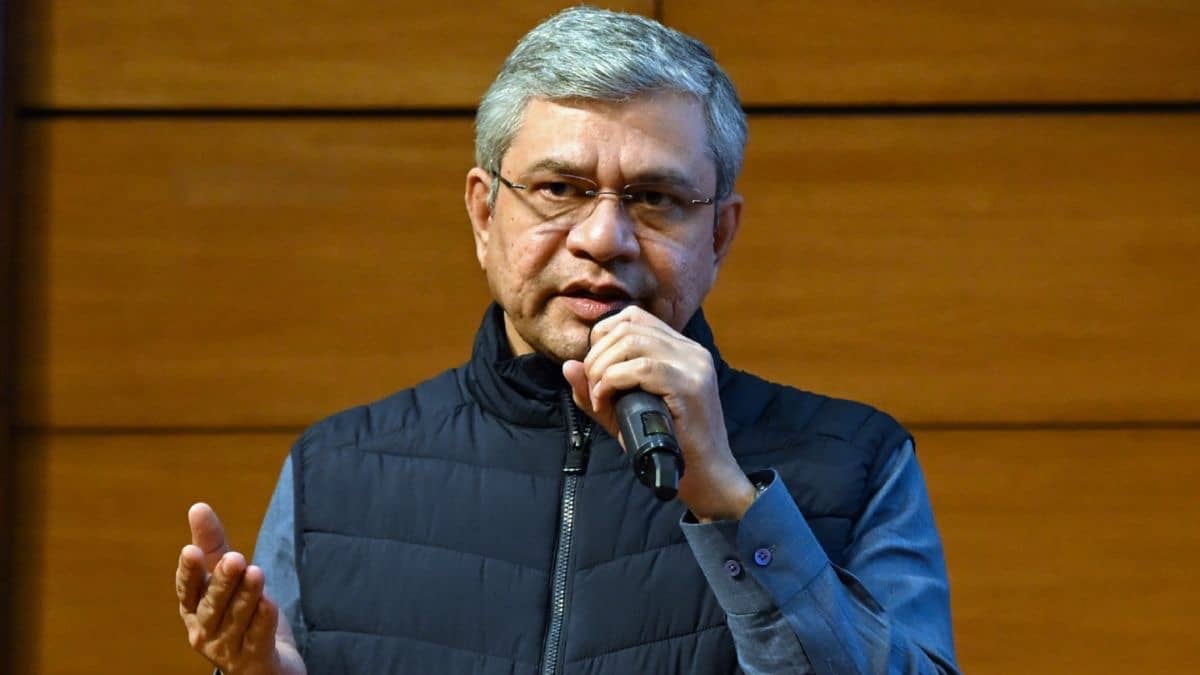
India's Minister for Electronics and Information Technology, Ashwini Vaishnaw, has set big goals for the country's semiconductor industry.
He wants India to become one of the most important semiconductor nations in the world by 2035.
To do this, India will create its own important parts, called Intellectual Property (IP), in six key areas: compute, RF, networking, power, sensor, and memory.
The Minister talked to 23 companies working on chip design and said that India has made a lot of progress in the last three to four years.
He mentioned that having access to special tools and the right skills will help India create these important parts.
The companies said that making these parts is hard, but the Minister believes it can be done with full support.
Once these parts are made, it will be easier for startups to get money to grow their projects.
The Minister also said that 10 projects are being built, and four will start production this year.
24 startups have already designed semiconductor chips, and students in 315 educational institutions have been trained to design chips.

India aims to become a leading semiconductor nation by 2035, developing its own IP in six critical systems.
Union Minister Ashwini Vaishnaw highlighted the progress of the Semicon India Programme and the DLI Scheme.
Access to free, sovereign EDA tools under C-DAC has given Indian companies a major advantage in chip design.
Industry participants noted the challenges in developing standard IPs like USB and PCIe, which require high-speed analog designs.
Vaishnaw emphasized that funding for startups becomes more accessible once a project is operational, moving beyond theoretical presentations.
- Who
- Union Minister for Electronics and Information Technology, Ashwini Vaishnaw, and 23 semiconductor chip design companies under the DLI Scheme
- What
- Setting a target for the development of indigenous analog IPs and aiming to become a leading semiconductor nation by 2035
- When
- The journey started three to four years ago, with a target of 24 months for simpler IPs and 36 months for a suite of analog IPs
- Where
- India
- Why
- To position India in the global chip industry, make funding more accessible for startups, and develop critical semiconductor technologies
- Minister
- Ashwini Vaishnaw
- Program
- Semicon India Programme
- Scheme
- Design Linked Incentive (DLI) Scheme
- Target Timeline
- 24 months for simpler IPs, 36 months for suite of analog IPs
- Key Tools
- Electronic Design Automation (EDA) tools
- Challenges
- Indigenous development of standard IPs like USB and PCIe
- Support
- Free, sovereign access to EDA tools under C-DAC
- Key Systems for IP
- Compute, RF, networking, power, sensor, and memory
- Project Milestones
- 10 projects under construction, 4 projects to start production this year, 24 startups have designed chips
Sources
Ashwini Vaishnaw Sets a Target of 24 Months To Develop Indigenous Analog IPs
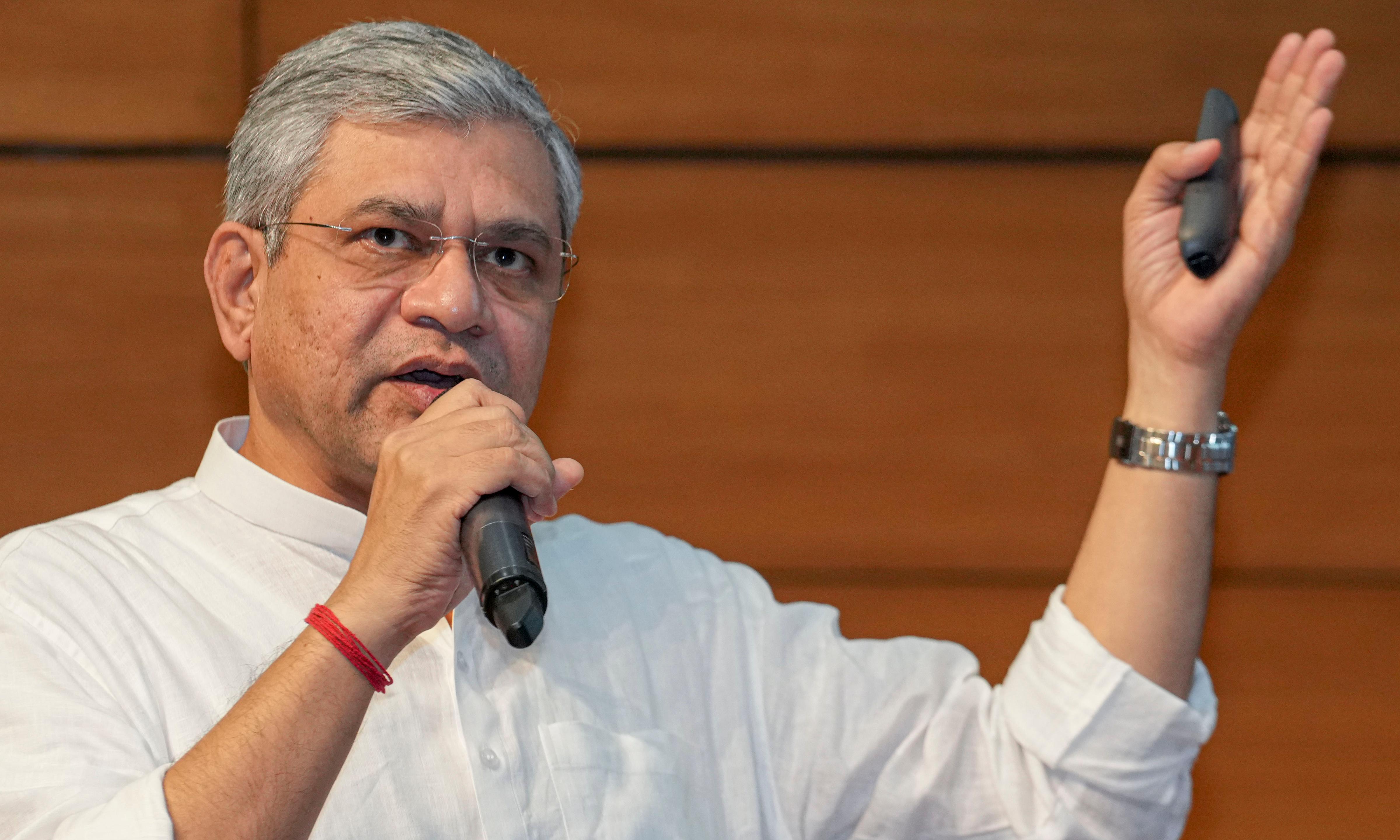
Govt Aims To Make 3-Nanometre Chips By 2032: Ashwini Vaishnaw
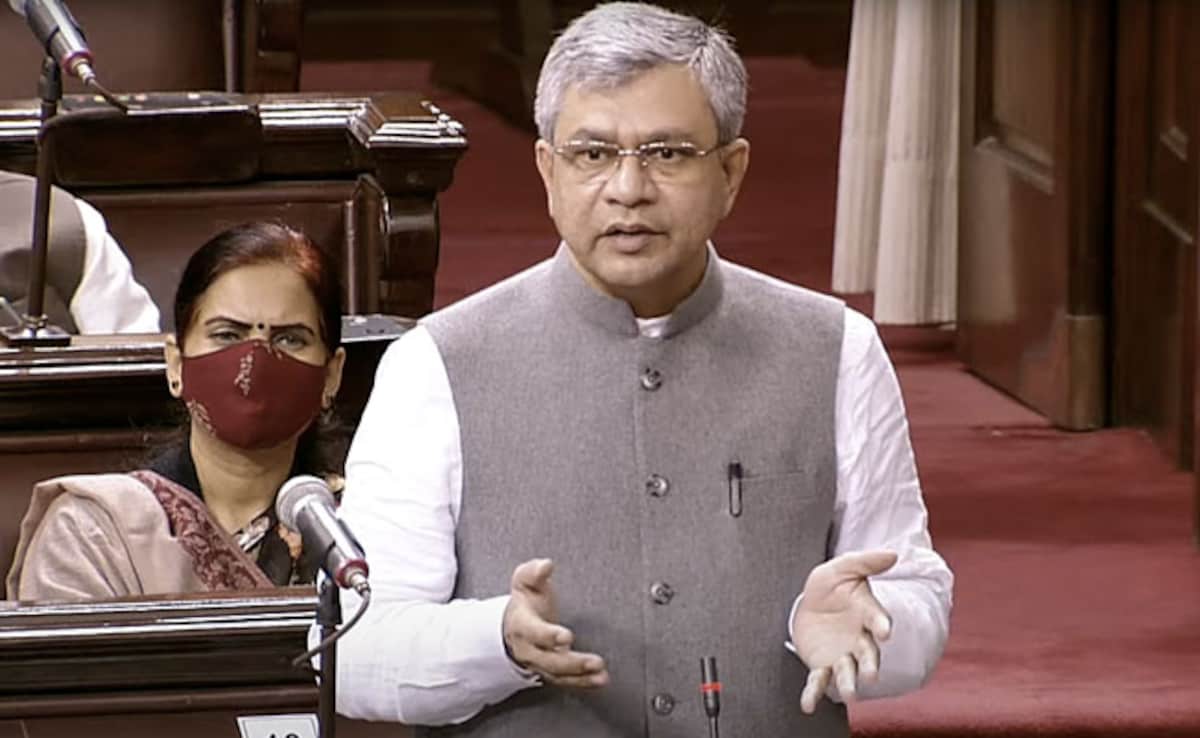
India To Be Among Important Semiconductor Nations By 2035: Ashwini Vaishnaw

India targets to make high-tech small chips of 2-3nm by 2032: Vaishnaw

After SCL Mohali, Tata's Dholera plant to help startups build prototype chips
