Archive · 29 Jan 2026
Underwater Tsunamis from Doomsday Glacier Threaten Global Sea Levels
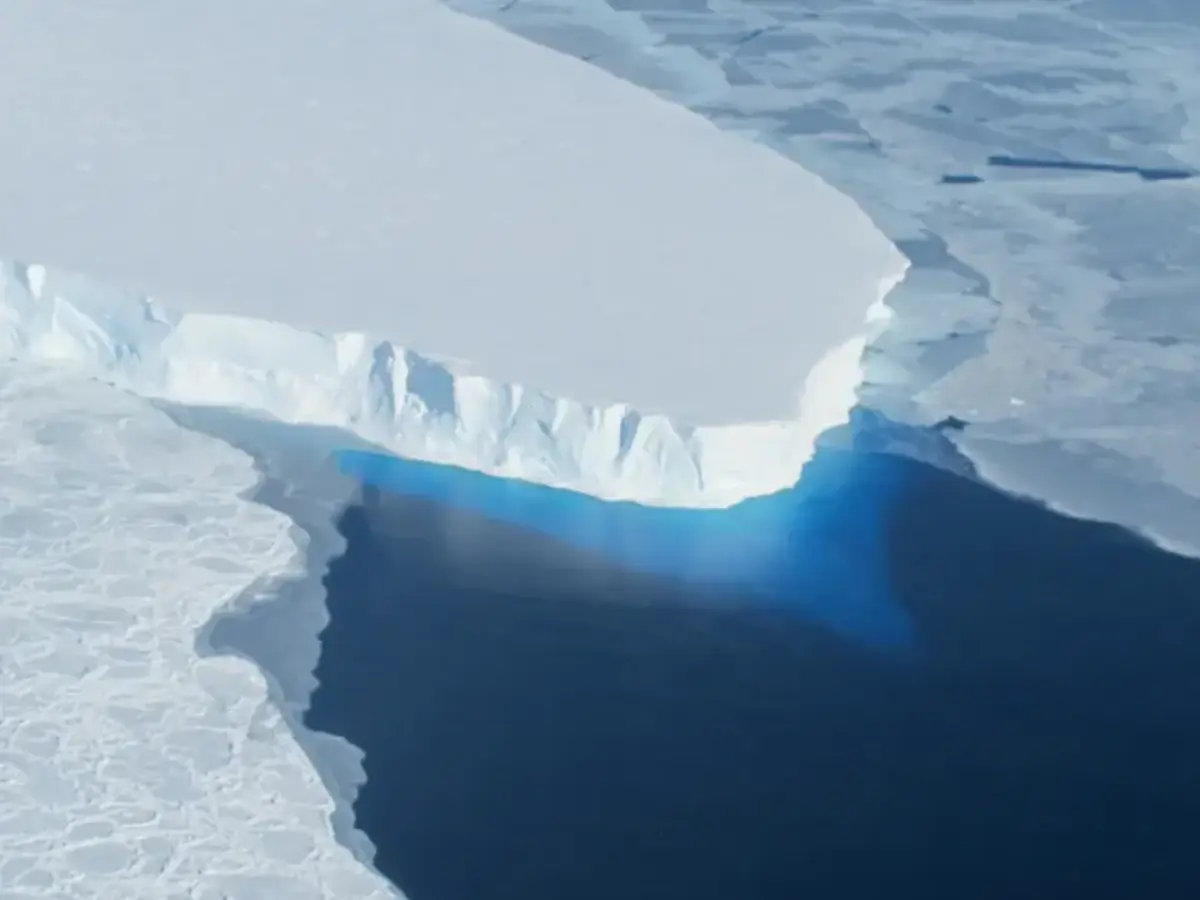
Scientists are studying a big glacier in Antarctica called the Doomsday Glacier.
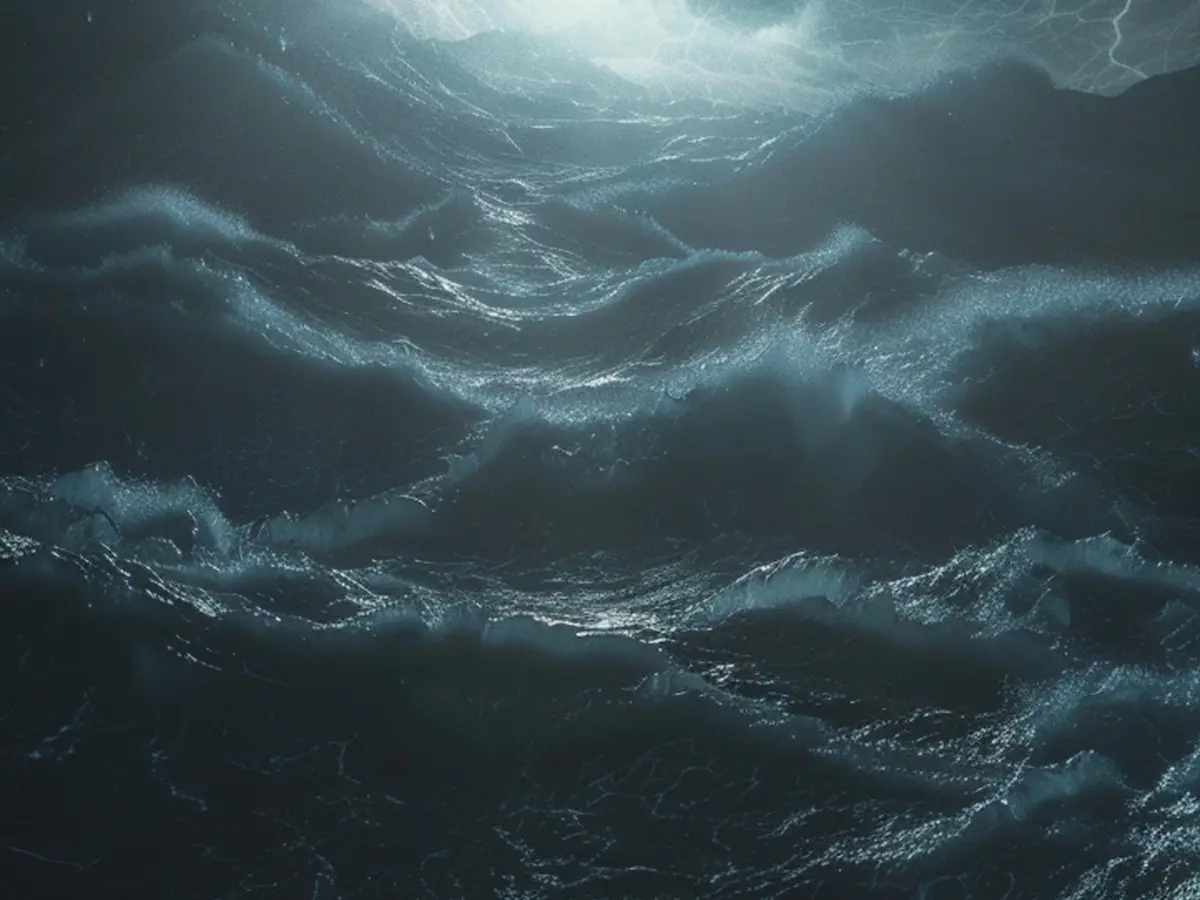
When pieces of this glacier break off, they create huge underwater waves, like tsunamis, that can be as tall as a 30-story building.
These waves mix warm and cold water, which makes the ice melt faster.
If the whole glacier melts, it could raise sea levels around the world by up to 10 feet.
Scientists are using special underwater drones to study these waves.
They also set up a camp on the glacier to put sensors in the ice to learn more about how it's melting.
They have to work quickly because the glacier is melting fast and their ship has to leave soon.

Underwater tsunamis triggered by Thwaites Glacier collapse can reach heights of 30 to over 300 feet.
These tsunamis mix warm and cold water, accelerating ice melt and sea level rise.
A 10-member team set up a camp on the glacier to place monitoring equipment before it vanishes.
If the glacier collapses entirely, global sea levels could rise by up to 10 feet.
Scientists recorded 245 glacial earthquakes near the glacier between 2010 and 2023, indicating its instability.
- Who
- Scientists and researchers studying Thwaites Glacier
- What
- Underwater tsunamis triggered by glacier collapse and glacial earthquakes
- When
- Ongoing, with a critical expedition deadline of February 7
- Where
- Thwaites Glacier, Antarctica
- Why
- To understand and predict the impact of glacier collapse on sea levels and climate change
- Glacier Name
- Thwaites Glacier (Doomsday Glacier)
- Underwater Tsunami Height
- 30 to over 300 feet
- Potential Sea Level Rise
- 2 feet (partial collapse), 10 feet (full collapse)
- Study Method
- Underwater torpedo drones
- Expedition Team Size
- 10 members
- Expedition Deadline
- February 7
- Glacial Earthquakes Recorded (2010-2023)
- 245