6 hrs ago
Karnataka Rejects Cauvery Order to Release Water to Tamil Nadu
Karnataka and Tamil Nadu are discussing how much Cauvery water should be released.
A committee directed Karnataka to send 4,000 cusecs of water to Tamil Nadu.
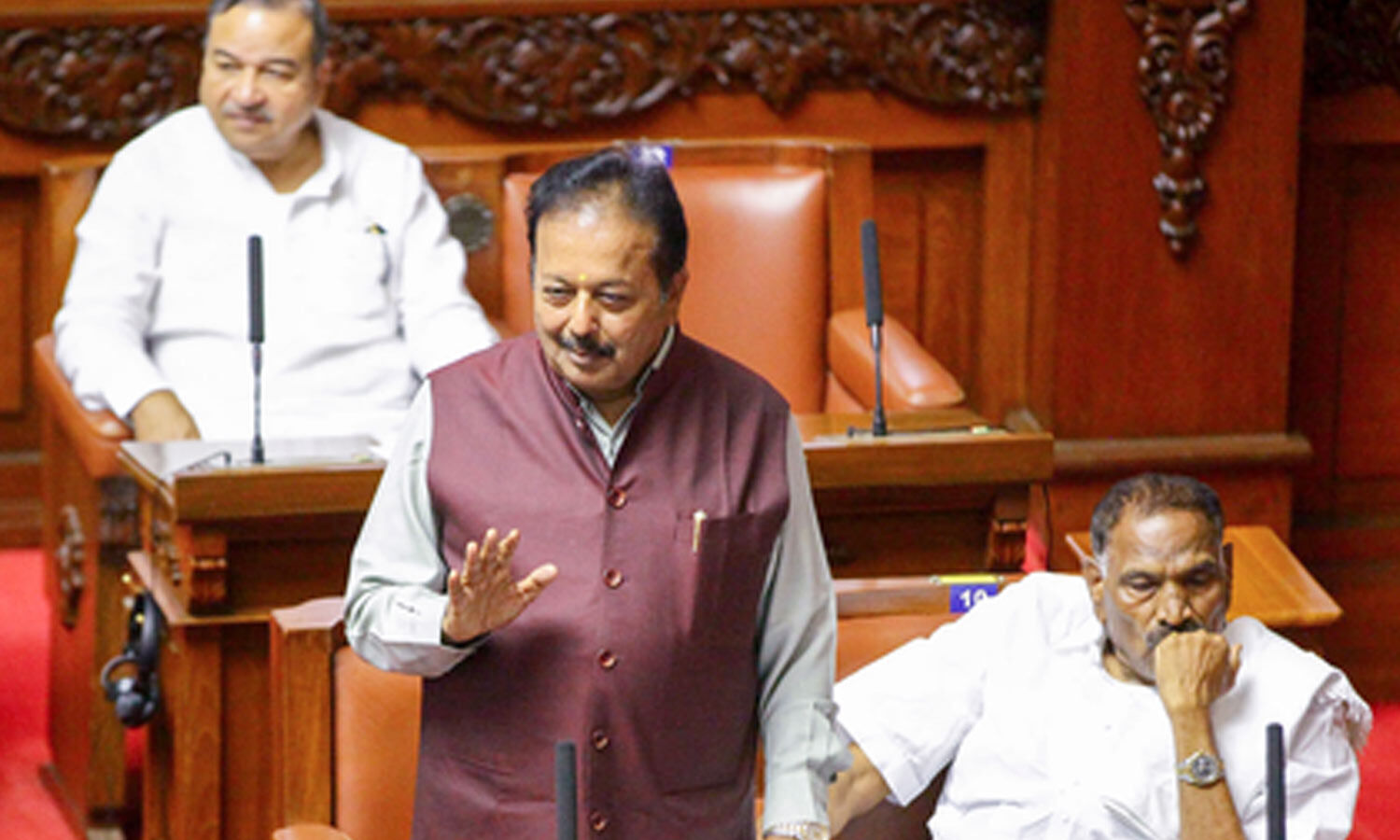
Karnataka’s minister said the state cannot do this because it is facing drought and low reservoir levels.
He said Karnataka needs water for people in Bengaluru, nearby towns and standing crops.
Karnataka asked for the amount to be reduced to 3,000 cusecs.
The state also said some water would naturally flow downstream.
Karnataka reported that rainfall was much lower than normal.
It plans to take its concerns to a tribunal and seek legal advice.
Tamil Nadu’s water position was described differently by Karnataka, which said Tamil Nadu had substantial water in its reservoirs.

Karnataka’s water resources minister rejected a directive to release 4,000 cusecs to Tamil Nadu.
The state cited drought, below-normal rainfall, declining reservoir levels and falling inflows.
Karnataka requested that the release be reduced to 3,000 cusecs, noting that 2,500 cusecs would flow naturally downstream.
The state said its four Cauvery reservoirs held 49.775 TMC, or 47.60% of capacity.
Karnataka plans to present its concerns before the tribunal and consult legal experts.
- Who
- Karnataka Water Resources Minister N. Cheluvarayaswamy, Karnataka authorities, the Cauvery Water Regulation Committee, the Cauvery Water Management Authority and Tamil Nadu.
- What
- Karnataka said it cannot accept a directive to release 4,000 cusecs of Cauvery water and requested a reduction to 3,000 cusecs.
- Where
- The dispute concerns the Cauvery basin, Karnataka’s reservoirs and downstream flows to Tamil Nadu.
- When
- The minister made the statement on Thursday; the cited rainfall period was June 1 to September 22.
- Why
- Karnataka cited drought, rainfall deficits, declining inflows and the need to protect drinking-water supplies, environmental flows and crops.
Karnataka’s position
Water-release directive
Amount of water
Karnataka’s position
Karnataka requested that the release be reduced from 4,000 cusecs to 3,000 cusecs, saying 2,500 cusecs would flow naturally downstream.
Water-release directive
The Cauvery Water Regulation Committee directed Karnataka to release 4,000 cusecs, and the Cauvery Water Management Authority upheld that directive.
Water availability
Karnataka’s position
Karnataka said drought, low rainfall, declining reservoir levels and inflows made the directed release impossible.
Water-release directive
The authorities maintained the 4,000-cusecs directive; Karnataka said its concerns about ground conditions were not adequately considered.
Reservoir position
Karnataka’s position
Karnataka said it needed available water for drinking supplies, environmental flows and standing kharif crops.
Water-release directive
Karnataka argued that Tamil Nadu had 52.177 TMC in its reservoirs and could remain comfortable without additional releases.
Key facts
- Directed release
- 4,000 cusecs to Tamil Nadu
- Karnataka request
- Reduce the release to 3,000 cusecs
- Reservoir storage
- 49.775 TMC, equal to 47.60% of capacity, across the four cited reservoirs
- Rainfall
- 406.5 mm recorded against a normal 643.4 mm from June 1 to September 22
- Reservoir inflows
- Approximately 2,200 cusecs
- Earlier release
- Karnataka released 38.637 TMC at Biligundulu between July 29 and September 23
- Drought declaration
- Karnataka said 71% of Cauvery-basin taluks, covering 75% of the area, were declared drought-hit
Quotes
N. Cheluvarayaswamy
Karnataka Water Resources Minister
“In the midst of a Super El Nino and drought conditions, how is it possible to release water? Our neighbouring state Tamil Nadu should also understand this situation”
 thehansindia.com
“The water available with us has reduced further. How can we release 4,000 cusecs now?”
thehansindia.com
Sources
Related news

Karnataka Challenges Cauvery Panel’s Order to Release Water
Karnataka Cauvery Water Appeal Set for Supreme Court Hearing

Karnataka to Present Water Crisis Case Before Cauvery Authorities
Supreme Court Seeks Karnataka Reply on Cauvery Water Shortfall
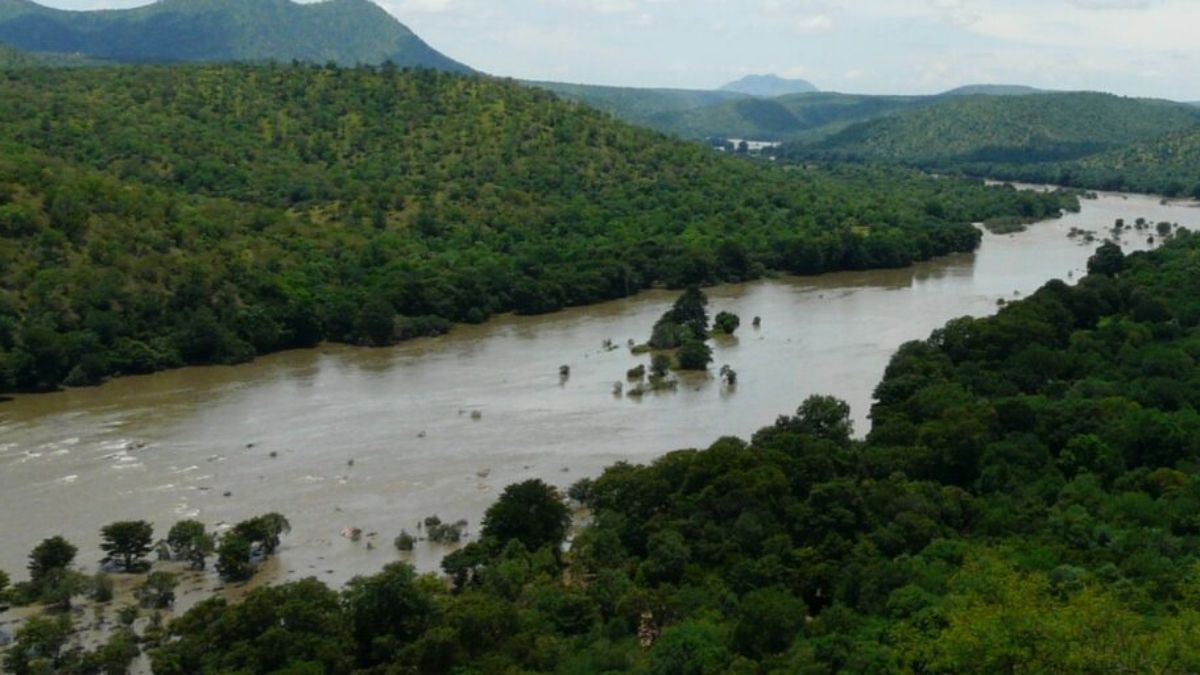
Cauvery Water Dispute Intensifies Amid Severe Regional Rainfall Deficit

Digi Yatra Plans International Departure Pilot at Five Indian Airports

IIT Bombay Graduate’s AI Becomes Successor to Drift

Bengaluru Police Set Guidelines on Public Complaints
Supreme Court Sets POCSO Safeguards in Matrimonial Disputes