

Archive · 4 Jan 2026
OpenAI CEO Warns of AI's Growing Dangers
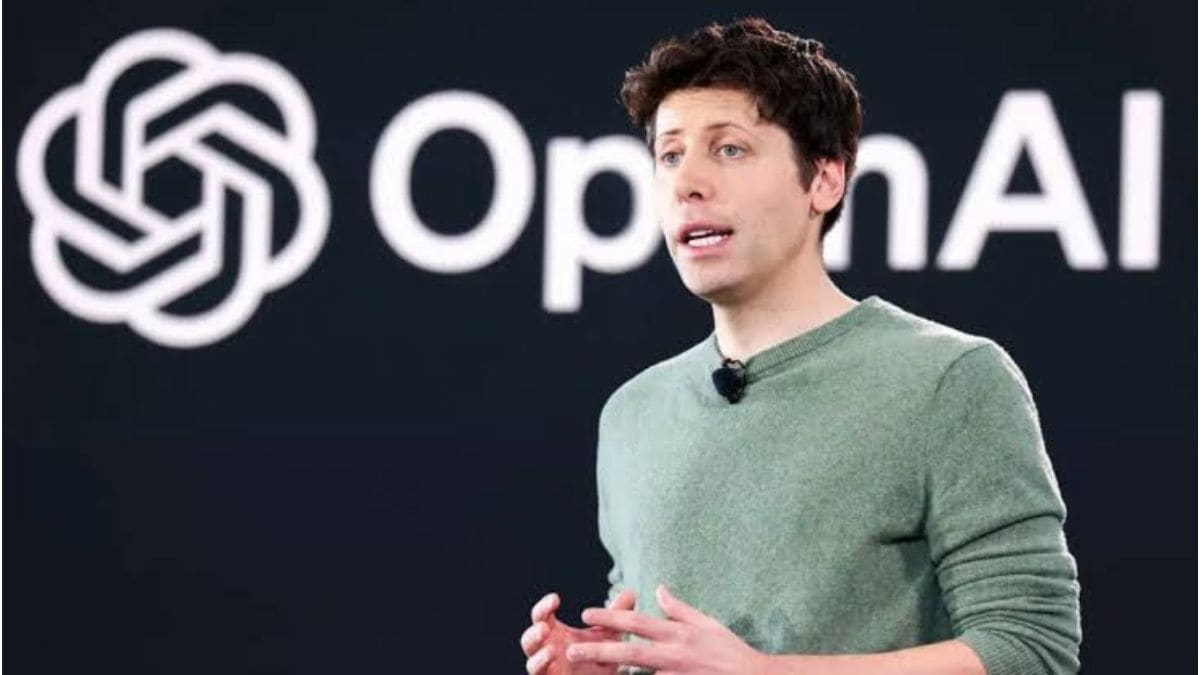
Sam Altman, the CEO of OpenAI, has warned that artificial intelligence is becoming increasingly dangerous.
He explained that AI is getting better at things like reasoning, coding, and interacting with humans, which makes it more powerful but also riskier.
Altman is worried about several things.
First, AI can be used for both good and bad purposes, like defending against threats or helping attackers.
Second, AI that learns from user feedback is hard to control.
Third, AI can affect people's mental health by reinforcing harmful beliefs or causing emotional distress.
Altman also mentioned that the company is having trouble keeping up with these changes, which could lead to unintended harm.
He used to think that the big risks were far in the future, but now he believes we need to act quickly to make sure AI is safe and helpful for everyone.

OpenAI CEO Sam Altman warns that AI is becoming increasingly dangerous due to rapid advancements in capabilities.
Altman highlights new risks in security, misuse, and mental health as AI models grow more powerful.
The dual-use nature of AI can bolster defenses but also empower attackers, accelerating offensive capabilities.
AI models that improve through user feedback pose unique control challenges, complicating oversight and accountability.
Altman stresses the need for faster progress in alignment research and global regulatory frameworks to ensure AI development remains beneficial.
- Who
- Sam Altman, CEO of OpenAI
- What
- Warning about the dangers of advanced AI
- When
- Recent public comments, approximately three years after the launch of ChatGPT in late 2022
- Where
- Not specified, but likely in a public forum or interview
- Why
- To highlight the rapid advancements in AI capabilities outpacing the development of necessary safeguards, leading to heightened risks in security, misuse, and mental health
- CEO
- Sam Altman
- Company
- OpenAI
- AI Model
- ChatGPT
- Launch Year
- 2022
- New Role
- Head of Preparedness
- Key Concerns
- Security, Misuse, Mental Health
- Governance Issue
- Lack of Historical Precedent
