

Archive · 26 May 2025
Short Selling Explained: How It Works in the Stock Market
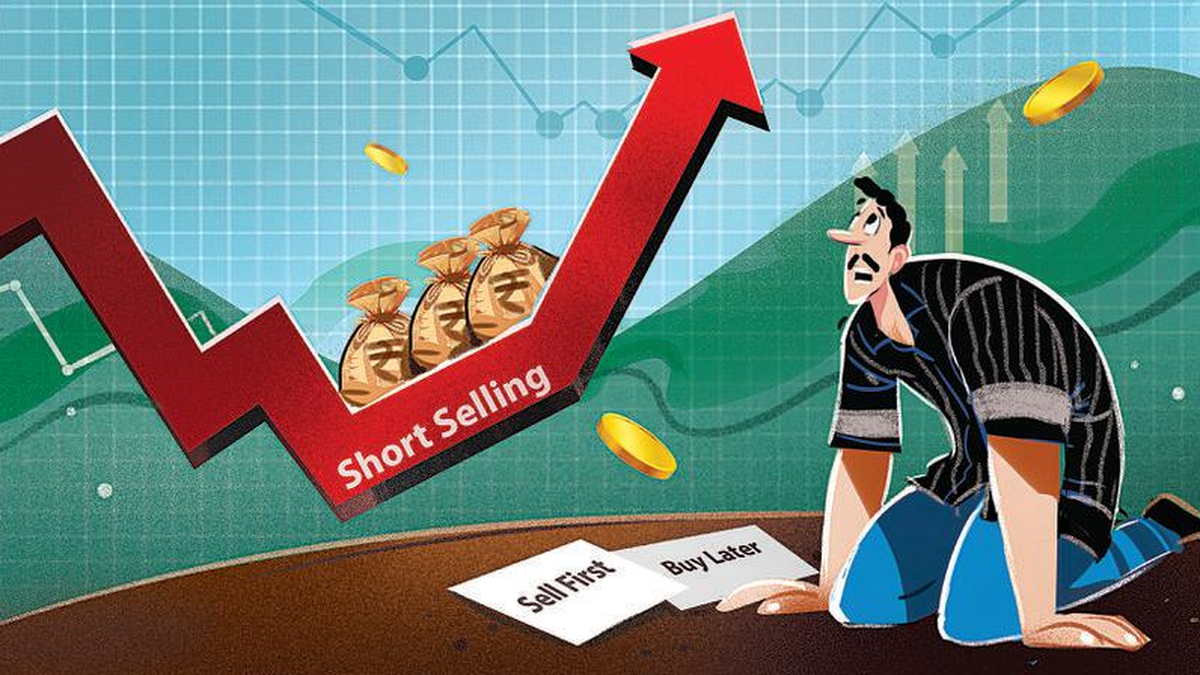
Imagine you borrow a toy car and sell it, hoping its price will drop.
Short selling is like that.
You sell a stock you don't own, with the plan to buy it back later at a lower price, pocketing the difference.
If the price goes down, you win; if it goes up, you lose.
It's like betting against the stock market.
This is different from buying low and selling high, the usual investment method.
You have to buy back the stock, so you have to make sure you can afford to do this before the market closes, or you will face a penalty.
Short selling is risky and only for experienced investors because of this.

Short selling involves selling borrowed stocks with the expectation of buying them back at a lower price.
It contrasts with traditional investing where you buy low and sell high.
Shorting can occur in spot and futures markets, with different timeframes for covering the position.
Successful short selling profits when the stock price declines.
It is considered risky, especially for new investors due to potential penalties and market volatility.
- Who
- Investors, particularly those who believe a stock's price will fall.
- What
- Short selling is a trading strategy where investors sell borrowed stocks, hoping to buy them back at a lower price.
- When
- In the spot market, short selling positions must be closed on the same day; in the futures market, positions can be held longer.
- Where
- Short selling occurs in equity markets, specifically the spot market and the futures market.
- Why
- Investors short sell to profit from anticipated price declines.
- Definition
- Selling a stock you don't own, with the intention of buying it back later.
- Objective
- Profit from a decrease in stock price.
- Markets
- Spot market (intraday) and futures market (longer holding)
- Risk
- High due to the potential for losses if the price increases and penalties for failure to deliver shares.
- Obligation
- To return the borrowed shares to the broker.