

Archive · 19 Sep 2025
Grief, Bloating, and Weight Gain: The Body's Response
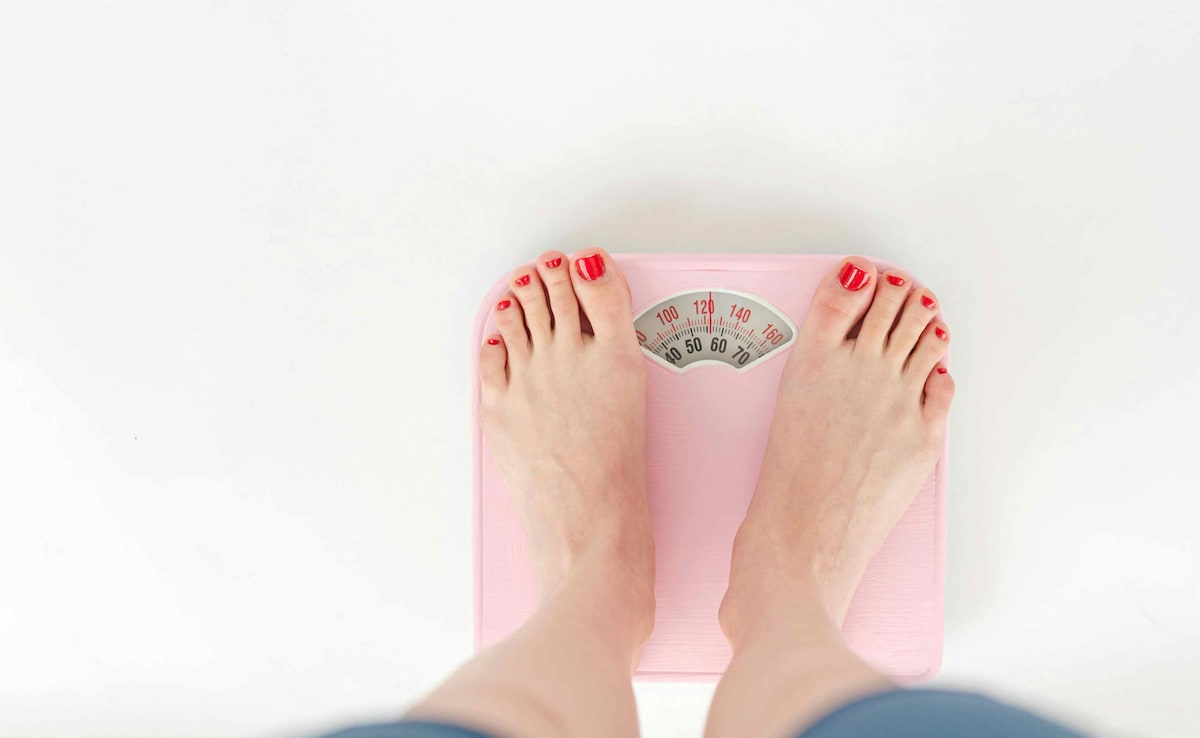
Sometimes, our bodies hold onto sadness and stress from things that have happened to us.
This can cause our bodies to change, like gaining weight or feeling bloated.
Experts say that when we keep our feelings inside, it can affect our bodies.
This can lead to higher levels of stress hormones like cortisol, which can make us want to eat more or store fat.
It's important to remember that this isn't a sign of weakness and that it's natural.
To cope, try things like deep breathing, gentle exercise, and talking to someone about how you feel.
Eating healthy foods and being kind to yourself is also key.

Unexpressed grief and trauma may manifest physically as weight gain and bloating.
Stress from grief can lead to higher cortisol levels, increasing appetite and fat storage.
Stress-related fat often accumulates in the abdomen.
Experts suggest therapy, exercise, and balanced nutrition to manage the effects.
The body is signalling emotional distress, not just the need for stricter diets or exercise.
- Who
- Experts, and individuals like Garima Surana, share insights on the topic.
- What
- Exploration of the connection between unexpressed grief, trauma, and physical symptoms like bloating and weight gain.
- When
- The article references recent experiences and expert opinions.
- Where
- The issue is discussed generally, with experts based in India.
- Why
- To understand the body's response to emotional stress and identify coping mechanisms.
- Main Issue
- Weight gain and bloating linked to unprocessed grief and trauma.
- Key Hormone
- Cortisol (stress hormone)
- Expert 1
- Nishtha Jain, Counselling Psychologist at Lissun
- Expert 2
- Dr. Prabhojit Mohanty, Psychiatrist
- Expert 3
- Dr. Yashawant Kumar, Nutrition Expert
- Suggested Actions
- Therapy, exercise, balanced diet, self-compassion