

Archive · 20 Sep 2026
Why Newspapers Should Never Wrap Food, Health Experts Explain
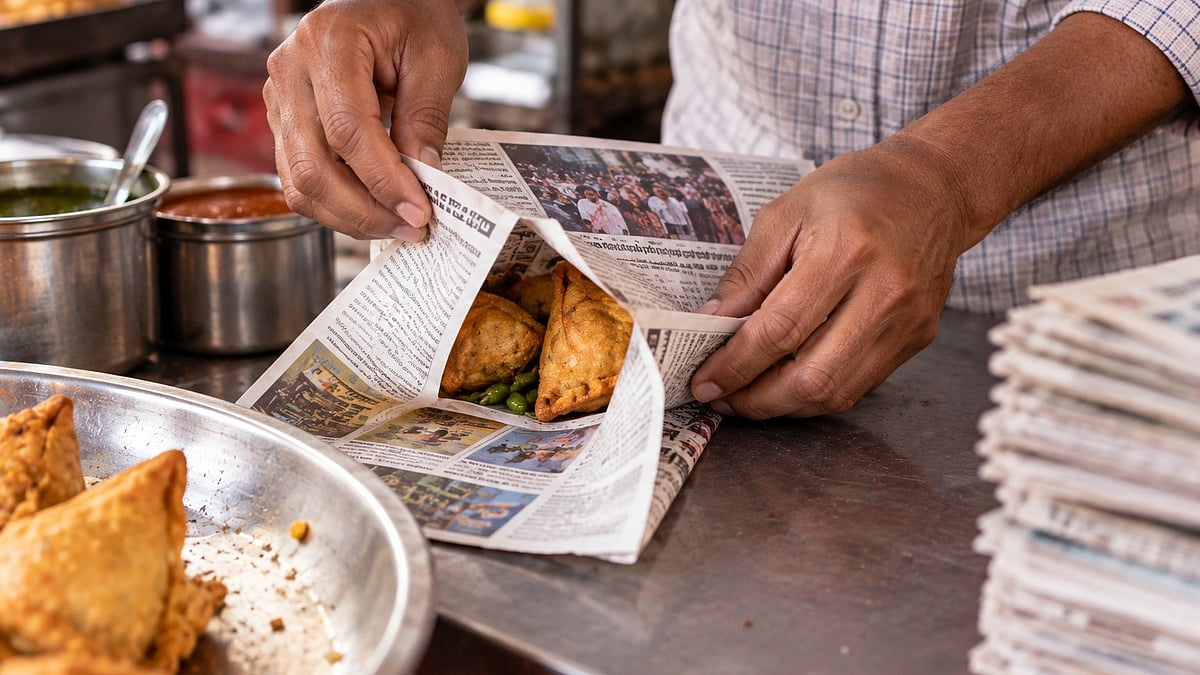
Newspapers are made for reading, not for touching food.
Their ink and paper may transfer unwanted substances to food.
This is more likely when the food is hot, oily, or wet.
Newspapers can also carry germs that may upset your stomach.
Eating food wrapped in newspaper once may not make you sick, but repeated exposure may be harmful.
Use containers or wrapping labeled as food-safe instead.
Let hot food cool unless its container is designed for hot food.
Keep perishable food cold, covered, and away from room-temperature storage for too long.

Newspapers are not approved for direct food contact, especially with hot, greasy, or moist foods.
Heat and oil can encourage chemicals from paper or printing inks to migrate into food.
Short-term exposure may introduce harmful microbes that cause nausea, vomiting, or stomach discomfort.
Repeated exposure to printing inks, dyes, and chemicals may potentially affect liver and kidney function.
Food-grade paper, parchment, steel, glass, suitable plastic, foil, and silicone are safer alternatives when used correctly.
- Who
- People who store or carry food, particularly in India.
- What
- Health experts warn against wrapping food directly in newspapers and recommend food-safe alternatives.
- When
- The risk is greater with repeated exposure and when hot, greasy, or moist food is placed on newspaper.
- Where
- The practice is discussed in the context of India.
- Why
- Newspaper inks, paper chemicals, and microbes may contaminate food and potentially create short- or long-term health risks.
- Main concern
- Newspapers are not approved for direct contact with food.
- Higher-risk foods
- Hot, greasy, or moist foods can increase the movement of substances from paper or ink into food.
- Short-term effects
- Potential symptoms include nausea, vomiting, and stomach discomfort.
- Long-term concern
- Repeated exposure may potentially contribute to liver dysfunction or impaired kidney function.
- Safer materials
- Food-grade paper, parchment, stainless steel, glass, suitable plastic, aluminium foil, and silicone.
- Refrigeration guidance
- Refrigerated food should be maintained at 5°C or below.
- Storage advice
- Cool hot food when appropriate, refrigerate perishables promptly, and avoid prolonged room-temperature storage.