

Archive · 31 Jul 2025
India's Role in Upholding Democracy and Rights in Bangladesh
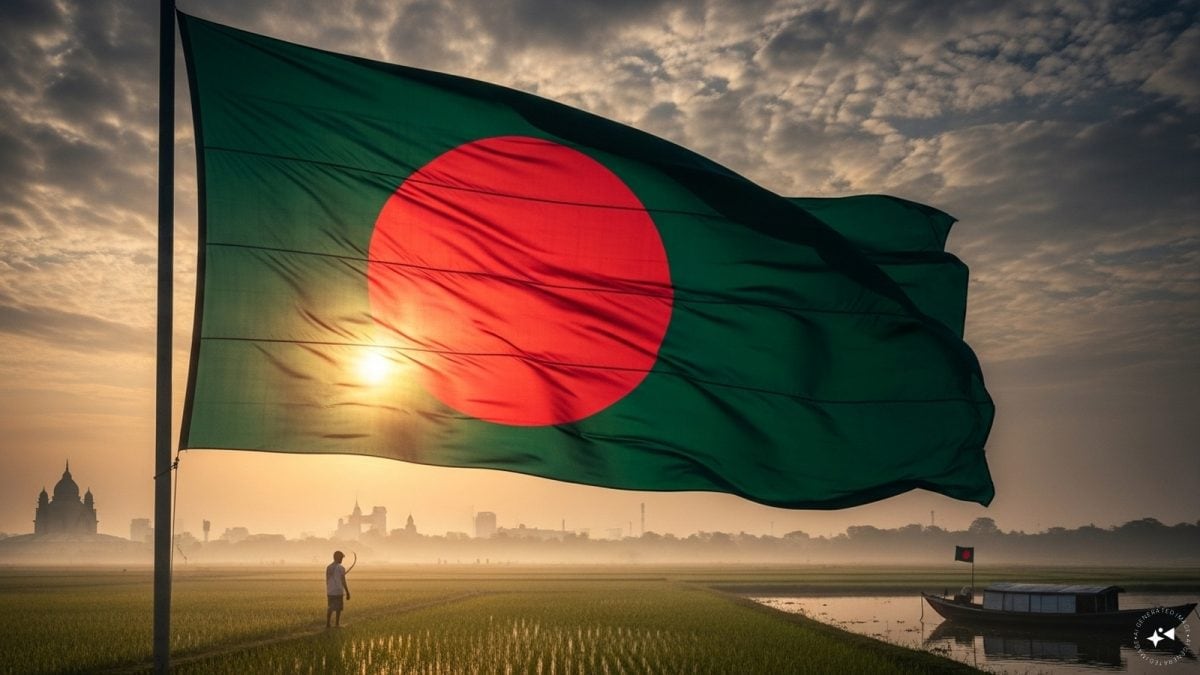
Bangladesh is experiencing a decline in its democratic practices.
This includes less freedom and discrimination against minority groups.
India, due to its close ties, is urged to help.
India is encouraged to protect minority rights, ensure fair legal processes, and support freedom of the press.
This helps the region by stopping instability from spreading and supports India's role as a democratic leader.
The author argues for India to take a strong stand using diplomacy and partnerships to encourage democracy in the area.

Bangladesh faces authoritarian drift with curtailed civil liberties and democratic erosion.
Minority communities in Bangladesh, especially Hindus, Christians, and Buddhists, face increased marginalization.
India shares a long border with Bangladesh and has historical ties, including its role in the 1971 Liberation War.
India has a strategic and moral responsibility to uphold minority rights and democratic accountability in Bangladesh.
The article advocates for a proactive rights-based regional doctrine led by India.
- Who
- India, Bangladesh's government, and minority groups.
- What
- India's role in promoting democracy and minority rights in Bangladesh.
- When
- Current
- Where
- Bangladesh and South Asia.
- Why
- To maintain regional stability, uphold democratic values, and protect human rights.
Pro-Intervention
N/A
Intervention
Pro-Intervention
India must act to safeguard its strategic interests and moral obligations.
N/A
N/A
Doctrine
Pro-Intervention
Advocates for a rights-based regional doctrine emphasizing democratic values.
N/A
N/A
- India-Bangladesh Border
- 4,096 kilometers
- Groups affected in Bangladesh
- Hindus, Christians, Buddhists
- Areas of concern
- Voter suppression, judicial partisanship, and press freedom erosion
- India's historical connection
- 1971 Liberation War
- Author
- Director General of the Centre for Land Warfare Studies