Archive · 21 Jan 2026
China's One-Child Policy Questioned Amid Population Decline
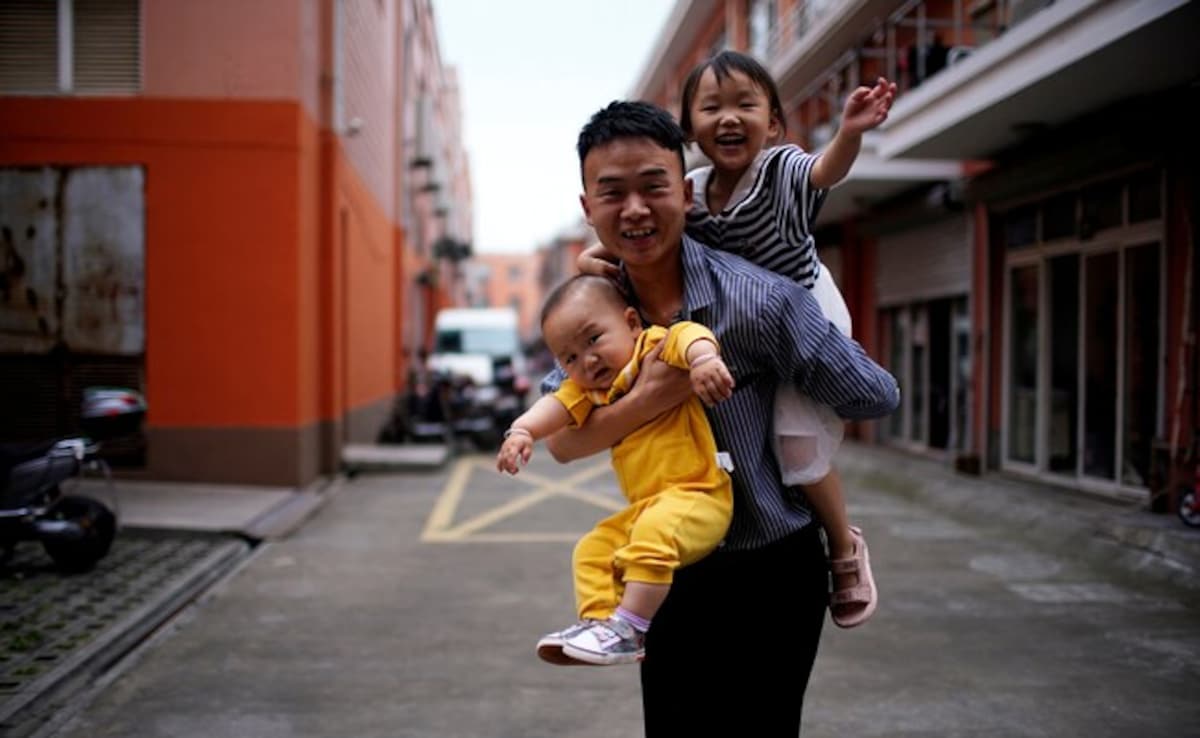
China had a one-child policy for a long time to control its population.
It caused many problems, like forcing women to have abortions and making people prefer boys over girls.
Now, the population is shrinking, and there are not enough young people to support the older ones.
Experts are questioning if the policy was really necessary because the birth rate is already very low.
The government is trying to encourage people to have more children, but it's not easy to change people's minds.

China's one-child policy, in place from 1980 to 2015, led to forced abortions, sterilizations, and a preference for male children.
The policy was implemented to control population growth and support economic development.
China's birth rate has fallen to record lows, and the population has been declining for four years.
Experts question whether the harsh measures of the one-child policy were necessary, as birth rates were already decreasing.
The government has relaxed the policy, allowing up to three children per couple, but faces challenges in reversing the demographic trends.
- Who
- China's government and its citizens
- What
- The implementation and consequences of the one-child policy
- When
- Policy started in 1980, ended in 2015, current issues ongoing
- Where
- China
- Why
- To control population growth and economic development, but now facing demographic challenges
- Policy Duration
- 35 years
- Policy Start Year
- 1980
- Policy End Year
- 2015
- Current Birth Rate
- Record lows in 2023
- Population Trend
- Declining for four years
- Gender Imbalance
- Preference for sons
- Current Child Limit
- Three children per couple