1 hr ago
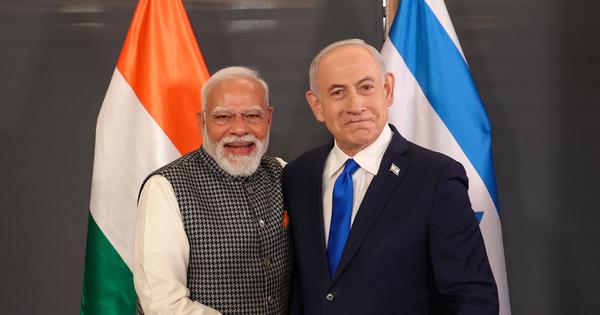
How Netanyahu and Modi Turn Security Failures Into Political Weapons
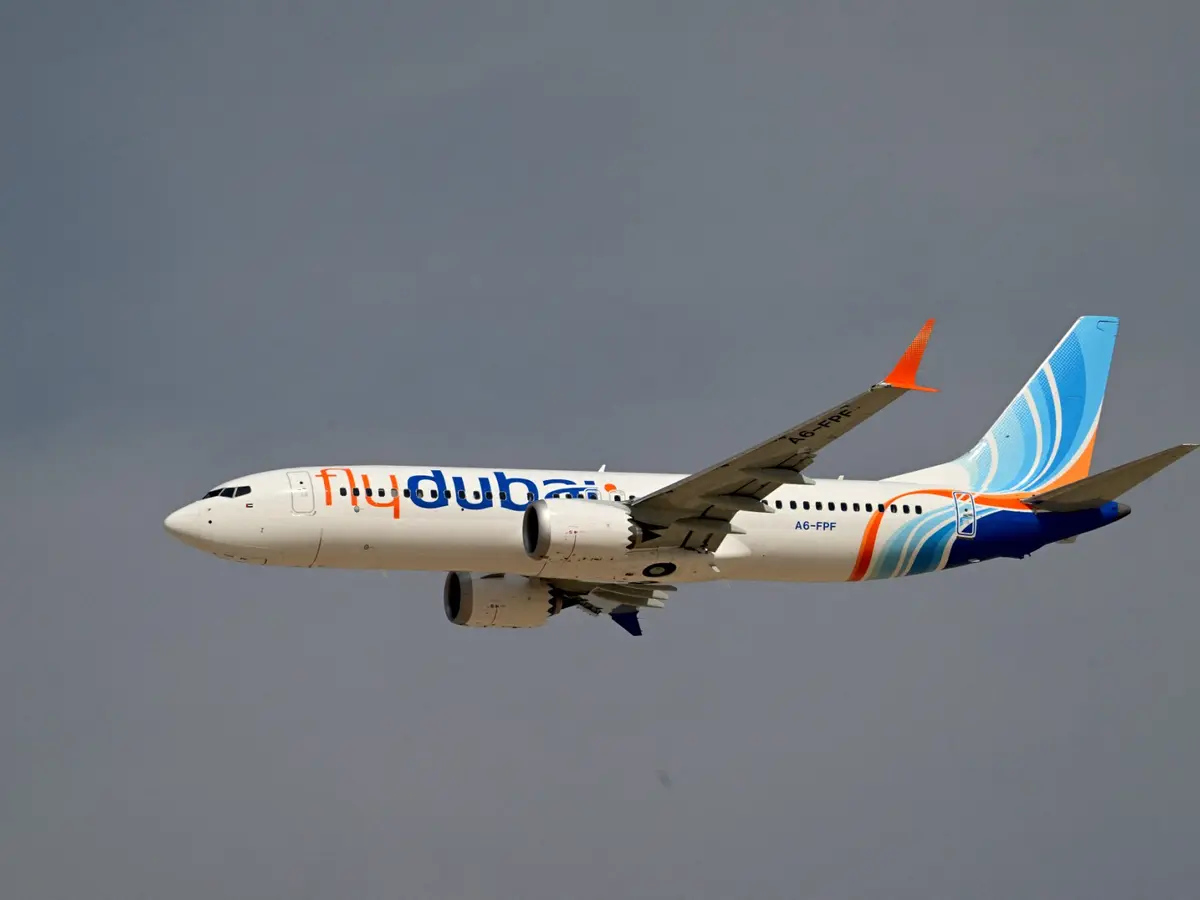
A passenger plane came close to disaster after its copilot allegedly attacked the captain.
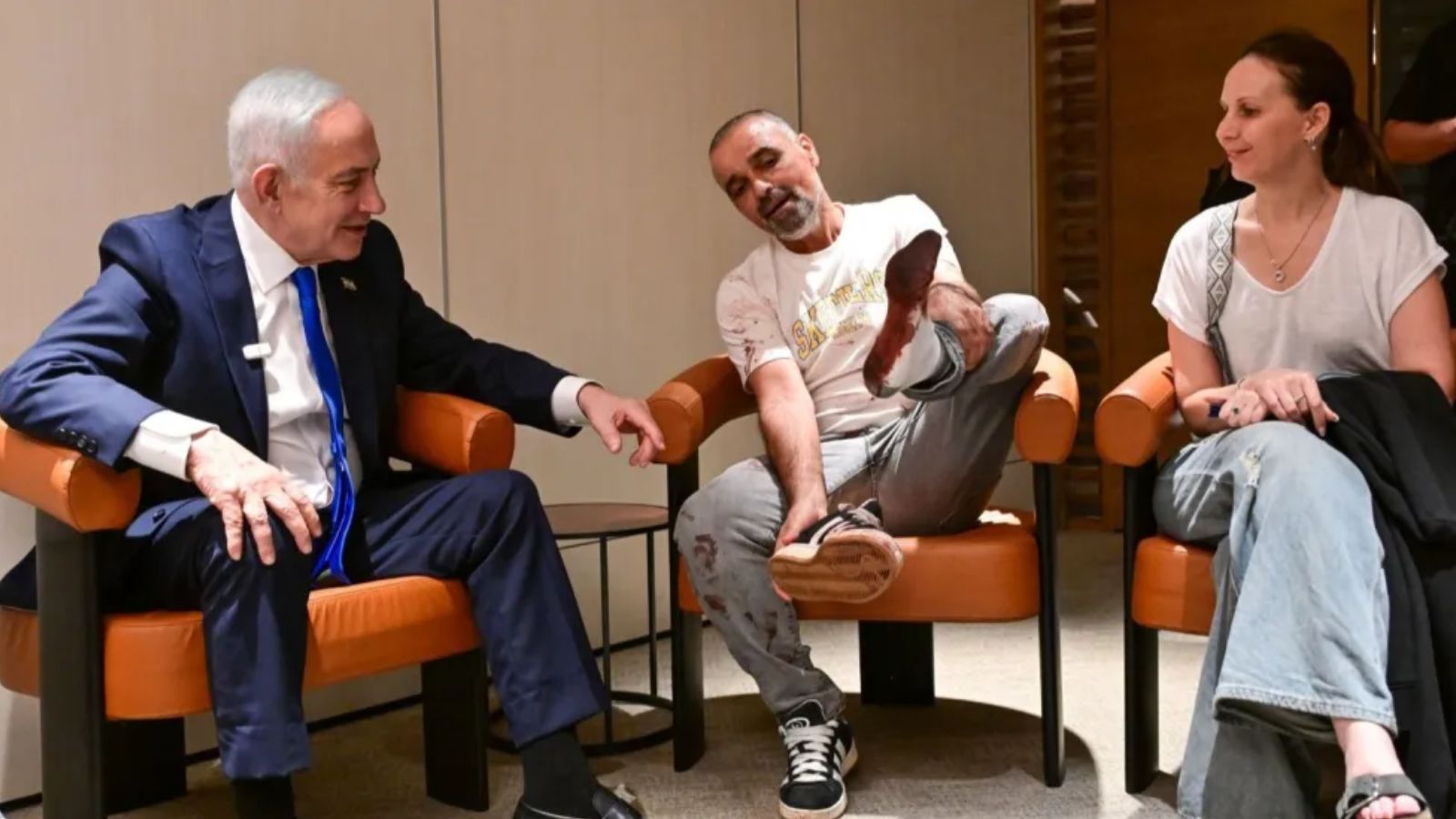
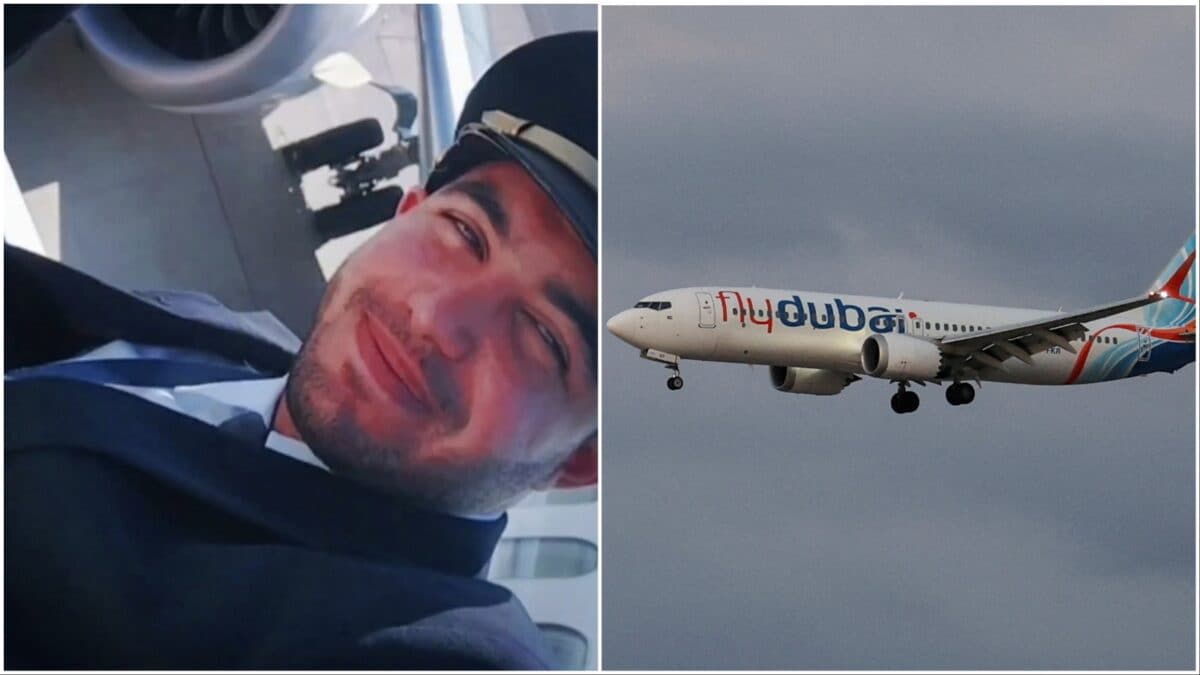
The injured captain, passengers and reserve pilots helped stop the danger, and the plane landed safely in Saudi Arabia.
The article says investigators should examine how the airline hired the copilot and how Israel checked the airline’s security.
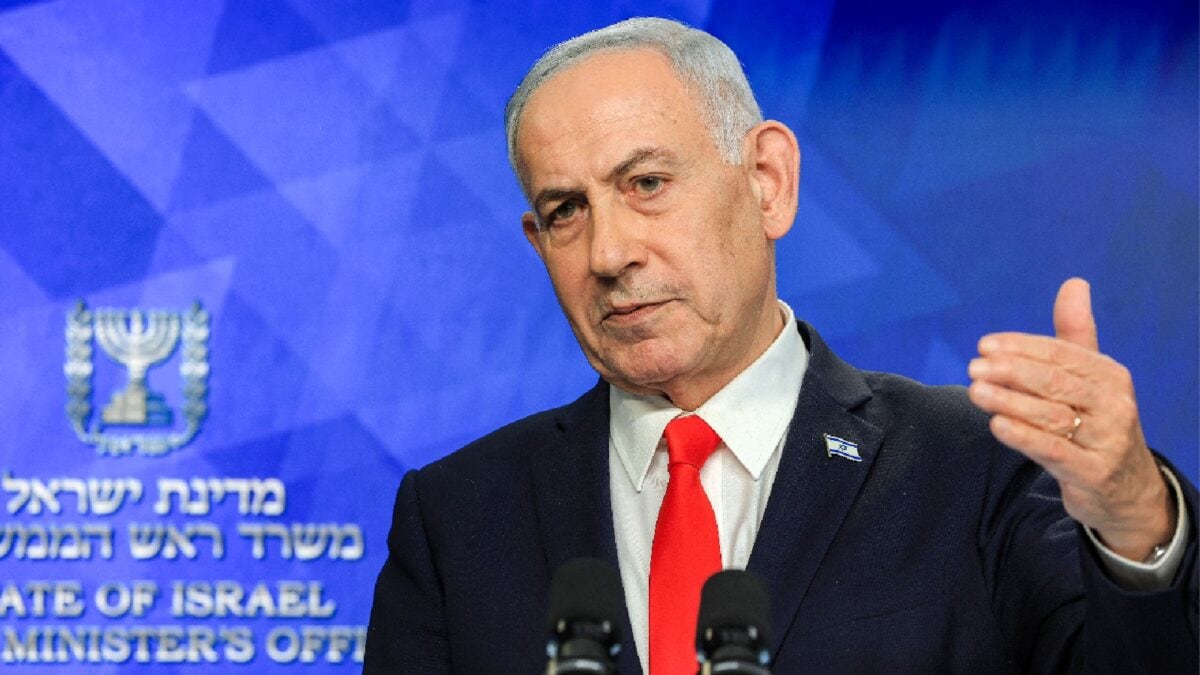
It criticizes Benjamin Netanyahu for announcing a review that the author believes may not be independent.
The writer compares his response with Narendra Modi’s responses to attacks in India.
The article says both leaders have emphasized enemies and military responses instead of fully answering questions about how people were left unprotected.
It also warns that blaming whole religious or national groups can make people more divided.
The author says survivors deserve a thorough investigation and that leaders should be held responsible for security failures.

An attack aboard Flydubai Flight FZ1073 was stopped after the injured captain, passengers and reserve pilots helped avert disaster.
The article says the incident raises questions about airline vetting and Israel’s oversight of foreign carriers, despite earlier warnings about security deficiencies.
It argues Netanyahu’s proposed review needs independence, and says his allies have presented his warning about possible attacks as evidence of foresight.
The author compares Netanyahu’s response to Modi’s handling of the Pulwama and Pahalgam attacks, saying military action and nationalist messaging displaced scrutiny of security failures.
The article argues both leaders redirect public anger toward external enemies and vulnerable minorities, and calls for independent investigations and accountability.
- Who
- Passengers and crew aboard Flydubai Flight FZ1073; Israeli Prime Minister Benjamin Netanyahu; Indian Prime Minister Narendra Modi.
- What
- An alleged attack by the copilot nearly caused a disaster; the article uses the incident to criticize government accountability and compare political responses to security failures.
- Where
- The flight departed Dubai for Tel Aviv and landed in Tabuk, Saudi Arabia.
- When
- The flight incident occurred on September 30; the article also discusses the 2019 Pulwama bombing, the April 2025 Pahalgam attack and the October 7 attack in Israel.
- Why
- The author argues that political leaders use external threats and military responses to redirect anger from failures to protect citizens.
Accountability and independent scrutiny
Leaders’ security-focused defense
Response to the flight incident
Accountability and independent scrutiny
The author says the incident demands independent scrutiny of airline vetting and Israel’s oversight, and that a review involving questioned institutions needs safeguards.
Leaders’ security-focused defense
Netanyahu ordered a review through Israel’s National Security Council; his allies, according to the article, point to his warning about possible attacks as evidence of foresight.
Political meaning of military responses
Accountability and independent scrutiny
The author argues that responses such as airstrikes can shift attention away from intelligence and protection failures and fuel political polarization.
Leaders’ security-focused defense
The article describes leaders presenting forceful action and opposition to terrorism as measures to confront threats and protect citizens.
Key facts
- Flight
- Flydubai Flight FZ1073, traveling from Dubai to Tel Aviv
- Incident date
- September 30; the article does not specify a year
- Landing
- The aircraft landed safely in Tabuk, Saudi Arabia
- Captain
- Indian captain Smit Machchhar was injured during the alleged attack
- Copilot
- Omani copilot Hamam al-Hammami was alleged to have attacked the captain with a crash axe
- Earlier warning
- A 2024 state comptroller report had identified deficiencies in Israel’s arrangements for supervising foreign airlines
- Author
- Ashok Swain, a professor of peace and conflict research at Uppsala University
Sources
Related news
Netanyahu Orders Review of Foreign Flights After Flydubai Attack
Netanyahu Warns Heavy Price Over Flydubai Cockpit Attack

Flydubai Attack Raises Questions About Security Warning-Sharing
Flydubai Attack Raises Questions Over Israeli Pilot Vetting

Netanyahu Says Flydubai Co-Pilot Underwent Islamist Radical Indoctrination
Flydubai Cockpit Attack Raises Questions About Cross-Border Pilot Vetting

India Proposes Three-Part Russia-Ukraine Truce on Energy, Black Sea

Sikkim CM Hails Modi’s 25 Years in Public Service

Naidu Says Modi’s 25-Year Leadership Reflects India’s Transformation

Modi Marks 25 Years Leading Government With Temple Prayers