

Archive · 11 Jun 2025
Sodium-Ion Batteries, Starlink Approval, and a Lunar Mission Failure
Scientists are working on new batteries that use sodium instead of lithium, which is common now.
Sodium batteries are easier to get, better for the environment, and safer.
One new sodium battery can charge very quickly and last a long time.
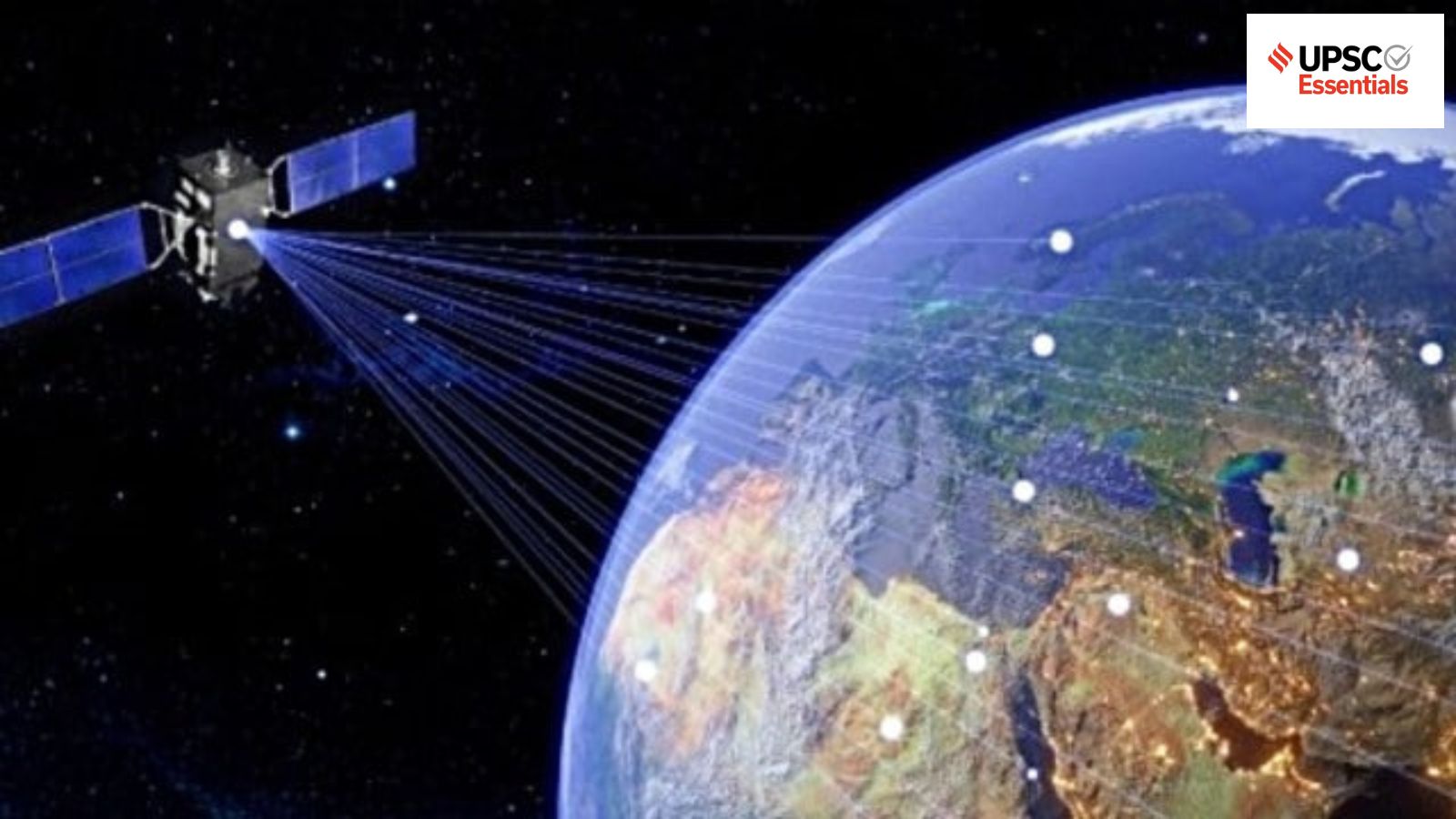
Also, a company called Starlink can now offer internet from satellites in space.
However, a Japanese mission to land on the Moon did not succeed, and crashed on the lunar surface.

Sodium-ion batteries are being developed as an alternative to lithium-ion batteries.
Sodium-ion batteries are more abundant, environmentally friendly, and safer to transport.
A new sodium-ion battery charges to 80% in six minutes and can survive over 3,000 charge cycles.
Starlink has received regulatory permission to offer satellite internet services in the country.
A Japanese space mission, Hakuto-R, designed to land on the Moon, failed.
- Who
- Scientists at JNCASR, Starlink, and the Japanese corporation ispace.
- What
- The articles discuss advancements in sodium-ion batteries, satellite internet services, and a failed lunar mission.
- When
- Recent
- Where
- Bengaluru, India; Switzerland-French border; Moon
- Why
- To develop alternative, safer, and more accessible battery technologies and to provide satellite-based internet services.
Advantages of Sodium-Ion Batteries
Starlink and Space Missions
Material Properties
Advantages of Sodium-Ion Batteries
Sodium is more abundant, more environmentally friendly, and safer than lithium.
Starlink and Space Missions
No opposing view presented in the articles.
- Battery Tech
- Sodium-ion batteries
- Charging Time
- Sodium-ion batteries: 80% in 6 minutes
- Charge Cycles
- Sodium-ion batteries: over 3,000
- Satellite Service
- Starlink
- Mission
- Hakuto-R
- Mission Leader
- ispace
- Location of mission
- Moon