

Archive · 4 Jan 2026
India's Mental Health Crisis: 80-85% Patients Untreated
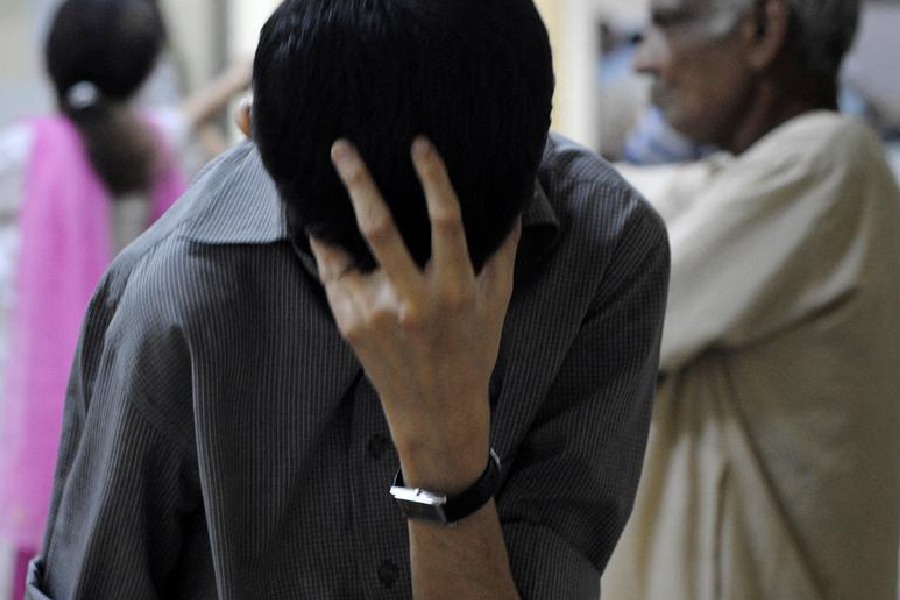
India is facing a big problem with mental health.
A lot of people who have mental illnesses, about 80-85%, are not getting the help they need.
This is because many people are afraid to talk about it, don't know they have a problem, or can't find a doctor.
Experts say this is a very serious issue that affects not just the people who are sick, but also their families and the whole country.
They are meeting in Delhi to talk about how to fix this problem.
They want to make sure everyone can get the help they need without being afraid or ashamed.

80-85% of individuals with mental illness in India do not receive treatment, according to the Indian Psychiatric Society (IPS).
The 77th Annual National Conference of the Indian Psychiatric Society (ANCIPS 2026) will be held from January 28 to 31 in Delhi to address this issue.
Stigma, lack of awareness, and inadequate mental health infrastructure are major barriers to treatment.
Delayed treatment leads to more severe illness, greater disability, and increased risk of suicide.
Experts emphasize the need for integrating mental health services into primary healthcare and increasing awareness to reduce the treatment gap.
- Who
- Indian Psychiatric Society (IPS) and mental health experts
- What
- India's mental health treatment gap, with 80-85% of patients not receiving treatment
- When
- Highlighted during the curtain-raiser event of ANCIPS 2026, scheduled for January 28-31, 2026
- Where
- Yashobhoomi, Delhi
- Why
- Due to stigma, lack of awareness, inadequate mental health infrastructure, and shortage of professionals
- Treatment Gap
- 80-85% of individuals with mental illness in India do not receive treatment
- Global Comparison
- Over 70% of people with mental illness globally do not receive care
- Low-Income Countries
- Fewer than 10% of those in need access treatment
- Conference
- 77th Annual National Conference of the Indian Psychiatric Society (ANCIPS 2026) scheduled for January 28-31, 2026
- Vulnerable Groups
- 80% of children and 84% of older adults with mental disorders remain untreated
- Consequences
- Delayed treatment leads to greater disability, family distress, and increased risk of suicide
- Solutions
- Integration of mental health services into primary healthcare, increased budgetary allocation, and nationwide awareness campaigns