

Archive · 6 Oct 2026
Sunil Lahri Urges 15-20% Cuts Amid Drought and Water Concerns
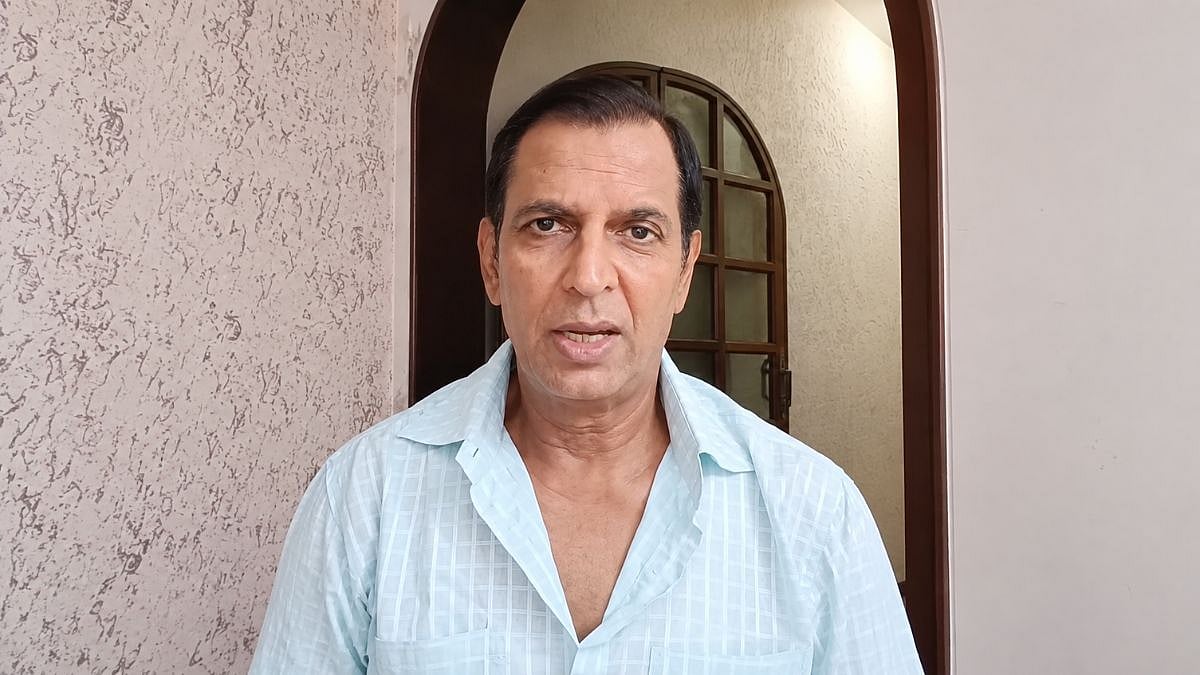
Sunil Lahri is worried that changing weather could make droughts and water shortages worse.
He said this might also harm crops and make some important goods harder to get.
He asked people to use less food, oil, petrol and diesel—about 15 to 20 percent less.
He said people should be careful, not scared.
He compared facing this possible problem with how people got through the COVID-19 pandemic.
The article reports that Maharashtra had less rain than usual and that many districts had deficient rainfall.
Lahri hopes that saving resources now can help people cope.

Actor Sunil Lahri warned that changing weather patterns and El Niño could worsen drought and water shortages.
He said drought could damage crops and affect supplies of fertilisers and other essential goods.
Lahri urged people to reduce consumption of food, oil, petrol and diesel by 15-20%.
He described his comments as a warning to be careful, rather than a reason to panic.
The article says Maharashtra recorded about 19% less rainfall than its seasonal average from June to September, with 21 districts reporting deficient rainfall.
- Who
- Actor Sunil Lahri urged people to conserve resources.
- What
- He warned about possible drought, water shortages and damage to crops, and called for 15-20% reductions in consumption.
- When
- The article does not specify when Lahri posted his video message.
- Where
- Lahri shared his message on social media; the article cites drought conditions in Maharashtra.
- Why
- He said changing weather patterns and El Niño could affect water, agriculture and essential commodities.
- Person
- Sunil Lahri, known for playing Lakshman in Ramayan
- Suggested reduction
- 15-20% in consumption
- Examples mentioned
- Food, oil, petrol and diesel
- Rainfall shortfall
- About 19% below the seasonal average in Maharashtra between June and September
- Districts affected
- 21 Maharashtra districts were reported to have deficient rainfall
- Potential effects cited
- Water shortages, crop damage and concerns about fertilisers and other essential commodities