

Archive · 7 Sep 2026
Iran’s Hormuz Leverage Wanes as U.S. Economic Pressure Intensifies
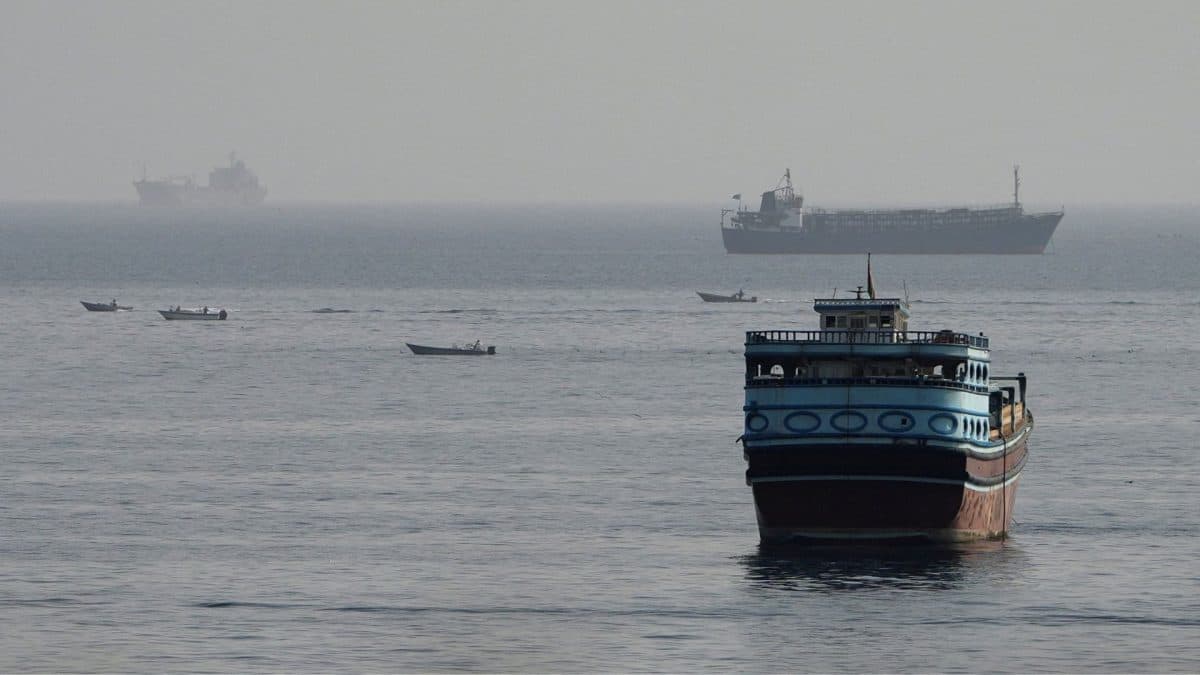
The United States is trying to pressure Iran by limiting its oil sales, money and trade.
It is also using a naval blockade.
Iran has disrupted some shipping near the Strait of Hormuz, an important route for energy supplies.
But Iran has not completely closed the strait.
Other countries and energy markets have found ways to keep supplies moving.
This means Iran has not caused the huge worldwide economic shock it expected.
Inside Iran, prices are rising and shortages of fuel and wheat are a concern.
Some experts think this pain could lead Iran to compromise.
Other experts think Iran’s leaders may tolerate the hardship and keep resisting.

A U.S. naval blockade and tougher sanctions are restricting Iran’s oil revenues, foreign-currency access, imports and international financing.
Iran has disrupted shipping through the Strait of Hormuz but has not fully closed the waterway or caused the global economic shock it anticipated.
Energy markets and alternative supplies have limited the wider impact, although renewed attacks near Hormuz pushed oil prices higher.
Iranian officials and sources report rising prices, weaker trade, household-income pressure and growing concerns about fuel and wheat shortages.
Analysts disagree over whether economic pressure will force concessions or whether Iran’s Revolutionary Guards and hardliners can endure and continue resisting.
- Who
- The United States, Iran, Iranian officials, regional sources, analysts and mediators are involved.
- What
- The United States is applying sanctions and a naval blockade while Iran uses disruption of shipping through the Strait of Hormuz as economic and geopolitical leverage.
- When
- The Reuters report was dated September 6 and described developments six months after a conflict that affected the Gulf and energy markets.
- Where
- The dispute centers on Iran, the Strait of Hormuz and the wider Gulf region.
- Why
- Washington seeks to pressure Tehran into allowing freer passage through Hormuz, while Iran seeks sanctions relief, access to frozen assets and recognition of its security role in the waterway.
Economic Pressure Could Force Concessions
Iran Can Endure and Resist
Effectiveness of the economic squeeze
Economic Pressure Could Force Concessions
U.S., Israeli and regional officials argue that reduced oil revenues, restricted imports and financial isolation could trigger unrest, leadership divisions and weaker control.
Iran Can Endure and Resist
Skeptics argue that decades of unsuccessful efforts to destabilize Iran show that economic and military pressure alone may not produce a political rupture.
Iran’s Hormuz leverage
Economic Pressure Could Force Concessions
Analysts say Iran’s leverage has weakened because it has not been able to fully close the strait or create the global economic shock it expected.
Iran Can Endure and Resist
Other analysts say Iran is deliberately calibrating its actions, preserving the threat of escalation and using possible further disruption as leverage.
Prospects for compromise
Economic Pressure Could Force Concessions
A deal ending transit-toll demands and reopening the waterway could let both Washington and Tehran claim a political success.
Iran Can Endure and Resist
Iran’s Revolutionary Guards and hardliners may believe the country can absorb the economic pain, retain patriotic support and eventually secure its demands without conceding.
- Strategic waterway
- The Strait of Hormuz normally carries about one-fifth of global oil and liquefied natural gas supplies.
- U.S. strategy
- The campaign combines a naval blockade with tougher sanctions, described by Treasury Secretary Scott Bessent as the toughest sanctions in history.
- Economic impact
- The measures have restricted Iran’s oil exports, foreign-currency access, imports and access to international financing.
- Domestic strain
- Iran faces rising prices, weaker trade, pressure on household incomes and concerns about shortages of fuel and wheat.
- Shipping disruption
- Traffic through Hormuz has fallen sharply, but Iran has not completely halted energy flows through the waterway.
- Oil prices
- After renewed attacks involving U.S. and Iranian forces and shipping near Hormuz, Brent crude was reported at $97.48 a barrel and West Texas Intermediate at $92.62.
- Possible compromise
- One proposal would have Iran drop demands for transit tolls while retaining fees for legitimate navigation, security or environmental services.
