

Archive · 2 Jan 2026
Uttar Pradesh Initiatives Drive Development and Transparency

In Uttar Pradesh, over 26,000 women are helping farmers use better and more sustainable ways to grow crops.
These women, called Agricultural Livelihood Facilitators, work in many villages and teach farmers how to test soil, make natural fertilizers, and choose better seeds.
They also help farmers with other ways to make money, like raising animals.
The government of Uttar Pradesh wants farming to be more profitable and put women at the center of this change.
The women facilitators also tell farmers about government programs that can help them.
This is making farming better and helping women become more independent.
Additionally, the government is working to spend the budget money faster so that projects can be completed on time.
They are also making sure that poor families get the help they need through the Zero Poverty Mission.
To make sure food reaches the right people, the government is using GPS tracking in trucks that carry food.
This helps stop food from being stolen or sold illegally.

Over 26,000 Women Agricultural Livelihood Facilitators are promoting modern and sustainable farming practices across Uttar Pradesh.
CM Yogi Adityanath reviewed budget expenditure and directed departments to accelerate spending to complete projects on time.
The Zero Poverty Mission focuses on measurable outcomes, ensuring eligible families receive essential amenities and welfare benefits.
GPS-enabled vehicles are used for transparent foodgrain distribution, reducing theft and black marketing.
The government is implementing the Single Stage Door Step Delivery system for direct foodgrain transport from depots to Fair Price Shops.
- Who
- Women Agricultural Livelihood Facilitators, Uttar Pradesh Government, Chief Minister Yogi Adityanath
- What
- Promotion of sustainable farming, budget expenditure acceleration, Zero Poverty Mission, GPS-enabled foodgrain tracking
- When
- Ongoing, with recent updates as of January 1, 2026
- Where
- Across 75 districts and 826 development blocks in Uttar Pradesh
- Why
- To drive agricultural reform, ensure timely budget utilization, eradicate poverty, enhance transparency in foodgrain distribution
Government Efficiency
Implementation Challenges
Budget Expenditure
Government Efficiency
The government is accelerating budget expenditure to ensure timely completion of projects and schemes, benefiting the people of Uttar Pradesh.
Implementation Challenges
Some departments have slow budget utilization, requiring monthly coordination meetings and stricter accountability measures to speed up progress.
Zero Poverty Mission
Government Efficiency
The mission is a results-driven model focusing on measurable outcomes, ensuring eligible families receive essential amenities and welfare benefits.
Implementation Challenges
The mission faces challenges in achieving 100% coverage under all welfare schemes, with varying percentages of beneficiaries currently included.
- Number of Facilitators
- 26,373
- Districts Covered
- 75
- Development Blocks
- 826
- Key Practices Promoted
- Soil testing, organic fertilizers, natural pest management, improved seed selection
- Allied Livelihoods
- Animal husbandry, poultry farming, goat rearing
- Government Schemes
- Linked through Agricultural Livelihood Facilitators
- Awareness Campaigns
- Promoting natural farming practices
- Budget Expenditure Review
- Reviewed by CM Yogi Adityanath for 20 major departments
- Zero Poverty Mission Phases
- Two phases: first phase completed, second phase ongoing until January 15, 2026
- GPS-Enabled Vehicles
- 5,000+ vehicles for foodgrain tracking
- Foodgrain Allocation
- 8.03 lakh metric tonnes allocated in 2025–26
Sources
Uttar Pradesh Leads Women-Led Farming Revolution As Over 26,000 Rural Facilitators Drive Modern, Sustainable Agriculture
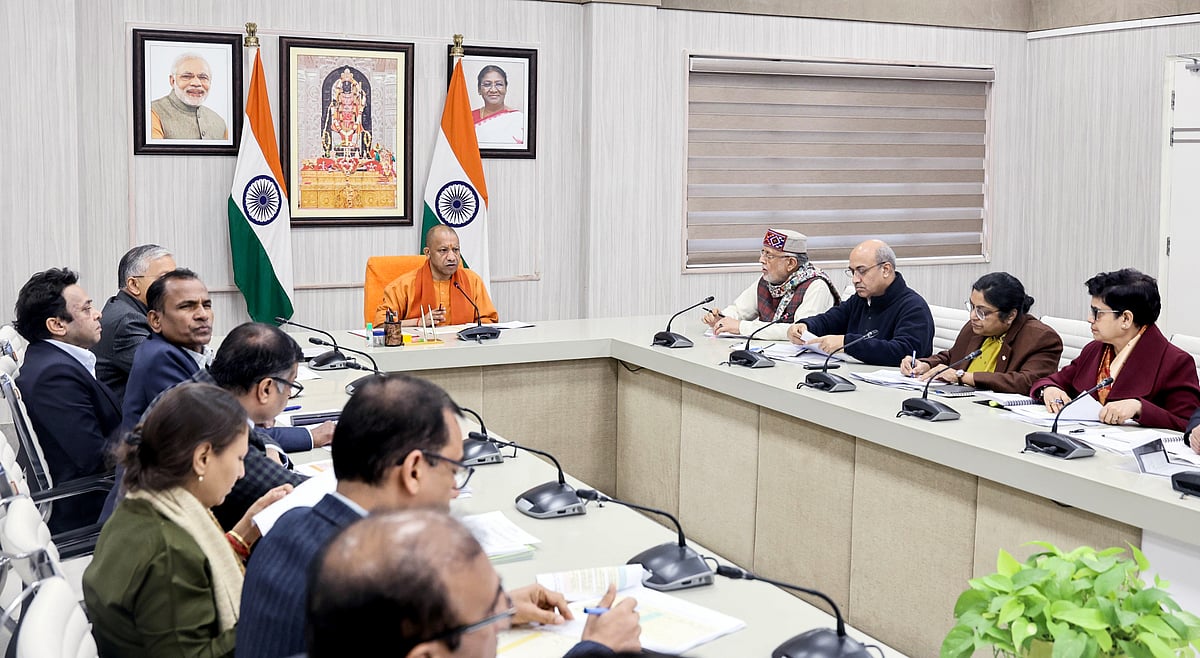
UP’s Zero Poverty Mission Shifts Focus From Policy To Measurable Impact

GPS-Enabled Vehicles Enhance Transparency In Foodgrain Lifting In Uttar Pradesh

UP CM Yogi Adityanath Directs Departments To Accelerate Budget Expenditure After Finance Review
