

Archive · 11 Dec 2025
14th Century Odia-Telugu Inscription Found in Srikakulam Temple
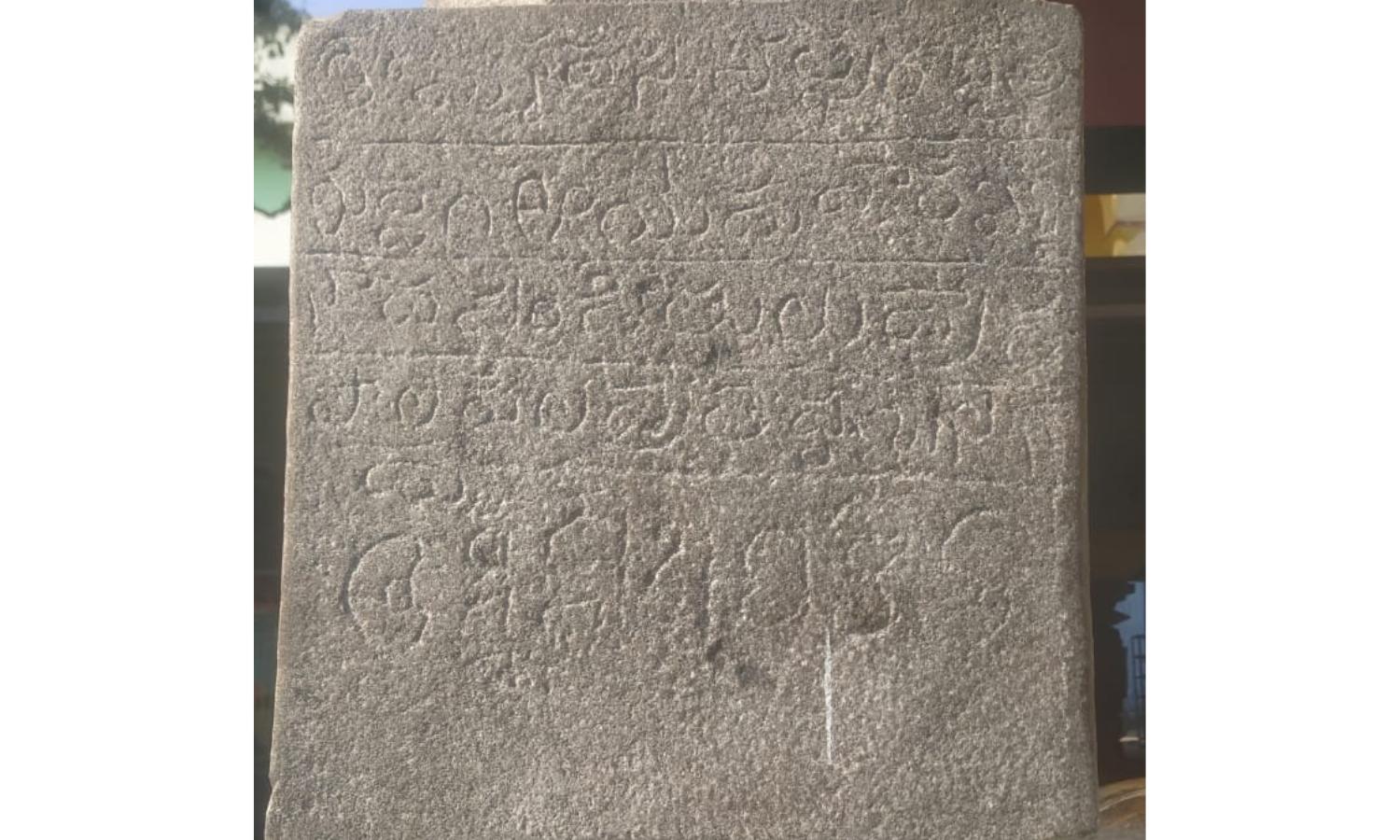
A very old writing, called an inscription, was found in a temple in Srikakulam.
It is special because it is written in two languages from long ago: Odia and Telugu.
The writing is from the 14th century and was made by a man named Biswanatha Pandita.
He was a Brahmin from a place called Palakunda.
The writing talks about the history and culture of the area.
It shows that the Kalinga region, which is now part of Odisha, had a big influence on the Srikakulam area in the past.
This is not the first time important historical things have been found in this temple.
Another important writing was found here before, which talked about the old name of Srikakulam.
This new finding will help historians and archaeologists learn more about the history of the region.

A rare 14th Century Odia-Telugu inscription was discovered in the Uma Lakhyeswara Swamy Temple in Srikakulam.
The inscription was issued by Biswanatha Pandita, a Brahmin from Palakunda, on a Friday in the Manmatha-nāma Saṁvatsara.
The script combines features of 14th Century Odia and Telugu, showcasing cultural and linguistic interaction between ancient Kalinga and the Andhra region.
The inscription is believed to belong to the imperial Eastern Ganga period, aligning with similar findings in the nearby Srikurman Temple.
The discovery reinforces the historical connection between Odisha and northern Andhra Pradesh, providing insights into regional epigraphic traditions.
- Who
- Epigraphist Bishnu Mohan Adhikari
- What
- Discovered a rare 14th Century Odia-Telugu inscription
- When
- Chaitra Shukla Pratipada, Manmatha-nāma Saṁvatsara (Friday)
- Where
- Uma Lakhyeswara Swamy Temple, Gujaratipeta, Srikakulam
- Why
- To study the cultural and linguistic interaction between ancient Kalinga and the Andhra region
- Location
- Uma Lakhyeswara Swamy Temple, Gujaratipeta, Srikakulam
- Discoverer
- Bishnu Mohan Adhikari
- Date of Inscription
- Chaitra Shukla Pratipada, Manmatha-nāma Saṁvatsara (Friday)
- Script
- 14th Century Odia and Telugu
- Donor
- Biswanatha Pandita (Brahmin from Palakunda)
- Historical Period
- Imperial Eastern Ganga period
- Significance
- Bilingual inscription showing cultural and linguistic interaction between ancient Kalinga and Andhra region