

Archive · 12 Dec 2025
India Faces Growing Public Anger Amid Political Mandate
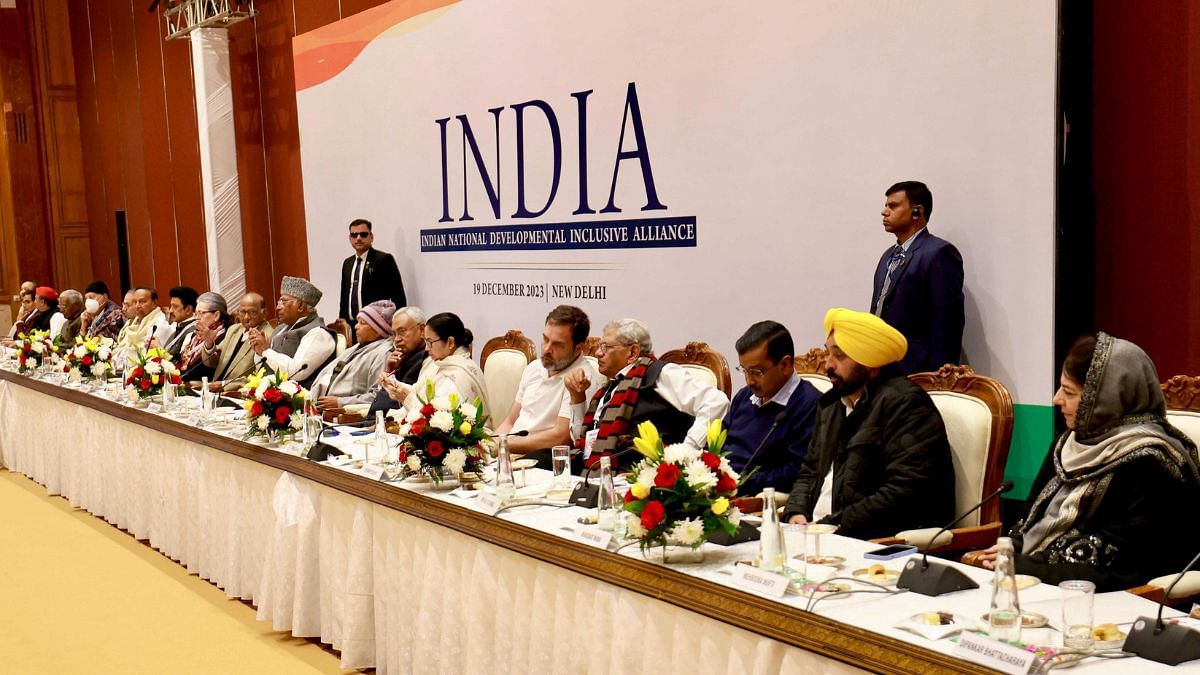
After the Bihar elections, many people are unhappy.
They are protesting because they are struggling with high prices, no jobs, and bad public services.
The government won the election, but many people feel like their lives are not getting better.
This reminds some people of a time long ago when there were big protests led by a man named JP.
Now, people are asking if this could happen again.
But unlike before, there isn't a strong leader to guide the protests.
The opposition parties are not working together well.
Some people think the opposition needs to come up with a better plan to help the people.
If they don't, the protests could get bigger and more chaotic.

The Bihar elections resulted in a massive mandate, but public anger is growing over economic and social issues.
Protests are happening across India due to inflation, unemployment, and collapsing public services.
The current situation is compared to the early 1970s JP Movement, but there is a lack of strong leadership.
The opposition parties are present but not effectively leading the protests or providing a cohesive strategy.
There is a need for a principled opposition strategy to address public grievances and rebuild trust in institutions.
- Who
- Indian citizens and political leaders
- What
- Growing public anger and protests despite a political mandate
- When
- Following the Bihar elections
- Where
- Across cities and towns in India
- Why
- Due to inflation, unemployment, collapsing public services, and a sense of betrayal
- Election Outcome
- Massive mandate in Bihar elections
- Public Sentiment
- Widespread anger over inflation, unemployment, and public services
- Historical Parallel
- Similar discontent as early 1970s JP Movement
- Opposition Leadership
- Lack of cohesive national leadership in opposition
- Potential for Change
- Need for a principled opposition strategy to address public grievances