

Archive · 1 Aug 2025
R N Ravi's Criticism of Linguistic States Explained
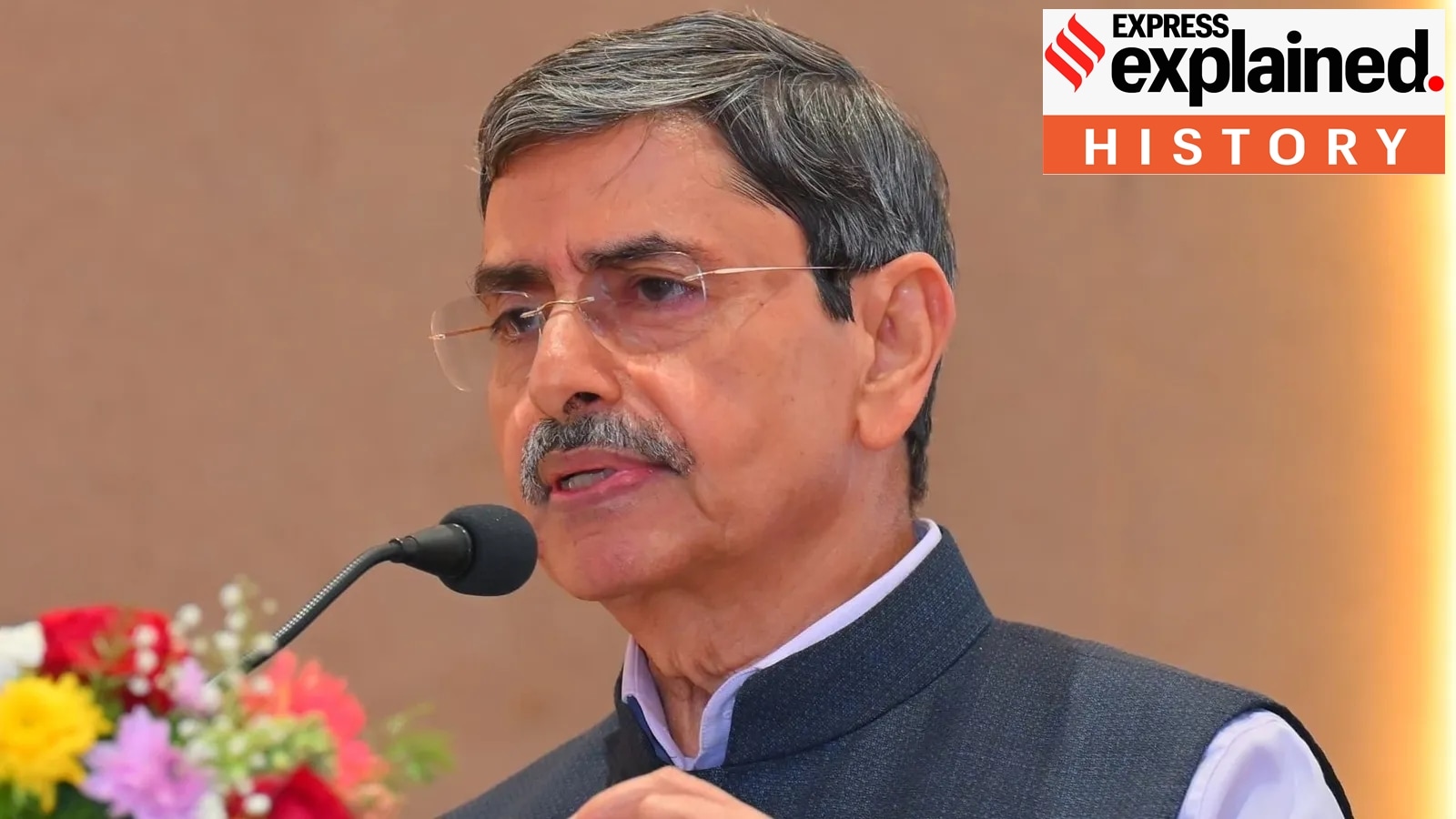
After India gained independence, states were reorganized based on language, which is now criticized by Governor R N Ravi.
Before, British rule created provinces and princely states.
The Indian constitution then created different categories of states.
Later, the SRC was formed to decide where state borders should be.
Though there was debate about the basis of states, they were eventually created largely based on language.
This system actually helped unite India instead of dividing it.
In comparison, countries that don't use multiple languages had more internal conflicts.

Tamil Nadu Governor R N Ravi criticized the linguistic division of states, claiming it created second-class citizens.
Historical context: India was divided into provinces and princely states under British rule.
Post-Independence, India was initially divided into four categories of states, including Part A, B, C, and D.
The States Reorganisation Commission (SRC) was established in 1953 to redraw state boundaries based on various factors.
Despite criticism, linguistic states have fostered unity and mitigated secessionist tendencies, contrasting with neighboring countries.
- Who
- R N Ravi, scholars, the States Reorganisation Commission (SRC), and Indian citizens.
- What
- Criticism of linguistic states and a history of state reorganization in India.
- When
- The debate occurred in recent times.
- Where
- India
- Why
- To understand the impact of linguistic states on India's unity and the criticisms of the same.
Criticism of Linguistic States
Historical Context
Impact on Indian Unity
Criticism of Linguistic States
Linguistic states created a divide and categorized people.
Historical Context
Linguistic states were essential to preserve unity.
- Critic
- R N Ravi
- Event
- Criticism of linguistic states
- SRC formation year
- 1953
- Key recommendation
- Redrawing of state boundaries
- Result
- 14 states and 6 UTs