

Archive · 20 Jul 2026
Climate Change Threatens Ladakh's Apricot Harvests
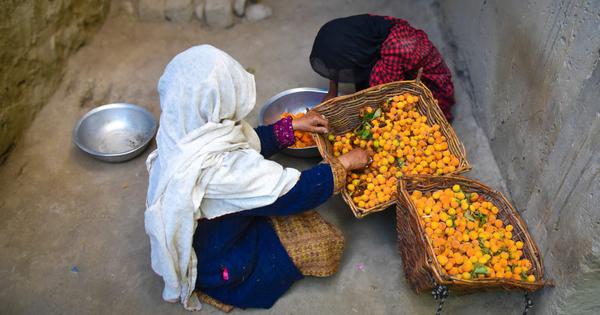
In Ladakh, apricots are a big part of life.
They are eaten fresh in summer and dried for winter.
Apricots are also sold for money.
But climate change is making the weather unpredictable.
Heavy rain and less snow are hurting the apricot trees.
Last year, a lot of rain ruined the flowers, and this year, it was too warm.
Farmers are worried.
They might need to change how they grow apricots to adapt to the new weather.
But they also want to keep their traditional ways.
It's a big challenge for them.

Ladakh is India's largest apricot producer, accounting for 62% of the country's total yield.
Climate change is causing irregular and increased rainfall, as well as decreased snowfall, threatening apricot production.
Heavy rainfall in August 2025 caused significant damage to apricot orchards and infrastructure.
Traditional farming practices are being disrupted by unpredictable weather patterns.
Farmers are considering adaptation measures like installing nets to protect orchards from heavy rainfall.
- Who
- Residents of Ladakh, particularly farmers and communities dependent on apricot cultivation
- What
- Climate change is affecting apricot production due to irregular rainfall and snowfall
- When
- The impact is observed during the summer months of July and August, and the spring blossom season
- Where
- Ladakh, India
- Why
- Climate change is causing unpredictable weather patterns, disrupting traditional farming practices and threatening the local economy and culture
Climate Change Adaptation
Traditional Farming Practices
Adaptation Measures
Climate Change Adaptation
Installing nets to protect orchards from heavy rainfall and snowfall.
Traditional Farming Practices
Relying on traditional farming methods that have sustained apricot cultivation for generations.
Climate Impact
Climate Change Adaptation
Climate change is causing unpredictable weather patterns, including heavy rainfall and warmer springs, which threaten apricot production.
Traditional Farming Practices
Traditional farming practices are deeply rooted in the local culture and have been effective in the past, but they are now being disrupted by climate change.
- Location
- Ladakh, India
- Apricot Production
- 62% of India's total apricot yield
- Climate Impact
- Increased rainfall and decreased snowfall
- Historical Rainfall
- August 2025 recorded nearly 930% more rainfall than normal
- Western Disturbances
- Changing weather systems causing erratic precipitation
- Adaptation Measures
- Installing nets to protect orchards
- Cultural Significance
- Apricots are central to Ladakh's culture, economy, and daily life