Archive · 5 Nov 2025
AI Companions: A Boon or a Curse for Loneliness Epidemic?
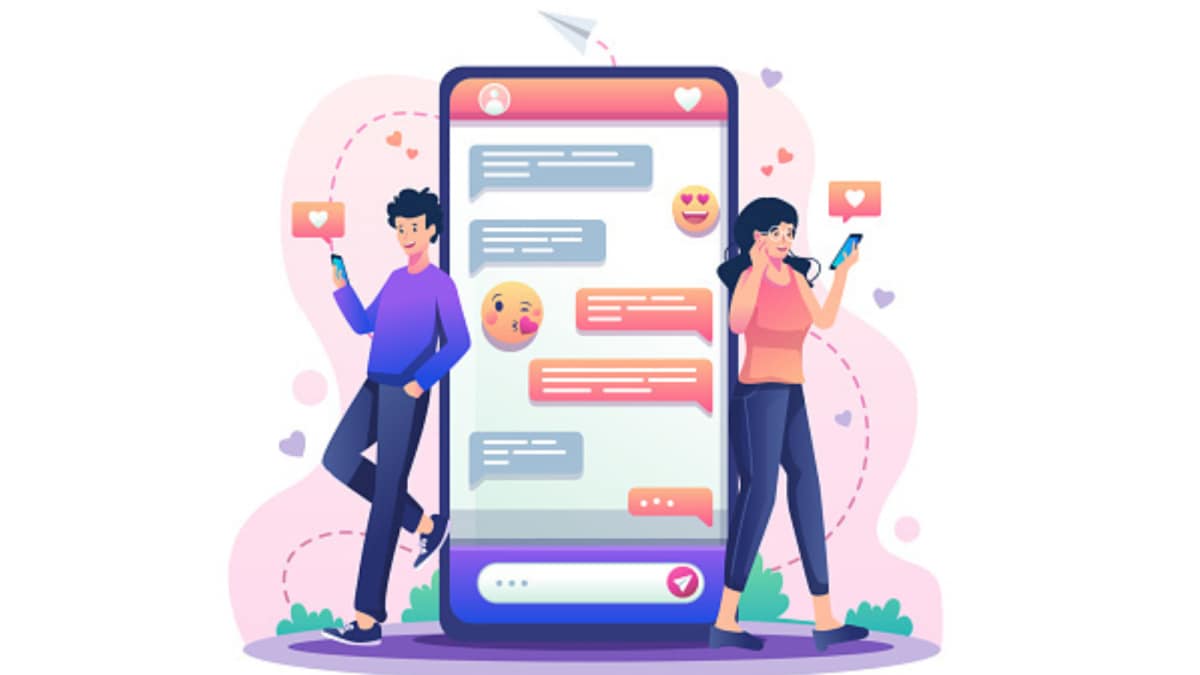
Imagine many people feel very lonely these days, like they don't have enough friends or people to talk to.
To help with this, companies are making special computer programs called 'companion AIs.'
These AIs are like chatbots, but they are designed to feel like a friend and pretend to be there for you emotionally.
Some people think these AIs are great because they can help shy or lonely people feel less alone and practice talking.
However, other people worry that talking to a perfect, always-available AI might make it hard to deal with real people, who aren't always perfect.
They also worry that if people rely too much on AI friends, they might not try as hard to make real friends, which is important for our happiness and health.
It's like having a pretend friend versus a real friend; real friends help us grow, even when it's a bit difficult.
Right now, we don't know for sure if these AI friends will help or hurt us in the long run, but experts say it's important not to let them replace human connection entirely.

Companion AI applications, designed to simulate social presence and meet emotional needs, are increasing alongside a global rise in loneliness.
While offering potential benefits for socially anxious or neurodivergent individuals, concerns exist about AI companions eroding human social skills and creating unrealistic expectations.
Loneliness can act as a motivator for seeking real human connections, a drive that might be diminished by over-reliance on AI for companionship.
Experts warn that excessive use of companion AI, especially by teenagers, could hinder psychological development and empathy.
Despite theoretical concerns, the long-term societal impact of companion AI on human relationships and loneliness remains largely unproven, necessitating caution.
- Who
- Individuals experiencing loneliness, AI developers, psychologists, AI ethicists, neurodivergent individuals, socially awkward people, teenagers, governments (Japan, UK)
- What
- The increasing prevalence and capabilities of companion AI applications and their potential impact on human relationships and the global loneliness epidemic.
- When
- Currently, with a noted spike in loneliness and AI companion availability in recent years.
- Where
- Worldwide, particularly within the tech market and online platforms, with government responses noted in Japan and the UK.
- Why
- To address the growing global loneliness epidemic and meet users' emotional and social needs, but concerns exist about potential negative impacts on human connection and development.
AI as a Solution
AI as a Detriment
Addressing Loneliness and Social Needs
AI as a Solution
Companion AI can provide a sense of social presence and company, potentially benefiting neurodivergent and socially awkward individuals by meeting their emotional and social needs.
AI as a Detriment
The constant availability and lack of demands from AI companions may lead users to expect unrealistic patience from humans, potentially eroding social skills and making deep human bonds more difficult.
The Role of Loneliness
AI as a Solution
Companion AI can help alleviate feelings of loneliness.
AI as a Detriment
Loneliness can serve as a crucial motivator for seeking social connections, forming friendships, and experiencing the happiness derived from human relationships. Over-reliance on AI might diminish this important human drive.
Impact on Development
AI as a Solution
AI companionship applications are becoming increasingly sophisticated and available.
AI as a Detriment
Addiction to companion AI, especially among teenagers, could disrupt psychological development and negatively impact their ability to empathize with others.
- Companion AI Apps
- 16 of the top 100 AI apps by web traffic and active users
- Loneliness Epidemic
- Classified as an epidemic with severe health risks (cardiovascular disease, dementia, premature death)
- Government Intervention
- Japan and UK have appointed ministers for loneliness
- Concerns Raised by Experts
- Erosion of social skills, unrealistic expectations of human interaction, reduced willingness to engage with others, potential harm to psychological development in young users
- Potential Benefits
- Assistance for neurodivergent and socially awkward individuals, meeting emotional and social needs
- Current Stage of Research
- Broader societal impacts remain largely theoretical; limited and mixed empirical research
- Cautionary Advice
- Avoid complete reliance on AI for companionship and emotional stimulation